Accommodation and Experiences in Riebeek-Kasteel, Western Cape
Riebeek-Kasteel sits in the heart of the Swartland, a small town that feels detached from the hustle of bigger cities yet is perfectly connected to everything a traveller might want. When planning a stay, consider both the town centre and the surrounding valley-front countryside. The town core offers homely guesthouses, boutique establishments and family-run B&Bs, while the neighbouring farms and olive groves provide tranquil country retreats. A two- to four-night stay often works well, allowing you to pace visits to local eateries, markets, and nearby wine farms without rushing.
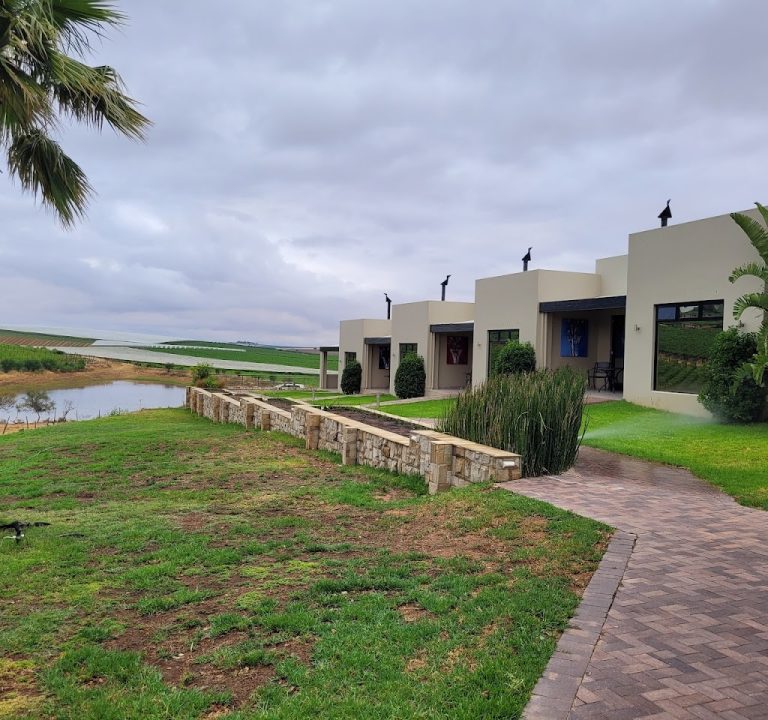
Areas to consider for your base include the historic centre, where most guesthouses cluster and where short strolls lead you to coffee shops, curio shops and informal eateries. If you prefer a more rural setting, look for stays perched higher up the slopes or tucked along the olive routes that thread through the valley. Many properties in these areas benefit from expansive views of vineyards, orchards and rolling hills, and some offer outdoor spaces ideal for evening sundowners or a quiet morning coffee with birdsong.
Booking considerations help set the tone for a relaxing visit. Look for properties with private entrances or dedicated guest sitting rooms if you value a little extra privacy. Ensuite bathrooms, reliable heating or cooling, and dependable Wi‑Fi are useful, especially if you plan to work remotely or simply want to stay connected. Aesthetics vary from rustic-chic to modern comfort, but clean, well‑maintained spaces and clear guest information (local maps, transit tips, and nearby attractions) are universal markers of a good stay. Where possible, check for off‑street parking or secure on-site parking, as roads can be narrow in the historic core.
Typical amenities you may encounter include generous breakfast options (from a full farm-to-table spread to a continental selection), self-catering facilities such as a kitchenette or guest lounge, seasonal outdoor pools, and guest-only terraces. Many properties embrace the agricultural character of the region with wine and olive oil tastings on site, or partnerships with nearby producers. If you’re travelling with children or pets, verify suitability and any policy restrictions in advance to avoid last‑minute changes to plans.
Transport is usually best by car in this part of the Western Cape, as distances between villages and attractions can be spread out. A vehicle gives you the flexibility to explore at your own pace—particularly to visit olive farms, small markets, and wine estates on quieter back roads. If you arrive by air, consider arranging a transfer from Cape Town or surrounding airports, or hire a car for the duration of your stay. Within Riebeek-Kasteel, most amenities are walkable from the town centre, but a short drive takes you to nearby viewpoints and countryside lanes worth exploring.
The best time to visit falls in two pleasing windows: late winter to spring (roughly August to November) when wildflowers begin to bloom and the weather becomes milder, and the warm, dry days of late summer to early autumn (February to April). Summer can be lively, with markets and outdoor spaces popular, while winter brings crisp air and cosy fireplaces in many guesthouses. Throughout the year, the area’s cool mornings and warm afternoons create a pleasant climate for outdoor activities such as gentle hikes, garden strolls, and vineyard visits.
Practical tips to help you plan your stay:
- Book early for weekends and holiday periods, as the town’s appeal means popular properties can fill up well in advance.
- Read guest reviews with a focus on cleanliness, quiet hours, and the welcome you receive from hosts or staff.
- Map out a loose itinerary that balances vineyard tastings, a visit to any local markets or craft shops, and downtime at your accommodation to soak in the views.
- Pack layers for variable weather and comfortable walking shoes for gentle town strolls and countryside paths.
- Consider a ‘local experience’ option offered by some stays, such as olive oil tastings, farm tours, or a curated route through nearby art and craft studios.
Attractions and activities in general terms include exploring the scenic Riebeek Valley, where olive groves and vineyards define the landscape, and where light meals and wine flights are accessible at several estates and informal eateries. The town hosts small markets and galleries that showcase local crafts and art. Visitors often enjoy short scenic drives to lookouts or to farms known for olives and wine, with many venues offering relaxed tastings, picturesque gardens, and seasonal produce. Dining within the town centre ranges from traditional homely fare to lighter modern dishes, with a focus on fresh, locally sourced ingredients. For a broader day out, consider a visit to nearby towns or coastal spots, which can be reached in a comfortable drive from Riebeek-Kasteel.
As for accommodation, Kasteelhof Drankwinkel is a recognised guest house option in the area, offering character-filled, comfortable rooms within easy reach of the town’s highlights. When selecting a place to stay, think about what kind of base will best suit your rhythm: a quiet countryside retreat for long, restorative mornings; a central, walkable guesthouse for easy access to cafés and markets; or a small boutique property with a focus on personalised local experiences. Regardless of choice, a well-planned stay in Riebeek-Kasteel offers a gentle pace, warm hospitality, and the chance to savour the Western Cape’s distinct rural charm. For more information on specific properties, facilities, and itineraries, consult individual lodging pages or trusted local tourism guides to tailor your visit to your interests.