Wasbank, KwaZulu-Natal: Accommodation, Attractions and Planning Your Stay
Wasbank sits in the heart of KwaZulu-Natal’s rural landscape, offering a tranquil base for travellers who want to explore the region while enjoying warm, hospitable lodging. The area suits visitors who value a relaxed pace, near-to-nature surroundings, and easy access to a mix of wildlife, countryside views and local colour. When planning a stay, consider what kind of experience you want—from lodge-style comfort to cosy B&B charm—and how you’ll get around to the surrounding attractions and villages.
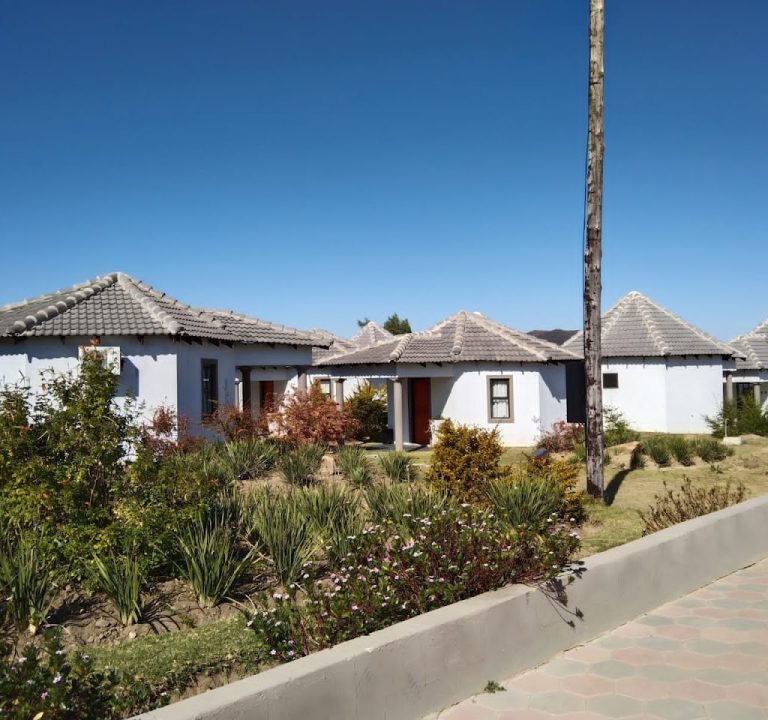
Accommodation options in and around Wasbank range from intimate guesthouses and B&Bs to more expansive lodges with wildlife-themed surroundings. A lodge in the vicinity, such as a Kameelkop Game Reserve-style property, can offer on-site wildlife experiences and guided nature activities, paired with comfortable rooms and dining spaces. For travellers seeking privacy and a home-from-home feel, self-catering cottages or small guesthouses can be ideal, letting you set your own pace for mornings and evenings in the countryside.
When choosing where to stay, think about location relative to key experiences. If your priority is wildlife and nature walks, look for lodges or guesthouses that provide easy access to game reserves or nature trails. If you prefer cultural interactions and local scenery, a property closer to Wasbank’s rural lanes and farm stalls may be more appealing. Always verify what amenities are included in your rate—air conditioning for hot KwaZulu-Natal summers, fans for milder evenings, reliable hot water, and adequate storage for outdoor gear are practical checks. Wi-Fi varies in rural areas, so plan accordingly if you need online access for work or streaming.
Typical amenities you might encounter include comfortable en-suite rooms, secure parking, on-site restaurant or dining options, and areas for outdoor seating or braais (barbecues). Some properties offer guided walks, birdwatching, or game drives, while others may provide generous common spaces, gardens, or plunge pools to unwind after a day of exploring. If you’re travelling with children, confirm family-friendly facilities and any age restrictions for activities. For sustainability-minded visitors, ask about water reuse, solar power, or organic meals to align with your values.
Transport in and around Wasbank is best with a car. The surrounding countryside is pleasant to explore by road, and push-button experiences or small-scale farm stops are easier to reach when you have your own wheels. If you’re arriving from larger towns such as Ladysmith or Estcourt, a short drive can connect you to Wasbank’s quieter hinterland and the gates to nearby reserves. Some lodges may offer transfers or guided tours, which can be convenient but may carry additional costs, so factor these into your planning.
The best time to visit Wasbank depends on what you want from your trip. The region experiences a temperate climate with warm summers and cooler winters. Winter months can be excellent for game viewing, as animals tend to gather around water sources and the vegetation is less dense, making sightings more straightforward. Summer brings lush scenery and vibrant birdlife, but occasional afternoon showers are common. Spring and autumn offer mild weather and comfortable conditions for walking and outdoor adventures. If you’re keen on birding, late spring and early summer often deliver a rich variety of species along rural tracks and reserve edges.
For a balanced itinerary, plan a mix of accommodation-based downtime and day trips to nearby attractions. Wasbank’s countryside is ideal for leisurely drives, short hikes, and photography along open plains and hedgerows. Nearby reserves or nature reserves can offer guided walks or self-guided trails, with opportunities to spot local fauna and flora. In terms of dining, many stays include on-site dining or recommendations for nearby eateries where you can sample regional flavours in a relaxed setting. While specific restaurant names and prices can vary, you’ll typically find eateries offering warmly cooked meals and local ingredients that reflect KwaZulu-Natal’s culinary influences.
Practical planning tips to get the most from your stay:
- Book with a clear sense of your priorities—wildlife, culture, or rural scenery—and confirm what is included in your rate (meals, guided activities, transfers).
- Check the accessibility of your chosen accommodation, especially if you have luggage, mobility needs, or specific room requirements.
- Pack versatile clothing for warm days and cooler evenings; layers work well for changing KwaZulu-Natal weather.
- Bring sturdy footwear for walks and light hikes, plus a hat and sunscreen for sun protection.
- Plan safe driving routes and consider a driver or transfers for longer day trips if you’re unfamiliar with rural roads.
- Respect local wildlife and habitats—stick to marked trails, observe from a distance, and follow lodge guidelines.
When you’re ready to explore beyond Wasbank, nearby towns and reserves offer a broader taste of KwaZulu-Natal’s landscapes and hospitality. For inspiration and practical planning, local tourism resources and official websites provide up-to-date information on accommodation options, road conditions, and seasonal considerations. A well-chosen stay in Wasbank can be the ideal launchpad for a relaxed, nature-rich KwaZulu-Natal experience, with comfortable lodge or guesthouse lodging, thoughtful amenities, and opportunities to discover the region at a gentle pace.
For further ideas on places to stay and things to see in the region, you can visit official tourism pages and the websites of local lodges and reserves. These sources can help you tailor your itinerary to match your interests, whether you’re seeking a wildlife encounter, rural charm or a peaceful escape surrounded by KwaZulu-Natal’s natural beauty.