Phalaborwa: Stay, explore, and savour the gateway to the Lowveld wilderness
Phalaborwa sits at the northern edge of the Kruger National Park, where the unfurling savannahs meet the Olifants River and warm African skies. It is a practical base for visitors who want a mix of lodge-style comfort, easy access to wildlife experiences, and a taste of Limpopo hospitality. When planning a stay, consider the area you’d most like to base yourself in, from riverbank lodges to countryside retreats, and think about how much you value proximity to wildlife, convenience for day trips, and the kind of on-site amenities that will make your break comfortable and relaxed.
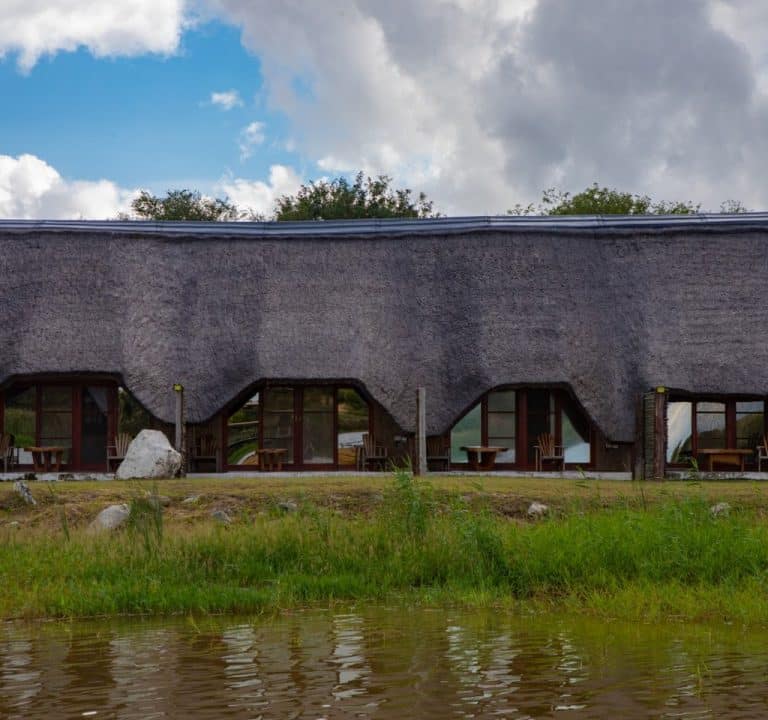
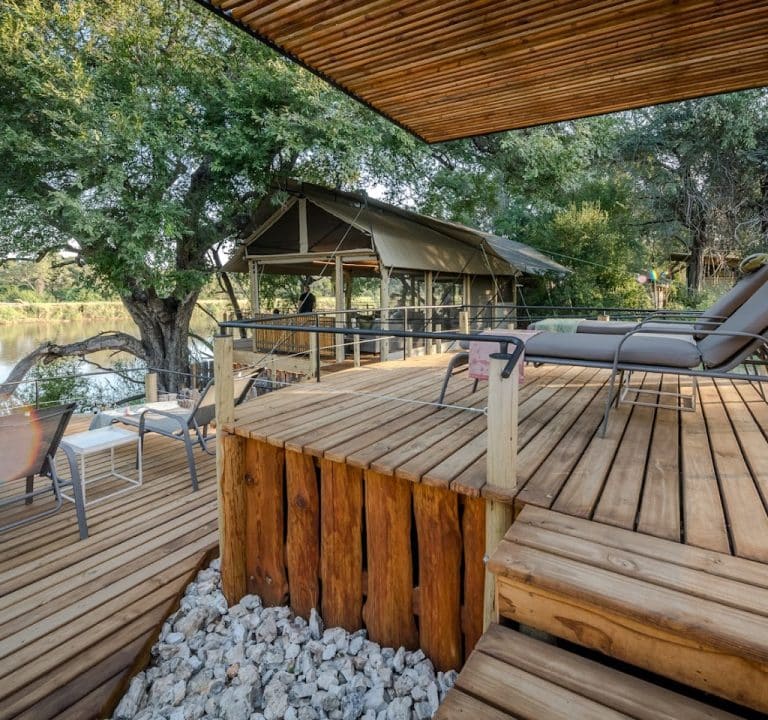
Accommodation in Phalaborwa ranges from comfortable lodges and guesthouses to self-catering retreats and boutique hotels. Many properties are designed to blend into the surroundings, with outdoor decks, pool areas, and fire-friendly lounges that encourage a slow, end-of-day pace after safari mornings. Bookings are typically flexible enough to accommodate weekend breaks, midweek escapes, or longer wildlife-focused itineraries. When choosing where to stay, consider the following:
- Location relative to wildlife areas and gates: lodges closer to riverine habitats often offer easier access to morning or late-afternoon game drives, while town-based properties provide quicker access to shops and restaurants.
- Property atmosphere: whether you seek a traditional lodge with staffed service and guided activities, or a self-catering option that suits families and group travel.
- On-site amenities: swimming pools, grilled meals or braai facilities, spa options, and guided excursions can significantly affect how you pace your days.
- Room configuration and privacy: family suites, twin rooms, or romantic cottages each shape how you plan daily routines.
Typical amenities you may encounter include air conditioning or ceiling fans for the tropical heat, mosquito nets or screens, secure parking, and in-room safes. Many lodges offer guided safaris or nature walks, with local knowledge of birdlife, river ecosystems, and seasonal wildlife movements. For families and longer reservations, look for options with flexible dining arrangements, child-friendly spaces, and opportunities to participate in conservation or community-based activities. If you are travelling with friends or multiple generations, you’ll value layouts that provide common social areas yet retain private retreat spaces.
Transport in and around Phalaborwa is straightforward but benefits from some planning. The town serves as a convenient hub for self-drive trips into Kruger National Park and surrounding reserves. If you prefer not to drive, a number of lodges offer guided safaris or transfers to park gates and private reserves. When booking, confirm accessibility for your arrival time, as some routes are best enjoyed with daylight for wildlife viewing and scenic appreciation. Rental cars are widely available, and many attractions are spread across the region, so a bit of planning helps you maximise each day.
The best time to visit Phalaborwa depends on what you want from the trip. The region experiences warm, subtropical weather for most of the year, with a dry season usually offering more comfortable wildlife viewing as animals congregate around water sources. The wet season brings lush landscapes and vibrant birdlife, but keep in mind rain can affect driving conditions and daily plans. Regardless of when you travel, mornings and late afternoons are usually prime for game viewing, while midday hours are well suited to poolside relaxation, meals, and indoor experiences.
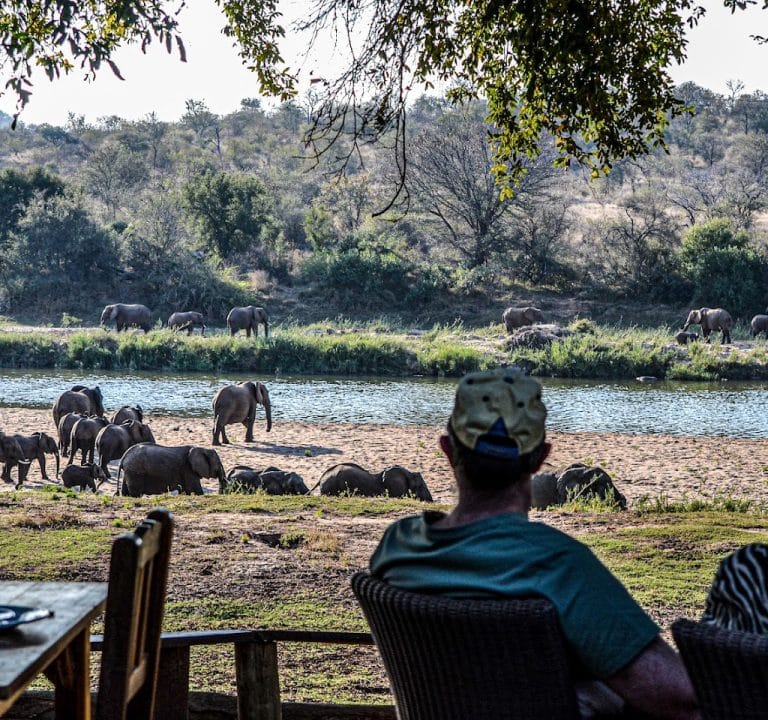
In terms of experiences beyond wildlife, Phalaborwa offers a mix of river-based activities, nature trails, and cultural encounters. A river safari can be a calm way to observe aquatic birds and riverine mammals, while guided walks reveal tracks, flavours of the bush, and insights into the surrounding ecosystem. For a broader perspective, venture to nearby viewpoints, local markets, and eateries that showcase Limpopo flavours—seasonal produce, grilled favourites, and hearty stews are common highlights. When it comes to dining, many lodges and guesthouses offer on-site meals or recommendations of nearby venues, so you can enjoy relaxed evenings after a day of exploration.
As you plan your itinerary, keep practical tips in mind. Pack light, breathable clothing for the heat, a light layer for cool evenings, a sunhat, and sturdy footwear for walking safaris. Water bottles and sun protection are essential for outdoor activities, especially on longer days. If you wear prescription sunglasses or contact lenses, bring backups, as brightness and dust are common in open landscapes. Currency is the South African rand, and while some places accept cards, it’s wise to have some cash for small purchases or rural locations where card machines may be limited. Check each property’s booking terms for cancellation policies and any minimum-stay requirements, particularly during peak seasons or special events.
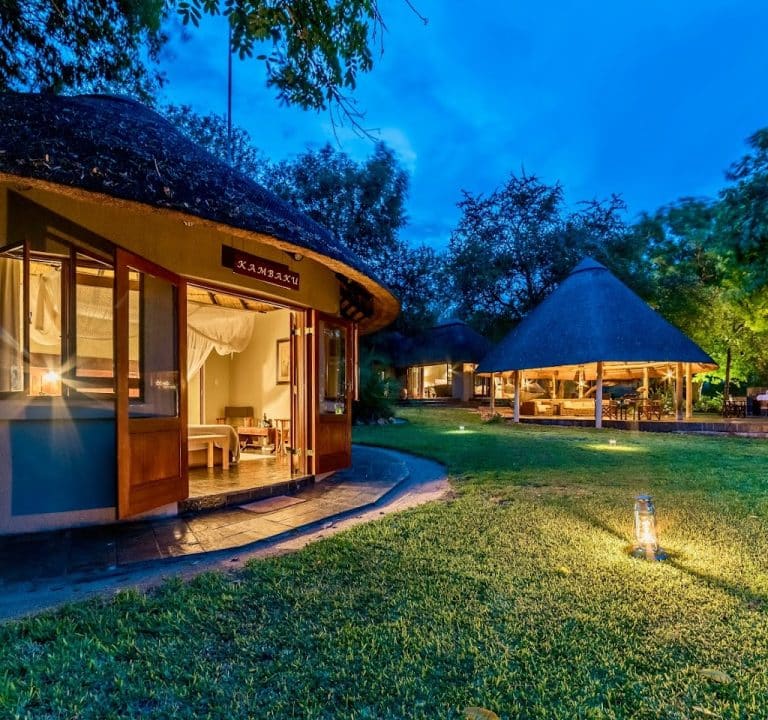
Whatever your preferences, Phalaborwa makes a robust base for wildlife experiences, river life, and restorative stays in the Limpopo heartland. A lodge such as Kambaku 2 Boat Safaris represents one example of the kind of river-focused experiences available nearby, offering a blend of serene water vistas and guided excursions into the surrounding bush. While you plan your escape, browse options that suit your group size, mobility needs, and desired pace of travel, and you’ll find a rewarding balance between comfort, exploration, and the region’s natural beauty.