Accommodating East London, Eastern Cape: where to stay and what to do
East London in the Eastern Cape offers a diverse mix of coast and city, with river estuaries, golden beaches and a relaxed Southern African atmosphere. When planning a stay, consider the areas that suit your pace and what you want to explore. The beachfront zones are ideal for easy access to the sea and walks along the promenade, while inland neighbourhoods often provide a quieter home base close to markets, eateries and cultural attractions. If you are travelling with family, look for spaces with separate sleeping areas, child-friendly amenities and secure parking. For couples or solo travellers seeking a longer break, boutique B&Bs and guesthouses can offer personalised service and local tips that bigger hotels may not.
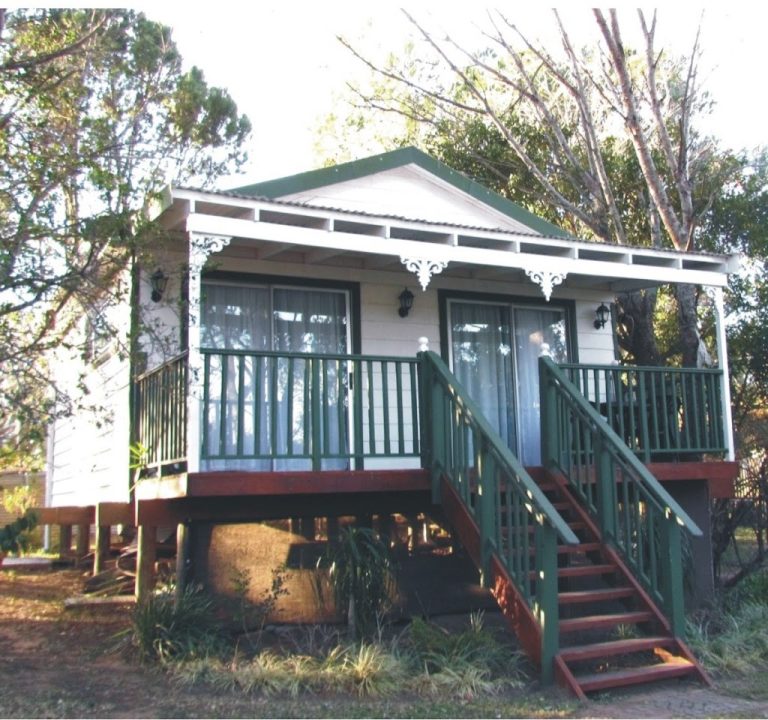
Kalashe Bed & Breakfast represents one of the many welcoming options available in the region. While choosing accommodation, think about the type of experience you want—coastal scenery with sea views, a cosy garden cottage, or a modern room in a guesthouse close to public transport. The website of a local hospitality consultant or similar booking resource can help you compare options, read guest reviews and verify what is included in the rate. When you book, confirm essential details such as whether breakfast is a included amenity, what times meals are served, and if there are self-catering facilities or lounges you can use during your stay.
Key areas to consider include:
- Beaches and promenades, particularly close to Nahoon River or the eastern coast, for easy daytime activities and sunset walks.
- City centre access for museums, markets, and cultural attractions, with convenient taxi or rideshare access to restaurants and bars.
- Suburban pockets with family-friendly parks, safe streets for evening strolls, and a short drive to nature reserves or river views.
- Gonubie and other coastal towns nearby for scenic drives, tidal pools and calmer beaches during peak season.
What to look for when booking a stay in East London includes a reliable bedding setup, good ventilation or heating, and practical amenities such as secure parking, sufficient electrical outlets, and free Wi-Fi. Consider whether the property offers space to store luggage, laundry facilities, and a well-equipped kitchenette if you anticipate cooking some meals. Read reviews for real-world impressions of warmth of welcome, noise levels, road accessibility, and how easy it is to reach local transit hubs or popular attractions by foot or short taxi ride.
Transport and getting around are important practical considerations. East London has a relatively walkable core in some districts, while reliable car hire or private transport options become invaluable if you plan day trips to coastal villages, nature reserves or countryside viewpoints. If you don’t plan to drive much, prioritise accommodation near main bus routes or with easy access to taxi services. For longer stays, check whether the property offers shuttle or recommended local transport partners, as these can simplify trips to beaches, markets, and restaurants.
Typical amenities you may encounter include en-suite bathrooms, shared lounge areas, garden or deck spaces for outdoor dining, and access to a self-catering kitchen or continental breakfast. Some guesthouses offer pool access or outdoor seating where you can unwind after a day exploring the area. Note that in peak tourist periods, some properties may require a minimum stay or have stricter cancellation policies, so understanding the terms before you commit is worthwhile.
Best time to visit East London is influenced by the weather and your planned activities. Summers (roughly November to February) are warm and suitable for swimming and water-based activities, while autumn and spring offer milder temperatures and quieter beaches. Winter is cooler and more tranquil, with fewer crowds but still plenty to do inland. Pack for a range of conditions: sun protection for daytime, a light layer for cooler evenings, and comfortable footwear for walking along coastal paths or exploring city streets.
Attractions and experiences tend to centre on the coast, nature and culture. You might choose relaxed days on the beaches, gentle river walks, or a visit to coastal reserves and nature parks to spot birds and wildlife. In town, local markets, small museums, and art galleries offer a glimpse into the region’s heritage and contemporary culture. Dining options typically range from casual cafés to family-run eateries and refined restaurants that emphasise fresh, regional ingredients. When planning meals out, consider booking ahead in peak periods and exploring the evening atmospheres along the waterfront or in nearby neighbourhoods—many establishments emphasise seasonal menus and laid-back hospitality rather than formal dining.
Practical tips for a smooth stay: arrive with a clear plan for morning activities and late-afternoon rest periods, especially if you are visiting during busy seasons. Have a rough route for your days, but stay flexible to accommodate weather changes or open-air events. Keep a copy of your booking confirmations and directions to your accommodation handy, and note the near- by amenities such as supermarkets, petrol stations and healthcare facilities. If you are staying at Kalashe Bed & Breakfast or similar properties, take advantage of local knowledge from hosts regarding safe beach access, best times for short walks, and off-the-beaten-path eateries that capture the character of East London.
For more information and to explore specific lodging options, including Kalashe Bed & Breakfast, you can visit trusted hospitality resources and related local listings. A well-chosen base will enhance your East London experience, helping you balance restorative downtime with the lively pace of the city and its surrounding coast.