Krugersdorp in Gauteng: a practical guide to lodgings, sights and local flavour
Krugersdorp, set on the highveld just west of Johannesburg, offers a convenient base for travellers seeking a blend of heritage, nature and practical comfort. Whether you’re planning a short city break, a family stay or a quiet retreat, the town’s guesthouses, B&Bs and small hotels provide a range of rooms and amenities to suit different budgets. A stay here often pairs uncomplicated convenience with easy access to neighbouring towns and major routes, making it simple to explore the wider Gauteng region.
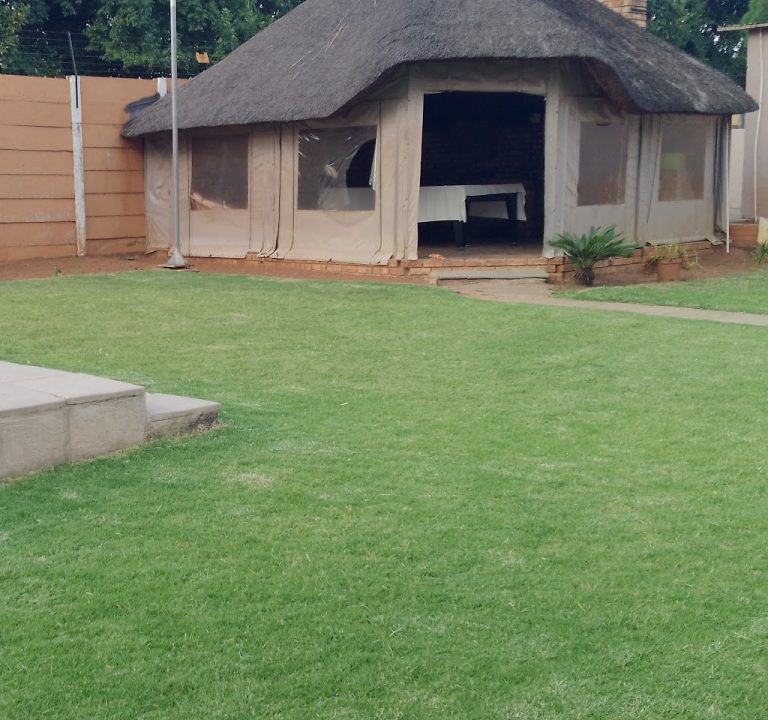
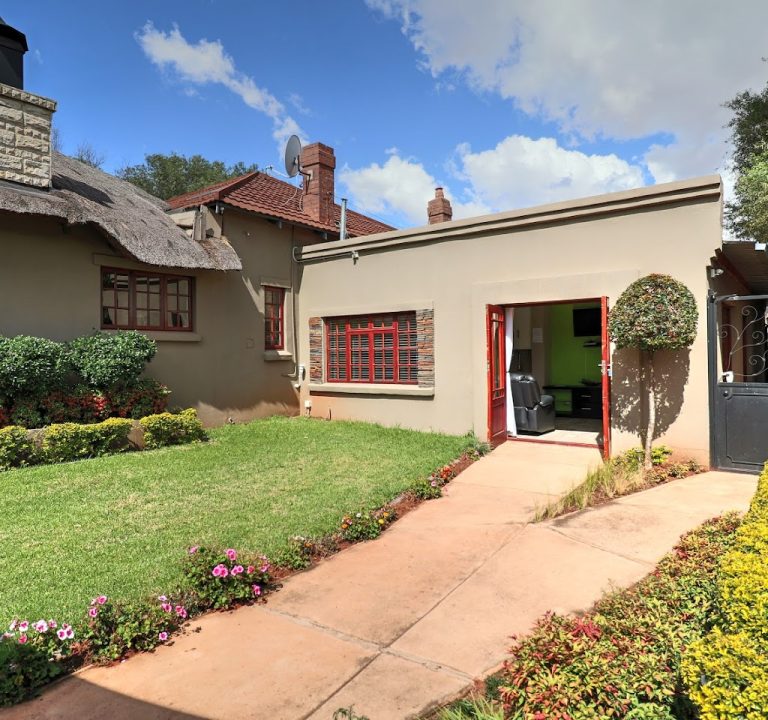
Accommodation in Krugersdorp tends to cluster around a few well-connected neighbourhoods. Central Krugersdorp offers straightforward access to shops, eateries and the town’s historic streets, while areas such as Ruimsig and nearby lodges on the edge of nature reserves provide a more tranquil ambience and generous grounds. If you’re travelling with family or a small group, you might find guesthouses with split-level or family rooms, private entrances, and secure parking helpful for a comfortable, low-stress stay. For a more intimate option, a guest house such as Kalapeng Bakone Guesthouse tends to emphasise a warm, personalised welcome and a homely environment, with flexible layouts and on-site amenities common to many local properties.
When planning where to stay, consider proximity to the activities you have in mind and the transport options you’ll rely on. Krugersdorp is well linked by main roads, including the N14 and regional routes, which makes car hire or self-drive a practical choice for most visitors. If you prefer not to drive, look for guesthouses that offer secure off-street parking and reasonable access to local taxi services. Some properties provide breakfast options and other meals, while others let you dine out at nearby casual eateries or mid-range restaurants. A stay with easy access to local landmarks will save time for sightseeing and give you more flexibility for day trips in the region.
Typical amenities you can expect in many Krugersdorp guesthouses include comfortable en-suite bedrooms, free Wi‑Fi, communal lounges or patios, and often a simple breakfast service or self-catering facilities. The charm of a guesthouse here lies in its personal touch: hosts who can offer local tips, help with planning day trips to nature reserves, museums and historic sites, and recommendations for practical itineraries. If you value privacy, look for properties with independent entrances or dedicated garden spaces, and don’t hesitate to ask about cleaning schedules and breakfast timing to suit your plans.
What to look for when booking is reliability and transparency: clear cancellation policies, confirmation of included amenities (air conditioning or heating, since the climate can be warm in summer and cooler at night in winter), and straightforward directions or map links. Reading guest reviews can help you gauge how well a property handles peak periods or special requests, such as early check-ins or dietary needs. Ask about parking arrangements, security features, and the availability of information about local transport options or guided experiences. If you have mobility considerations, verify access and bathroom setups in advance to avoid surprises on arrival.
Best time to visit Krugersdorp generally aligns with Southern Africa’s dry season, when daytime temperatures are pleasant and rain is less frequent. This makes outdoor explorations—such as visits to nearby nature reserves or historical sites—more enjoyable. However, Gauteng’s climate is fairly moderate year-round, and many tourists appreciate spring and autumn for comfortable walking weather and quieter streets. If you plan to combine town sightseeing with shorter nature outings, late spring (October to November) and early autumn (March to April) can offer a good balance of pleasant temperatures and manageable crowds.
Attractions and activities in the area are broad and varied, though you’ll often find that most visitors tailor their plans around natural beauty, heritage and discovery. You might spend a relaxed morning exploring green spaces or parks, followed by a stroll through local streets to observe architecture and community life. The wider region offers notable natural and cultural experiences, with opportunities for gentle hikes, birdwatching, and discoveries related to mining and regional industry. Typical itineraries emphasise flexibility: a mix of short day trips, casual meals out, and restful evenings at your chosen guesthouse or lodge.
When it comes to dining, you’ll generally find casual restaurants and cafés that serve approachable fare—think breakfast sets, light lunches, and simple evening meals. Many guests enjoy sampling local warmth and hospitality in unpretentious settings rather than seeking high-end gastronomy, which aligns well with a relaxed pace of travel. If you’re planning longer stays, you can pair a day of sightseeing with a meal at a nearby eatery or return to your base for a home-style supper, depending on the options available at your chosen accommodation.
Practical tips for a smooth stay:
- Book in advance during school holidays and long weekends, as demand can rise for mid-range guesthouses and small hotels.
- Bring adaptable clothing for varying Qld-season temperatures and occasional evening coolness.
- Check parking arrangements and security provisions, especially if you’ll be out after dark.
- Ask hosts about local transport, reliable routes for day trips, and any must-see viewpoints or heritage sites nearby.
- Carry a lightweight map or offline navigation, as mobile signal can vary by area.
In short, Krugersdorp offers a practical, welcoming base from which to explore Gauteng. With a range of guesthouses and modest hotels, sensible planning, and a relaxed approach to meals and travel, a stay here can be a comfortable stepping-stone to discovering the wider region without the bustle of larger cities.