Accommodation and experiences in Gqeberha, Eastern Cape: planning your stay and making the most of it
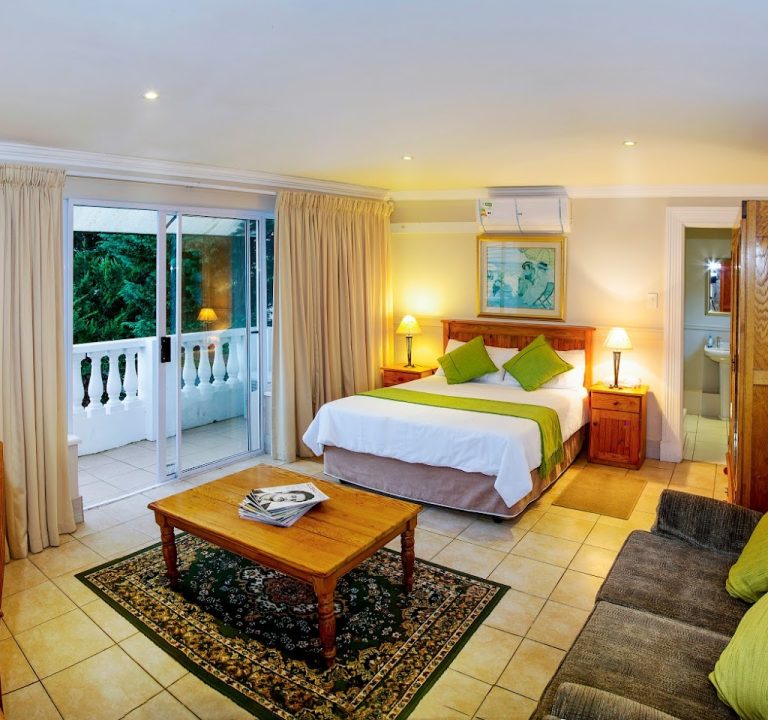
Gqeberha, formerly Port Elizabeth, sits on the Eastern Cape’s sun-warmed coastline and offers a blend of beaches, colonial streets, and modern conveniences. When planning a stay, think about location first: beachfront districts for easy access to the sea, leafy suburbs close to cafés and galleries, or the vibrant city centre with convenient transport links. Within this mix you’ll find guest houses, boutique hotels, self‑catering units, and traditional B&Bs, including venues like Jon Jen Guest House & Conf Center, which can provide a personalised base for both leisure and small meetings.
Areas to consider include the beachfront arc and Humewood, where sandy shores, promenades, and sea views are within easy reach. Richmond Hill and the city centre offer charming streets, local eateries, and a walkable atmosphere with a range of accommodation styles. For quieter stays, residential suburbs a short drive from the waterfront can deliver tranquillity, gardening space, and parking—ideal if you are planning day trips to nearby nature reserves or wildlife attractions.
What to look for when booking your stay relates to comfort, accessibility, and practicality. Check the type of room and bed configuration, whether there is a private bathroom, and if the property has air conditioning or heating for the changing seasons. A reliable Wi‑Fi connection is often essential for travellers, along with on‑site parking or secure street parking. If you are visiting during peak season, ask about breakfast options, shuttle services, and late‑check‑in arrangements. For business or group stays, enquire about meeting spaces, privacy options, and whether the guest house can assist with small conference needs.
Typical amenities you might find include a generous breakfast service, well‑appointed en‑suite bathrooms, daily housekeeping, and curated local information from staff. Some properties offer guest lounges, outdoor verandas, or gardens where you can relax after days spent exploring. Practical touches such as laundry facilities, luggage storage, and informed reception hours can make a big difference to your experience, particularly if you are on a tight schedule or moving between multiple destinations in the region.
Transport in and around Gqeberha is straightforward but varies by neighbourhood. If you are staying near the beachfront or city centre, you may find that walks and short rides are perfectly workable for daytime sightseeing, beaches, and dining. For longer day trips—such as visits to nature reserves, wildlife experiences, or coastal towns—a hire car offers flexibility, while well‑reviewed local taxis and ride‑hailing services provide convenient alternatives. If you plan to use public transport, check access to bus routes or rail links and confirm whether the property is within easy reach of major drop‑offs from the airport, which sits a short drive from central areas.
The best time to visit Gqeberha depends on what you want from your trip. Summer (roughly November to February) brings warm weather, long sandy beaches, and outdoor activities along the coast. Autumn and spring offer milder temperatures and quieter streets, making them ideal for longer explorations of the city’s parks, markets, and historic streets. Winter is cooler and often quieter, with coastal scenery that still holds appeal for relaxed seaside strolls and social dining experiences. Whichever season you choose, book your accommodation a little in advance if you can, especially in holiday periods, to secure rooms that meet your preferences for comfort, view, and access to the places you want to visit.
Places to visit and things to do in general terms include long beach walks and the chance to enjoy coastal scenery, local markets, and museums that reflect the city’s maritime heritage and urban life. Dining experiences range from casual cafés with ocean views to family‑run eateries serving traditional comfort dishes. For those who are curious about the region, day trips to nearby wildlife reserves or scenic coastal routes can provide memorable experiences without needing to travel far from your base. When planning a trip with a focus on food, heritage, or nature, consider connecting with accommodation hosts for recommendations and practical itineraries, as they often offer insider tips not found in guidebooks.
- Plan ahead for popular dates and consider areas that suit your pace and interests (beachfront for convenience, or quieter suburbs for relaxation).
- Confirm essential amenities (private bathroom, parking, Wi‑Fi, breakfast options) when booking.
- Consider transport needs: walking proximity to sights vs. the convenience of a car or reliable taxi services.
- Check flexibility of arrival times and whether the guest house can accommodate early check‑in or late departures.
- Ask hosts for personalised recommendations on attractions, beaches, markets, and dining options to tailor your itinerary.
For general planning and inspiration, you can explore official tourism resources as a starting point. A visit to the city’s tourism pages or regional guides can help you map out day trips, seasonal events, and practical travel tips. When you are ready to book, look for guest houses or boutique properties that align with your needs—combining comfortable aesthetics, attentive hosts, and convenient locations—to ensure a relaxed and well‑paced stay in Gqeberha. More information about visitor experiences and accommodation options is available online for those seeking current listings and regional highlights.