Discover Thohoyandou: Where to stay and what to do
Thohoyandou, nestled in Limpopo’s citrus and sugarcane country, offers a welcoming blend of rural charm and gateway access to the broader northern Lowveld. Whether you are visiting for nature, culture, or the region’s markets and cuisine, choosing the right accommodation can set the tone for a relaxed and rewarding trip. The town acts as a practical base for exploring rural villages, wildlife reserves, and the scenic foothills of the Soutpansberg. When planning a stay, consider not only comfort but also proximity to the attractions and the convenience of transport links.
Accommodation in Thohoyandou ranges from bed and breakfasts and guesthouses to small lodges and guest-friendly self-catering options. A stay at a B&B such as a locally run house can offer a warm, personalised welcome with breakfast served in a dining room or courtyard, a chance to chat with hosts about hidden gems, and insider tips on safe, scenic routes. For those seeking a quieter or more intimate vibe, smaller guesthouses often provide well-equipped rooms, private entrances, and secure parking. If you prefer more independence, some lodges and self-catering units are nestled just outside the town centre, offering easy access to nature trails and viewpoints.
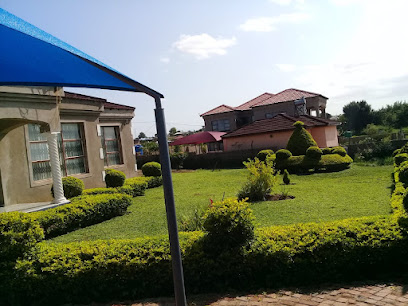
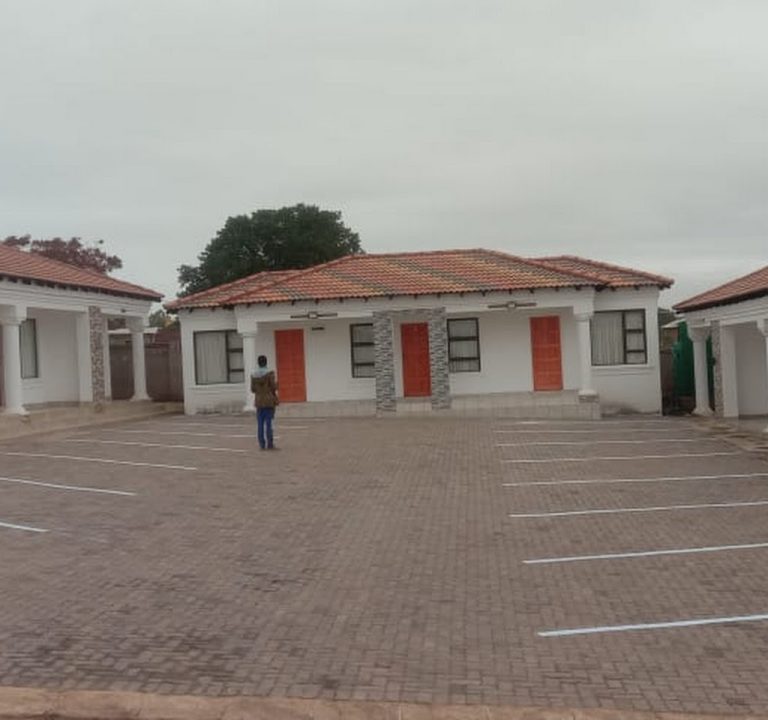
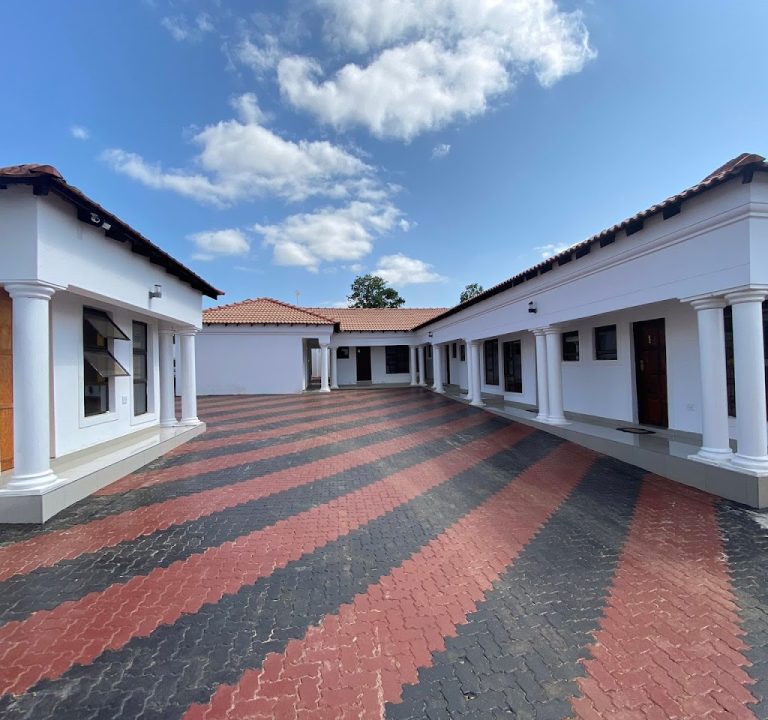
Jemsbok Guest House is a useful reference point for a typical guesthouse experience in the region: comfortable rooms, a friendly atmosphere, and a focus on local hospitality. When evaluating options, think about the following practical considerations.
Areas to consider
- Town centre vs. quieter outskirts: The town centre gives easy access to shops, markets, and eateries, while outskirts or nearby rural lanes can provide a more peaceful retreat and easier access to nature trails.
- Proximity to transport routes: If you plan day trips, choose accommodation close to main roads or a rail link where available, so transfers are straightforward.
- Local culture and community: Look for hosts or properties that celebrate regional crafts, cuisine, and music, as this can enrich your stay without adding complexity to logistics.
What to look for when booking
- Cleanliness and comfort: Check room layout, bed quality, and cleanliness. A well-kept bathroom and reliable hot water are essential after warm days outdoors.
- Security: Secure on-site parking and good lighting in the surroundings provide peace of mind while you explore the area.
- Breakfast and meals: If included, plan for a hearty breakfast to fuel day trips. If not, consider a place with access to kitchens or dining options nearby.
- Wi‑Fi and connectivity: For some travellers, dependable wi‑fi helps plan safaris, routes, or school/work commitments during stay.
- Flexible policies: A booking with clear cancellation terms can reduce stress if travel plans change.
Typical amenities to expect
- Comfortable en-suite or private bathrooms, with reliable hot water and daily housekeeping arrangements.
- Medium to good-speed wi‑fi, suitable for planning activities or sharing highlights with friends back home.
- Parking, either on-site or a secure, well-lit area nearby.
- A friendly communal space, such as a lounge, courtyard, or veranda, where guests can relax or socialise.
- Breakfast options, tea and coffee facilities, and basic self-catering facilities if available.
Transport and getting around
- Car hire or private transfer options are common, making day trips to nature reserves, viewpoints, or nearby villages more convenient.
- Local taxis or ride-hailing services may be available; verify with your host about recommended operators and safe arrival times.
- For those keen on a walkable stay, pick accommodation within easy reach of markets, cafés, and cultural hubs to minimise unnecessary travel.
Best time to visit
- The Limpopo climate brings warm days with mild evenings for much of the year. The dry season generally presents clearer wildlife-viewing conditions and pleasant daytime temperatures, while the wet season brings lush scenery and vibrant landscapes, often with afternoon showers.
- Consider local cultural events or markets, which can add a memorable dimension to your itinerary. The timing of school holidays and long-weekends may affect crowd levels and availability, so booking ahead is wise during peak periods.
What to do and where to eat (in general terms)
- Natural highlights: Use Thohoyandou as a base to explore nearby nature reserves, scenic viewpoints, and outdoor trails suited to a relaxed walking pace.
- Cultural experiences: The area offers opportunities to learn about local communities, crafts, and traditional cuisine; engage respectfully with guides or hosts who can provide context.
- Dining: In town, you’ll find casual eateries and family-run cafes offering hearty meals that showcase regional flavours. For a relaxed evening, look for places with comfortable seating, a friendly atmosphere, and menus that cater to varied tastes.
- Markets and shopping: Local markets can be vibrant stops for handmade crafts and fresh ingredients, offering a chance to support small producers and take home distinctive mementoes.
Practical planning tips
- Book with detail: Confirm room type, bed size, and whether breakfast, parking, and Wi‑Fi are included.
- Pack for the climate: Lightweight clothing for warm days, a light jumper for cooler evenings, and sun protection for outdoor activities.
- Stay flexible: Allow time for unexpected discoveries—markets, viewpoints, or a guided walk can become the highlight of a day.
- Respect local etiquette: Engage with hosts and guides kindly, and follow any cultural or environmental guidelines provided.
Website links and further information
- If you are seeking to compare options or read guest reviews, use reputable travel sites or the accommodation’s official pages to verify details and current offerings. Planning ahead with a clear sense of priorities—comfort, location, and the kind of experience you wish to enjoy—will help you craft a relaxed, enjoyable stay in Thohoyandou and the surrounding Limpopo scenery.