Where to Stay and What to Do in Jeffreys Bay, Eastern Cape
Jeffreys Bay, on the Eastern Cape coast of South Africa, combines laid‑back seaside charm with world‑class surf and a welcoming, small‑town atmosphere. Whether you’re seeking a stylish boutique stay, a family‑friendly guesthouse, or a tranquil lodge with room to breathe, the town offers accommodation across a range of neighbourhoods designed to suit different itineraries and budgets. When planning a stay, consider how you want to split your time between beach days, family activities, and easy access to restaurants and shops, as well as your preferred commute to the beaches or the town centre.
Areas to consider for accommodation
- Central Jeffreys Bay – A convenient base for walkers and first‑timers, close to shops, cafés and the main beaches. Staying here keeps you within easy reach of the town’s services and a lively, friendly environment.
- Near the Point and Main Beach – Ideal for surfers and sunseekers who want quick access to the iconic beaches. Properties here often offer sea views and easy beach access, with a relaxed, holiday‑minded ambience.
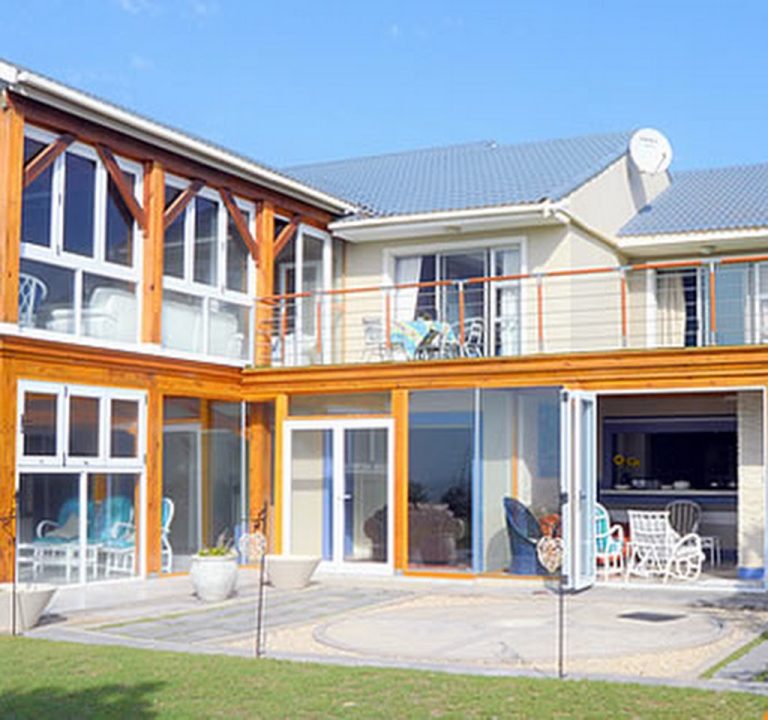
- Dolphin Beach / South Beach areas – A bit more boutique and often quieter, these areas suit guests seeking a peaceful stay with longer balcony or garden spaces and a shorter stroll to the sand.
- Kabeljouws and surroundings – More residential, with a tranquil vibe and often more expansive grounds, suitable for families or longer stays where privacy and space matter.
What to look for when booking
- <strongAccessibility to beaches – If you plan long days on the sand or in the waves, confirm how close accommodation is to the nearest access points, and whether there are easy paths or stairs involved.
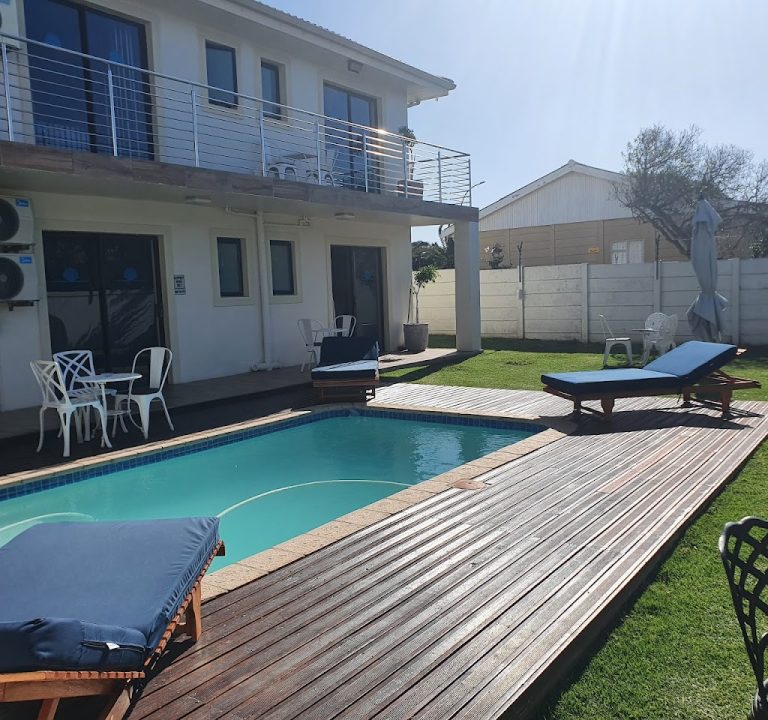
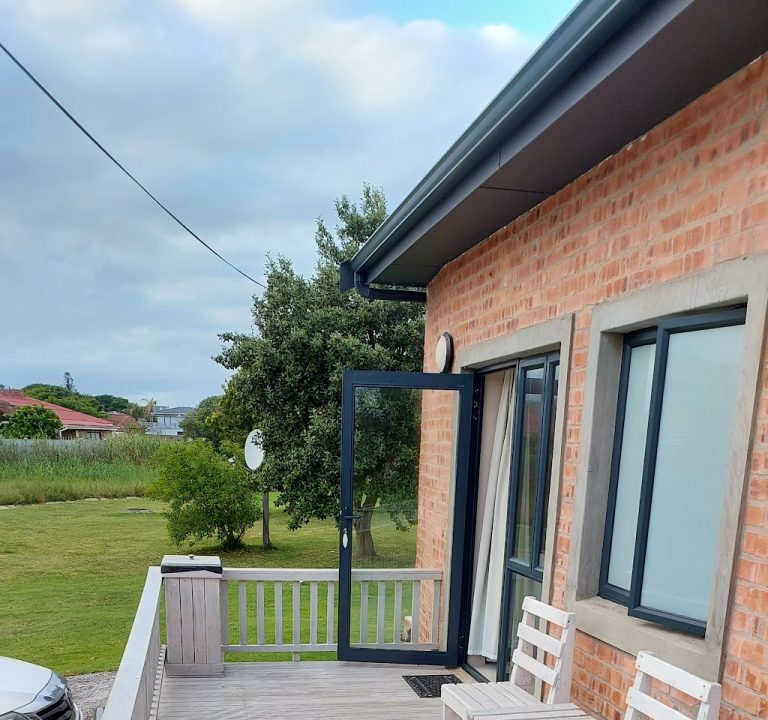
- <strongOutdoor spaces – Balconies, patios, or gardens add value for leisure time and for families with children who want a safe play area.
- <strongSelf‑catering vs. b&b services – Decide if you’d prefer cooking facilities and a kitchen or daily housekeeping and breakfast. Some places offer a mix of both.
- <strongParking and transport access – If you’re hiring a car, verify on‑site parking availability. For those relying on local transport, check proximity to taxi routes or routes to larger hubs.
- <strongSound insulation and family suitability – For light sleepers or families with small children, quiet rooms and family‑friendly layouts can make a big difference.
Typical amenities you might expect
Across Jeffreys Bay, guesthouses, lodges and hotels commonly offer free Wi‑Fi, private or en‑suite bathrooms, and secure parking. Many properties provide breakfast options, and some feature on‑site eateries or bar facilities. Outdoor spaces are a frequent highlight, with patios, sun decks or swimming pools featuring in a good portion of stays. If you’re seeking a higher level of convenience, look for properties with flexible check‑in times, late‑departure options, and helpful concierge services that can organise local experiences.
Transport, getting around, and practical tips
Jeffreys Bay is best explored with a car, giving you the freedom to hop between beaches, viewpoints and dining spots at your own pace. If you prefer not to drive, check whether your accommodation can assist with shuttle arrangements or proximity to reliable taxi services. The town is pedestrian‑friendly in many areas, with compact streets that lend themselves to relaxed strolls, especially in the centre and near the beach. Pack sun protection, reef‑safe sunscreen, and a light rain layer for the changeable coastal weather. Even in peak season, early mornings or late afternoons offer cooler temperatures and calmer crowds for beach time and walks.
Best time to visit
The climate in Jeffreys Bay is mild year‑round, making it a pleasant escape in most months. Peak sun and surf conditions tend to draw crowds during the Southern Hemisphere summer and autumn. Spring brings blooming coastal flora and a touch less bustle, while winter offers a quieter backdrop with cooler sea breezes. If your aim is surfing, book for the best negotiation of swells and lifeguard coverage, and consider shoulder seasons for more comfortable prices and less crowded beaches.
Attractions, activities, and dining in general terms
Beyond the beach, Jeffreys Bay offers nature trails, viewpoints over the coastline, and opportunities to observe marine life from friendly vantage points. Adventurous visitors may pursue water‑based activities such as surfing lessons, stand‑up paddleboarding, or guided coastal walks. The town’s dining scene is diverse, with informal cafés, casual bistros, and restaurants offering fresh seafood and modern takes on local favourites. For shopping and crafts, the streets around the town centre provide small boutiques, galleries and markets where you can find handmade items and artisan goods.
Planning a balanced itinerary
To get the most from your stay, mix beach time with gentle exploration of the local culture and scenery. Allocate mornings for outdoor time when the light is best for photography and the beaches are at their calmest, and reserve afternoons for shopping, dining, or a family activity. If you’re visiting with children, look for accommodation with safe play areas and easy access to parks or open spaces where they can burn off energy between beach sessions.
Useful starting point for ideas and local planning can be found at official tourism resources and destination guides online. For more information and to explore accommodation options, you can visit the town’s tourism pages and partner sites that showcase a range of stays—from boutique hotels to guesthouses and guest‑mhouse properties across Jeffreys Bay: Jeffreys Bay Tourism.