Where to stay and what to do in Jeffreys Bay, Eastern Cape
Jeffreys Bay, a laid‑back coastal town in the Eastern Cape, combines long sandy beaches with a welcoming hospitality scene. Whether you’re after a cosy guest house, a stylish B&B, or a practical self‑catering option, the town offers a range of choices that suit different budgets and travel styles. Planning a stay here is best done by weighing which area you want to call home for a few days, what you want to access on foot, and how you’ll get around to explore the wider coastline and nearby natural attractions.
Areas to consider when booking
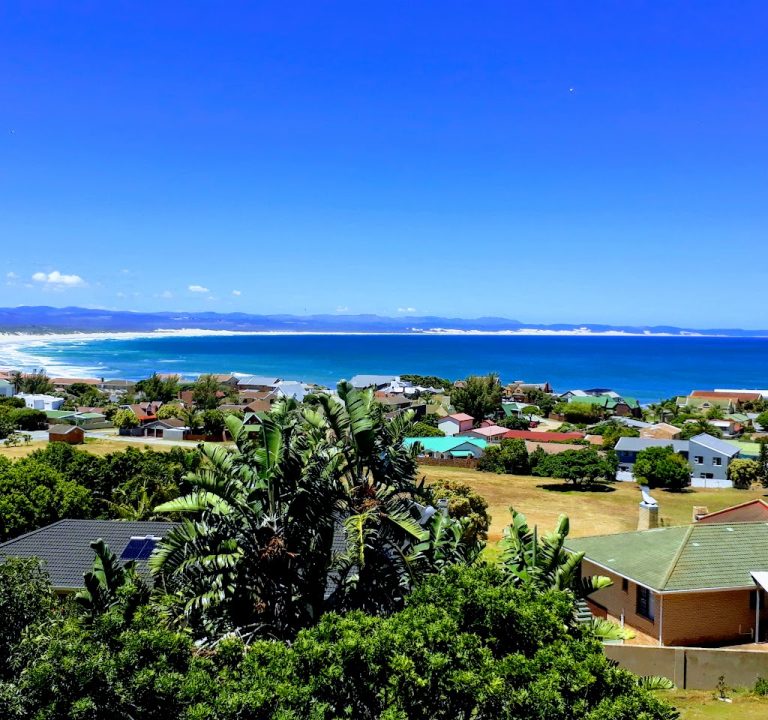
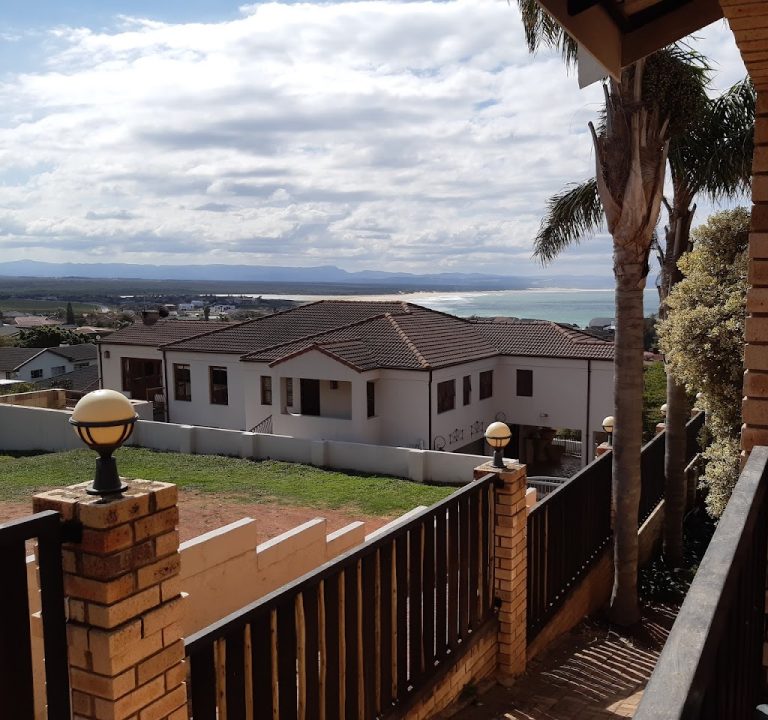
The main stretch of Jeffreys Bay centres on the town itself, where most guest houses and small hotels cluster within easy reach of the beach, shops, and cafés. For a more tranquil, holiday‑vibe base, look to the quieter residential zones near Bloubaai or Kabeljouws, where properties often come with sea views and direct access to beach trails. Paradise Beach is another popular option for those who want a quieter, residential feel while still being close to surfing beaches and local amenities. When choosing a base, consider how close you’d like to be to the main surfing beaches, whether you prefer seafront mornings or a short drive to key viewpoints, and how much hard sand or gravel road access you’re comfortable with if you’ll be driving or walking with gear.
What to look for when booking
- Proximity to the beach or a pleasant walk along coastal paths
- Reliable Wi‑Fi and comfortable working space if you’re mixing travel with a little remote‑working
- Accessible parking, especially if you’re hiring a car or bringing a vehicle to explore the coast
- Outdoor spaces for catching sun, barbecues, or relaxing after a day on the sand
- Clear traffic information and easy routes to popular beaches and viewpoints
- Flexible check‑in/out options and polite, helpful hosts who can share local tips
Typical amenities you might expect
Guest houses and B&Bs in Jeffreys Bay commonly offer en‑suite bedrooms, daily room refreshes, and shared lounge areas. Many properties provide sea or garden views, and some feature private terraces or patios. You may find essentials such as hearty breakfasts, parking on site, and self‑catering facilities in some units. A number of stays also offer braai (barbecue) facilities, making it easy to enjoy sunset meals outdoors. For those staying longer or seeking more space, self‑ catering flats or cottages are often a practical option with kitchen facilities, living areas, and separate bedrooms.
Transport and getting around
Jeffreys Bay is best explored with a car, giving you flexibility to reach the beaches, viewpoints, and nearby towns at your own pace. The town is relatively walkable for short journeys, and some guest houses offer bicycle hire for a breezy coastal ride. Public transport options are limited beyond the main routes, so most visitors rely on private cars or rideshares. If you’re planning day trips to nature reserves or coastal towns, having a vehicle will save time and allow you to linger at viewpoints or beaches you discover along the way.
Best time to visit
Jeffreys Bay enjoys warm summers with plenty of sun, making it a favourite for beachgoers and surfers from November through February. Winter, with cooler seas and quieter streets, can be appealing for those seeking a slower pace and lower room rates. Shoulder seasons offer a balance of pleasant weather and fewer crowds. If you’re chasing specific surfing conditions, you may want to align your visit with regional wave forecasts, but for most travellers the town’s climate makes it comfortable year‑round.
What to do and see (in general terms)
Beyond the beaches, Jeffreys Bay offers scenic coastal walks, rock pools at low tide, and lookout points that showcase the expanse of the Indian Ocean. The town forms a convenient base for exploring the wider region’s natural beauty, including nature reserves, marine viewpoints, and opportunities to observe marine life from shore or on guided excursions. Adventurous visitors may opt for surfing lessons on the main beaches, while those seeking a more relaxed day can enjoy a seaside stroll, a casual meal at a local eatery, and a visit to nearby craft markets or galleries that celebrate regional talent.
Dining and local experiences
Within Jeffreys Bay, you’ll find a range of eateries offering coastal‑influenced menus, from casual cafés to family‑friendly diners. Many places highlight fresh seafood, local produce, and globally inspired dishes, with options to suit different dietary preferences. When planning meals, you’ll benefit from checking opening times and potential bookings for peak periods. For a taste of the area’s hospitality, look for venues with outdoor seating where you can enjoy the sea breeze and views while you eat. If you’re curious about the area beyond the town, local tourism information portals can point you to guided coastal walks, day trips to natural reserves, and experiences led by residents who can share insight into the region’s culture and wildlife.
Practical tips for a smooth stay
• Book accommodation in advance during peak surfing seasons or school holidays to secure your preferred area and room type. • Pack beach gear, sun protection, and light layers for cooler evenings. • Check parking arrangements and access routes if you’ll be traveling with a vehicle or planning day trips. • Bring a reusable water bottle and energy‑saving essentials to stay comfortable on long beach days. • Use a reputable map or local recommendations for safe coastal walking routes and viewpoints. • Respect wildlife and preserve the natural environment, keeping to marked paths and removing litter responsibly.
For more information and inspiration about Jeffreys Bay, you can visit local tourism resources and browse accommodation options to plan your stay: https://www.jeffreysbay.co.za/