Exploring Shatale, Limpopo: Where to stay and what to do
Shatale in Limpopo offers a gateway to rural South Africa with a relaxed pace, natural scenery and access to a range of experiences that suit travellers seeking authentic, low-key stays. When planning a visit, consider both the immediate surroundings and the broader Limpopo region, where wildlife, cultural heritage and scenic landscapes intertwine. An stay in Shatale can be a simple bed, a cosy guesthouse or a more boutique experience, all with the advantage of being within reach of outdoor adventures and quiet rural hospitality.
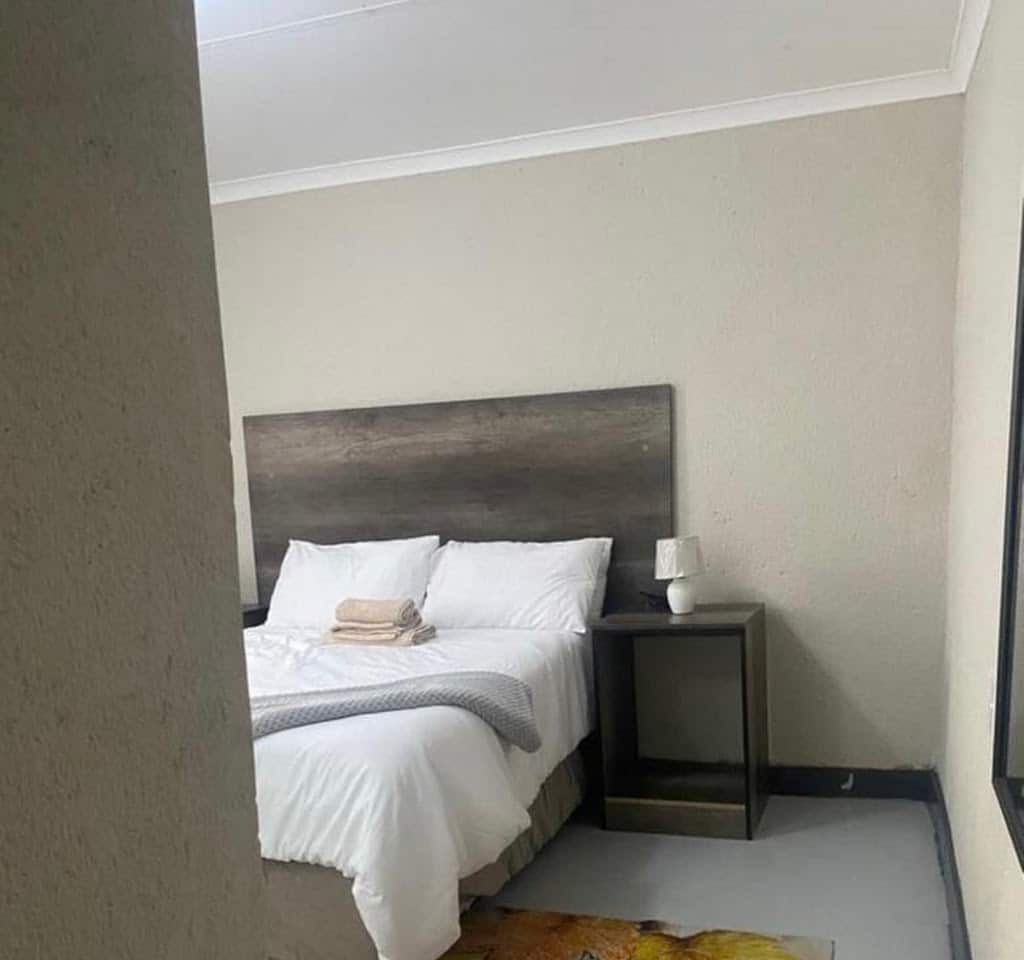
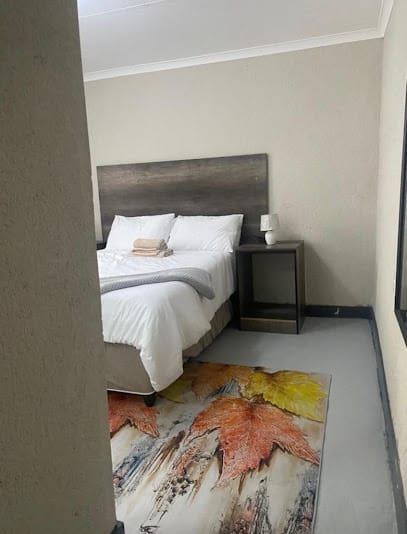
Accommodation options in and around Shatale range from intimate bed and breakfast setups to guesthouses that welcome families and groups. A B&B such as JBC Guest House Shatale (and similar properties in nearby towns) tends to combine comfortable rooms with personal service, a home-cooked breakfast, and spaces to relax after a day of exploration. When choosing where to stay, look for settings that feel safe and well-maintained, with hosts who can share local tips and practical information about travel times, weather and attractions. Practical factors to consider include the size and layout of rooms, on-site parking, whether meals are offered, and access to outdoor spaces for evening stargazing or morning coffee outdoors.
Consider the area you’d like to base yourself in within Shatale and its surroundings. Rural lodging can be spread across small villages and farmsteads, which may offer a quieter, more remote feel, or be closer to main roads and local services. If you prioritise easy access to restaurants and shops, choose accommodation closer to the village hub or the route linking Shatale with larger towns in Limpopo. For wildlife watching or nature walks, seek properties with easy access to nature trails or with arranging details from hosts about safe, guided options nearby.
Typical amenities to look for include en-suite bathrooms, reliable hot water, secure parking, and options for late arrivals if your flight schedule is variable. Some guesthouses provide Wi-Fi, complimentary breakfast, and common lounge areas where guests can share travel stories. If you rely on transport, check whether the property can arrange transfers or provide clear guidance on public transport links and local taxi services. A practical tip is to confirm check-in times in advance and to ask hosts about best driving routes and road conditions, particularly in wetter seasons when rural roads can be affected.
Best time to visit Shatale and Limpopo in general largely depends on your interests. The region experiences warm, dry winters and hot, wetter summers. Winter (May to August) can be pleasant for outdoor activities and wildlife viewing, with cooler evenings ideal for fireside gatherings or braais. Summer months (roughly November to March) may bring more rainfall and humidity, but also lush landscapes and the possibility of greener scenery. If you’re aiming to combine a stay with outdoor adventures, plan for a few flexible days in case weather affects day trips or activities at outdoor reserves.
Getting around is a key consideration. A moderate level of self-sufficiency with a reliable car is usually helpful in Limpopo, where public transport options can be limited outside towns. Having a vehicle enables you to explore at your own pace, detour to viewpoints, and visit nearby attractions without depending on timetables. If you prefer not to drive, some lodges and guesthouses can arrange guided tours or private transfers, which may include day trips to nature reserves, cultural sites, or markets in nearby towns. When budgeting, factor in fuel, potential tolls, and the time needed to traverse rural roads. Prepare for variable conditions, especially in remote areas with limited roadside services.
What to do and see during a stay in Shatale and the surrounding Limpopo area varies with season and interest. Visitors commonly enjoy trails and nature walks that reveal the region’s flora and birds, as well as opportunities to observe wildlife in managed reserves nearby. Cultural experiences, such as village visits or community-driven exchanges, can provide meaningful insight into local traditions and daily life. For dining, expect a mix of simple, hearty meals at guesthouses and local eateries that showcase regional flavours. Many places emphasise fresh, home-cooked dishes and produce from nearby farms. If you prefer a culinary focus, ask hosts for recommendations on where to enjoy traditional South African dishes and seasonal fare within reasonable travelling distance.
Practical tips to enhance your stay:
- Read guest reviews and communicate directly with the host about expectations, meals, and accessibility needs.
- Pack adaptable layers for temperature swings between day and night, especially in dry winter months.
- Bring a lightweight rain jacket or poncho if visiting during the wetter season; waterproof footwear is practical for trail walks.
- Respect local customs and wildlife; keep a respectful distance from animals and follow host guidance on safe routes and activities.
- Check for on-site security features such as entry controls and outdoor lighting, particularly if staying in more remote areas.
- Have a flexible plan to accommodate weather and wildlife viewing opportunities; allow time for spontaneous discoveries.
For the best of local accommodation with a personal touch, consider a stay at JBC Guest House Shatale, which offers a welcoming base with easy access to the region’s natural and cultural experiences. Their website provides further details on facilities and booking options: JBC Guest House Shatale.
In summary, Shatale and the Limpopo area offer a blend of quiet rural charm, accessible nature, and authentic hospitality. By selecting a thoughtfully located base, planning around weather and transport, and engaging with local guides and eateries, you can craft a relaxed yet rewarding stay that highlights the best of this part of South Africa.