Where to stay and what to do in Cape Town, Western Cape
Cape Town offers a vibrant mix of neighbourhoods, coastlines and cultural flavours, making it possible to tailor a stay to many tastes. Whether you prefer a boutique guest house with a home-from-home feel, a stylish apartment overlooking the Atlantic, or a family-run inn tucked into nature, there are options to suit most budgets and itineraries. When planning a trip, think about what you want to experience day-to-day: city sights, beach time, or easy access to wine routes and mountain adventures.
Popular areas for accommodation include the City Bowl and Gardens for central convenience and easy access to museums, restaurants and nightlife; the Atlantic Seaboard, including areas such as Green Point and Camps Bay, for dramatic sea views and easy beach access; and Constantia or the Lourensford/Platter wine routes for a more tranquil, leafy stay. Suburban pockets such as Woodstock offer contemporary character and an up-and-coming dining scene, while the leafy southern suburbs provide quiet, spacious properties and easy drives to Constantia’s vineyards and the Kirstenbosch National Botanical Garden.
When choosing where to stay, consider the type of experience you want. A guest house or B&B can offer a personalised touch, with hosts who can share local tips on routes, markets and hidden gems. Private self-contained flats or small hotels can provide flexibility for families or longer visits. If you plan to rely on public transport, look for places near MyCiTi bus routes, or within walking distance of cafés and shops. If you have a hire car, you’ll gain more freedom to explore beyond the city centre, including the Cape Peninsula’s coastal towns and the Constantia valley.
Typical amenities to look for include secure parking or easy on-street parking, a welcoming breakfast offering (some places also offer light evening meals or home-baked treats), reliable Wi-Fi, air conditioning or a fan for warmer days, and a comfortable workspace if you need to catch up on emails. In Cape Town’s climate, a good heating option for cooler evenings can also be useful. Some guest houses provide laundry facilities, garden spaces, or a sun deck with sea views. For families, child-friendly rooms and nearby parks or beaches can make a big difference.
Transport tips help smooth a Cape Town stay. If you plan long day trips, a rental car gives you the freedom to venture along the Pepper club of the Atlantic Seaboard, through the Constantia wine region, or up to the spectacular Cape Point. For city days, public transport and ride-hailing apps are practical, with some areas offering compact urban streets ideal for exploring on foot or by bicycle. If you’re staying near the Waterfront or the City Bowl, you’ll find pedestrian-friendly routes, scenic viewpoints and easy access to museums and markets.
The best time to visit Cape Town depends on what you want from the trip. The summer months (roughly November to February) bring longer days, warming seas and great beach conditions, ideal for outdoor activities and scenic walks up Table Mountain. Autumn and spring offer milder weather and fewer crowds, which can be ideal for sightseeing and dining out. Winter (June to August) is cooler and occasionally wet, but it can be a good time to browse excellent indoor markets and enjoy wineries without the peak-season bustle. If you’re planning a wine-tocious itinerary, consider booking some days around Constantia, Stellenbosch or Franschhoek as part of a broader coastal journey.
When visiting attractions, broad planning helps. The iconic Table Mountain is a must-see, with cable car rides offering panoramic views on clear days. The V&A Waterfront provides shops, eateries and cultural exhibitions in a lively harbour setting. Kirstenbosch National Botanical Garden showcases Cape flora against the backdrop of the early-morning or late-afternoon light. For wildlife and history, Robben Island is a poignant day trip option, though it is subject to ferry availability and sea conditions. For those who enjoy dramatic scenery, the coastal drive along Chapman’s Peak and the Cape Peninsula route reveals rugged cliffs, penguin reserves and picturesque bays.
Dining in Cape Town spans casual cafés, bistros and restaurants offering global flavours with a distinctly South African influence. You’ll find seafood by the harbour, modern takes on traditional dishes, and markets where you can sample a range of local products. In addition to well-established venues, look out for small, family-run eateries and pop-up-style places that reflect the city’s creative and diverse food scene. Many guest houses and smaller hotels can recommend nearby options to suit different budgets and preferences, ranging from light breakfasts to full-service dining experiences.
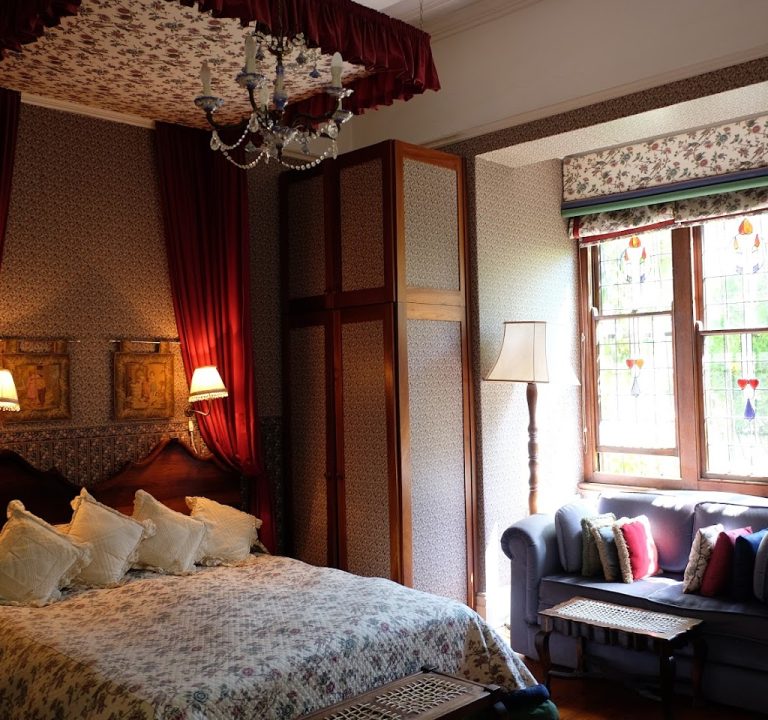
Example accommodation: a guest house such as Jambo Guest House offers a homely base from which to explore the city and the surrounding region. You can find details and book directly via its website at http://jambo.co.za/. For travellers seeking a balance of comfort, community and value, guest houses in Cape Town often pair personal touches with convenient access to the city’s major sights.
- Plan a multi-area stay to balance city sights, beaches and countryside.
- Choose a base that aligns with your transport plan—public transit access or car hire.
- Book ahead for peak season and major attractions; consider shoulder seasons for better value.
- Check for essentials: secure parking, breakfast options, Wi-Fi, and climate control.
With thoughtful planning, Cape Town can offer a memorable blend of landscapes, flavours and experiences. From sunrise views over the Atlantic to sunset dinners with a view, a well-chosen base will help you make the most of your stay in the Mother City.