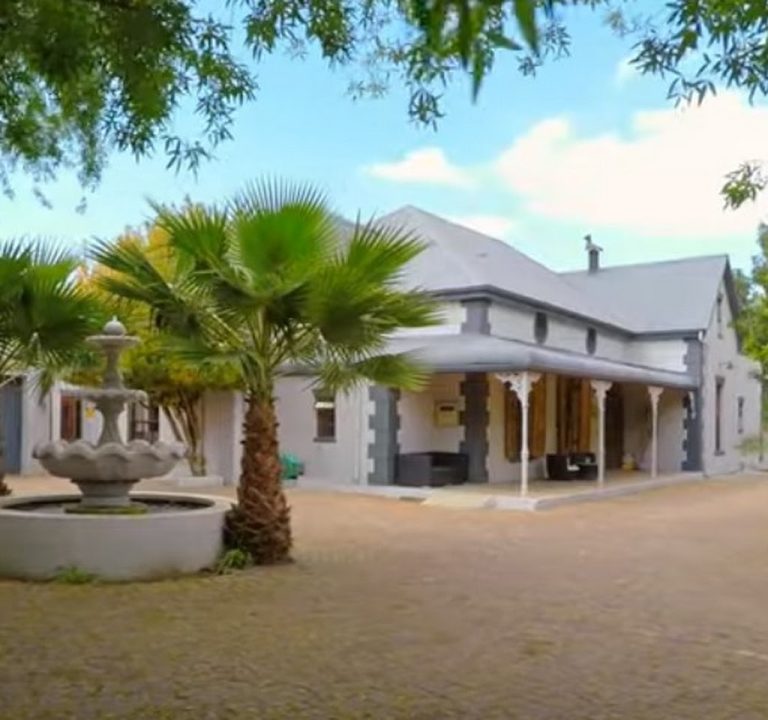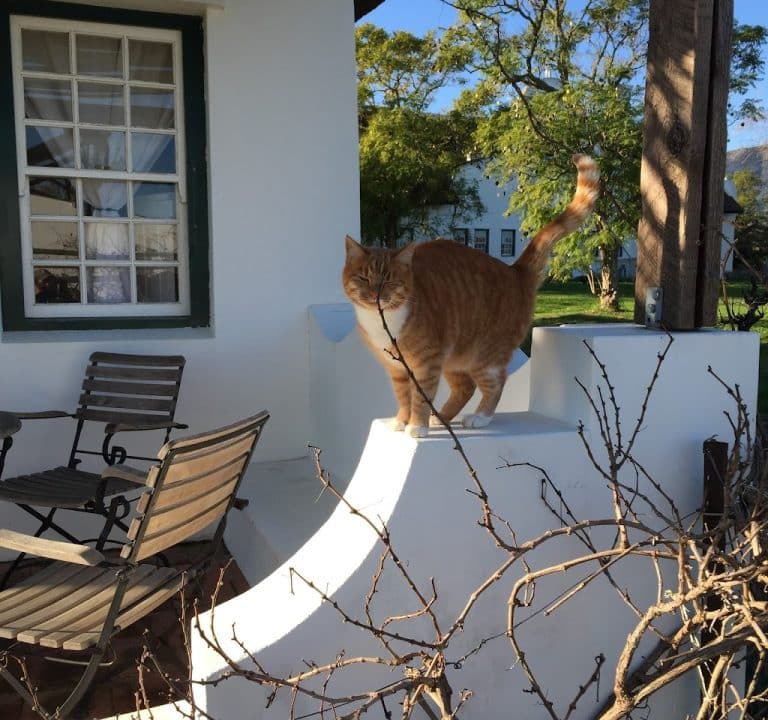
Jacaranda Wine & Guest Farm is a Bed & breakfast establishment in Wellington, Western Cape, South Africa
Jacaranda Wine & Guest Farm — About
Jacaranda Wine Estate sits at the foothills of Groenberg Mountain in Wellington, in the Western Cape of South Africa. The farm’s name honours the jacaranda trees that frame the manor house and the surrounding vineyard, creating a picturesque setting that blends wine country heritage with mountain scenery.
As the smallest registered wine estate in South Africa, Jacaranda produces between 20,000 and 25,000 bottles each year from its 3.2 hectares of vines. The operation emphasises craft and sustainability, with natural fermentation, low sulphites, and careful barrel selection helping to shape the character of each wine. The result is a hands-on, artful approach to winemaking that reflects the land and the people who tend to it.
Guests visiting Jacaranda can expect a wine-focused experience that sits within a traditional estate environment. The emphasis is on authentic, handcrafted wine from vine to bottle, with the opportunity to learn about the estate’s sustainable practices and winemaking philosophy through the estate’s wine offerings and related experiences. While accommodation details are not specified in the available material, the property is presented as a destination where visitors can connect with the wine, the landscape, and the estate’s distinctive sense of place.
Located in Wellington, a recognised wine-producing region within the Western Cape, Jacaranda offers a gateway to the broader wine route landscape. The surrounding area invites exploration of mountain scenery, vineyards, and the quiet rhythms of a farm setting, alongside the chance to discover locally produced wines that tell the story of the year, the soil, and the people behind them.
For visitors considering a stay or a day visit, the estate’s website serves as the primary reference point for wine selections and purchases, with additional information likely available about experiences tied to the winery. The focus remains on wine as the centrepiece of the Jacaranda experience, inviting guests to savour and learn in a scenic, authentic farm environment.
- Nearby highlights include the Groenberg Mountain backdrop and Wellington’s scenic wine country.
- Wine experiences and purchases through the estate’s official site provide insight into the craft of Jacaranda wines.
- The setting promises a traditional vineyard atmosphere with hillside views and the charm of a small, dedicated wine estate.
Travel tips for prospective visitors include planning ahead to align any estate tastings or experiences with seasonal availability, allowing time to explore the surrounding Western Cape wine country, and using the estate’s website as the primary source for current offerings and orders. The property’s distinctive combination of mountain scenery, handcrafted wines, and a sustainable, hands-on approach makes it a compelling choice for travellers seeking an authentic wine country escape in Wellington.
Wellington
Western Cape
7655
South Africa


Accommodation and traveller’s guide to Wellington, Western Cape
Nestled at the foothills of the Groenberg mountains, Wellington in the Western Cape is a tranquil hub for wine lovers, nature seekers and travellers looking for a more relaxed South African escape. The town offers a small-town atmosphere with easy access to surrounding vineyards, scenic viewpoints and leafy neighbourhoods that are well suited to short breaks or longer stays. When planning a visit, consider both the character of the area and the type of stay you prefer—from intimate guest houses to family-run farms that double as working estates.
Areas to consider when choosing where to stay include the central streets near the town green, which place you within easy walking reach of cafés, bakeries and local markets, and the tranquil outlying farms that provide a more secluded, countryside ambience. If you value views, look for hillside properties with terraces or balconies that overlook vineyards or rugged escarpment—as sunsets over the Cape fold mountains can be especially memorable. For those seeking family-friendly options, select guest houses or small hotels with safe gardens and a practical location close to the main roads linking Wellington with nearby towns and attractions.
Typical accommodation types in Wellington range from boutique guest houses and B&Bs to guest farms and country inns. Many offer a personalised welcome, relaxed décor and a friendly, informal atmosphere. Common amenities include wi‑fi throughout, on-site parking, en-suite bathrooms, and breakfast options that feature regional produce. If you are booking a stay on a working estate, you may find additional facilities such as a pool, a restaurant or wine-tasting room, and sometimes guided vineyard walks. Always check for a clear cancellation policy and whether meals are included or available on request, as options can vary between properties.
Booking tips and what to look for include prioritising calm surroundings, easy access to transport links, and a host or manager who can provide local tips for your itinerary. If you are visiting for wine-focused experiences, enquire about individual tastings, vineyard tours, and whether the property can arrange off-site experiences, such as winery lunches or cellar tours. When booking, ask about room configurations if you are travelling with family or friends, and confirm accessibility features if needed. For longer stays, a self-catering option or a room with a kitchenette can be a practical plus.
Transportation is straightforward in Wellington. The town itself is walkable in the centre, and many guest properties offer parking. The broader Western Cape road network makes hiring a car the most convenient way to explore both Wellington’s estates and the surrounding towns. If you plan day trips, map out a route that includes a few winery stops, a drive through picturesque valleys, and perhaps a stop at a local craft market or a scenic reserve. Public transport is limited in some rural areas, so a car or organised tours are the most reliable options for visitors who want to maximise their time.
The best time to visit Wellington depends on your interests. Spring (roughly August to October) brings mild weather, colourful blooms and a lively wine harvest atmosphere in some vineyards. Summer (December to February) is warm and bright, great for outdoor tastings and hill walks, while autumn offers cooler days and a quieter pace, ideal for guests seeking restful stays with fewer crowds. Winter can be cool and misty, but the countryside takes on a moody beauty that many travellers value for quiet, reflective breaks. Regardless of season, a planned mix of vineyard visits, nature walks and relaxed meals in rustic eateries tends to work well.
When it comes to dining and experiences, Wellington offers a selection of farm-to-table restaurants and casual eateries that celebrate regional produce and South African flavours. Many guest farms and stylish B&Bs also host tables or tasting sessions, giving guests a chance to sample local wines alongside light meals. If you are seeking more formal dining, you can expect a few established restaurants in town or nearby towns within a short drive. For pre-booking, it’s sensible to check the latest menus and whether reservations are recommended, particularly during peak travel periods.
For interest beyond food and drink, consider a visit to nearby estates or viewpoints that showcase the Western Cape’s remarkable scenery. A stroll through scenic country lanes, a walk among vineyards or a guided nature trail can be a straightforward add-on to a day of wine-tasting. If you are looking for authentic, small-batch production, regional wine estates often welcome visitors with information about their methods and sustainability practices, offering a sense of place that complements the stay itself. A stay at a place like Jacaranda Wine Estate can provide a primer for what Wellington’s wine country has to offer, including characterful accommodation on a working estate and opportunities to learn about wine production from vine to bottle.
- Choose accommodation with clear details on breakfast or meal options, on-site facilities, and parking.
- Look for properties that offer easy access to vineyards, scenic routes and short drives to town.
- Ask about pet policies, accessibility, and whether hosts can assist with personalised local itineraries.
- Plan a balanced schedule of wine tastings, nature walks and relaxed meals to avoid travel fatigue.
- Check cancellation policies and whether you can adjust plans seasonally to suit weather and crowd levels.
To learn more about options in Wellington and to plan a stay that suits your preferences, you can view dedicated accommodation information and sample experiences on estate or guesthouse websites. For example, Jacaranda Wine Estate in Wellington offers a sense of place and a focus on handcrafted wines, alongside hospitality that emphasises the landscape from which the wines originate. Visiting such estates can provide a meaningful introduction to the region’s character, while other listed properties in and around Wellington may offer more extensive hospitality packages and varied room styles.
Sorry, no records were found. Please adjust your search criteria and try again.
Sorry, unable to load the Maps API.
Why Claim Your Listing?
Claiming your listing on the B&B Finder directory website is a valuable opportunity for business owners. Here are five reasons why you should consider claiming your listings:
Control Over Business Information: By claiming their listing, business owners can ensure that all the information presented is accurate and up-to-date. This includes details such as contact information, address, pricing, and available services or amenities. Accurate information helps prevent customer confusion and improves overall satisfaction.
Enhance the Listing: Once a listing is claimed, owners can enhance it by adding more comprehensive information and rich media, like high-quality photos and videos. These additions can make the listing more attractive and engaging to potential customers, thereby increasing the likelihood of bookings.
Marketing Opportunities: Claiming a listing can also open up additional marketing opportunities. Owners may be able to participate in promotional campaigns, special offers, and other marketing activities organized by the directory. This can increase visibility and attract more customers to the business.