Staying in Marloth Park, Mpumalanga: accommodation, attractions and practical planning tips
Marloth Park sits on the border of the Kruger National Park in Mpumalanga, South Africa, and is renowned for its wildlife viewing from the comfort of chalets, lodges and holiday homes. The area blends forested mopane, riverine landscapes, and a relaxed village vibe that appeals to families, couples and groups seeking an immersive nature experience without venturing far from the comfort of well-appointed accommodation. Facilities range from intimate lodges to spacious self-catering houses, many with private viewing decks, outdoor braai areas, and pools to maximise time spent in the fresh air. A stay here is as much about the surroundings as the creature comforts inside your room.
When planning a stay, consider the best base for your plans. Marloth Park is a ring of wildlife-friendly wilderness surrounding the large rivers that lead into the Kruger corridors. Accommodation options cluster around the northern and central sections near the main access routes, with quieter pockets closer to the river’s edge. If you are after easy wildlife encounters from your porch, look for properties perched on higher ground or with direct access to nature trails. For families or groups, consider lodges or guesthouses offering self-catering facilities, ample living space and secure parking.
What to look for when booking
- Location relative to the river, wildlife hides, and entrance gates to Kruger if you plan day trips.
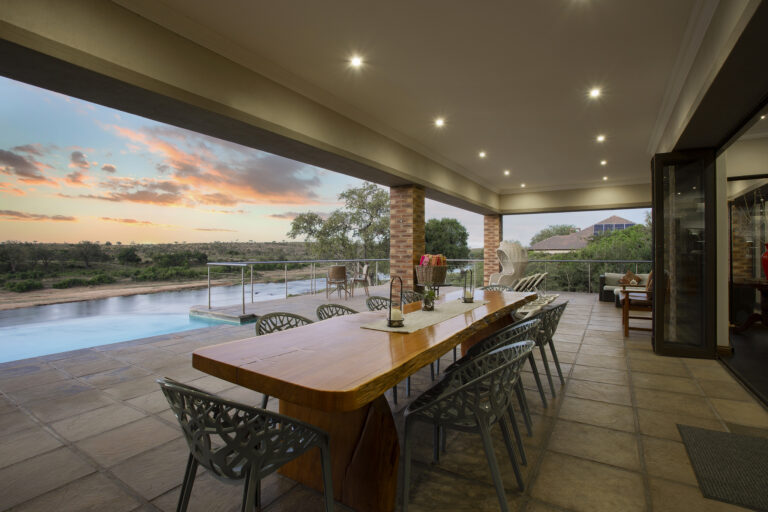
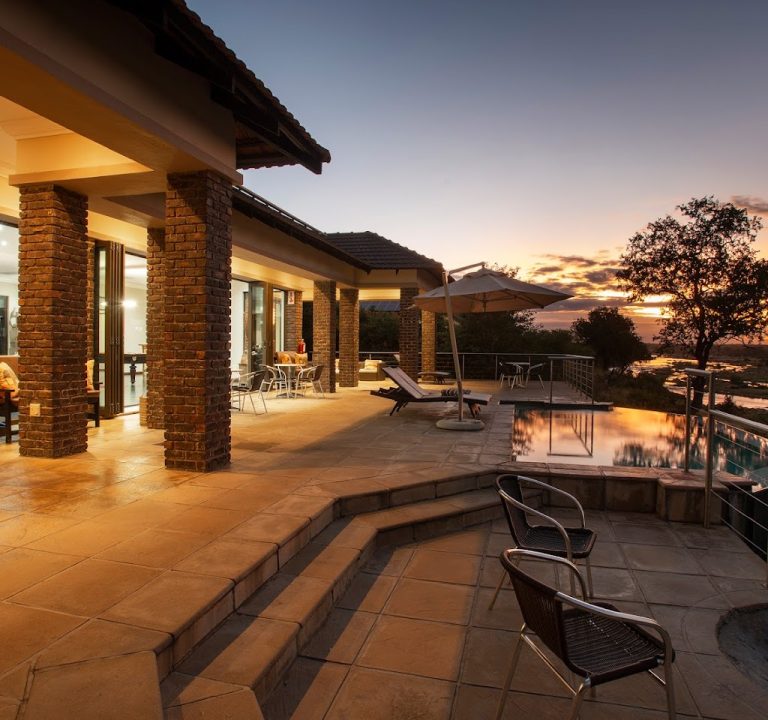
- Private terraces or balconies where you can observe elephants, monkeys and birdlife from a safe distance.
- Everyday conveniences such as in-unit kitchen facilities, laundry options, and reliable hot water.
- Safety features, including sturdy fencing, secure grounds, and clear guidance on animal safety protocols.
- Clear housekeeping schedules, and access to a responsive host or management team.
- Outdoor spaces suited to the length of your visit: a shaded veranda for afternoon siestas, or a windy, sheltered patio for cooler evenings.
- Flexible cancellation terms, especially if your plans hinge on weather or seasonal wildlife activity.
Typical amenities
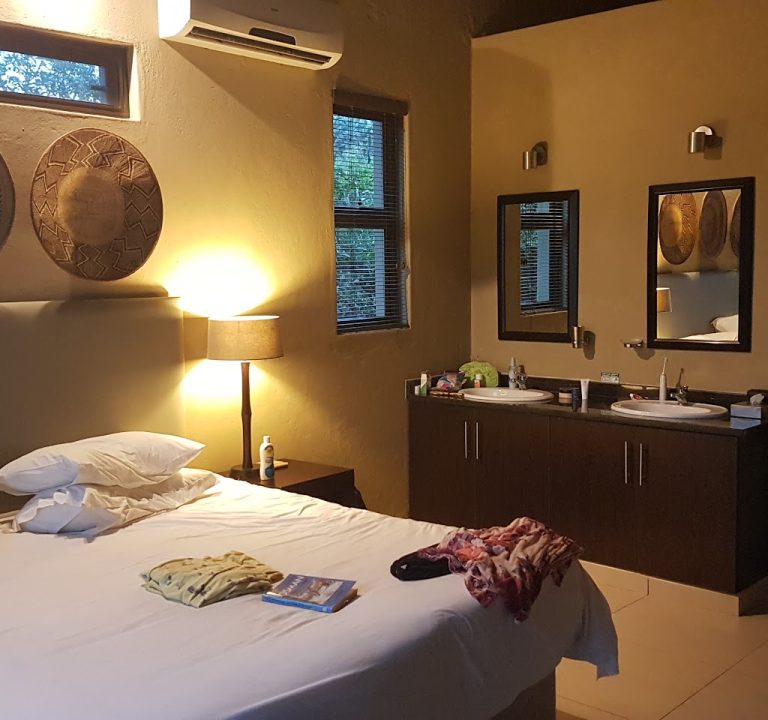
Most stays in Marloth Park aim to strike a balance between rustic charm and modern comfort. Common amenities include fully equipped kitchens, comfortable lounges with satellite television, and air conditioning or ceiling fans. Outdoor spaces are a highlight: private verandas with seating to watch the park’s resident fauna, barbecue facilities, and sometimes private pools. Heaters or blankets are useful for cooler months, and many properties provide binoculars and nature guides to help guests identify birds and mammals. For those seeking a more intimate experience, smaller lodges and boutique guesthouses often deliver personalised service, locally sourced meals, and curated wildlife talks.
Transport and getting around
The nature of Marloth Park means a car is the most convenient way to move between lodges, cafés, and incidental shops. Depending on your plans, you may want to arrange a guiding service or join a lodge-managed game drive for reliable wildlife sightings. Some properties offer airport transfer arrangements or can connect you with trusted local operators for day trips to Kruger or nearby nature reserves. Remember that access roads within Marloth Park can be uneven in wet seasons, so a vehicle with a modest ground clearance is advisable.
Best time to visit
South Africa’s climate offers distinct seasons. The dry winter months can be ideal for wildlife spotting as animals congregate around water sources, while the summer rains bring lush scenery and dramatic thunderstorms. Shoulder seasons often present quieter conditions and lower daily rates. If you are visiting with children or wildlife enthusiasts, plan for activity windows in the early morning and late afternoon, when animals are most active and the heat is more forgiving.
Practical tips
- Book early for peak periods, especially around school holidays and long weekends, as Marloth Park is a popular choice for wildlife-focused escapes.
- Confirm parking arrangements, inflight or airport transfer options, and whether late check-ins can be accommodated if you plan to arrive after dusk.
- Check whether your accommodation provides eco-friendly features, such as waste separation, solar power, or sustainable water management.
- Pack essentials for outdoor exploration: comfortable walking shoes, a light jacket for breezes near the river, sun protection, and a reusable water bottle.
- Respect wildlife by keeping a safe distance, adhering to property rules, and following any guidance provided by hosts or wardens on site.
Attractions and dining in general terms
Marloth Park itself offers a tranquil base from which to explore broader Mpumalanga highlights. Outside your property, you can expect guided walks, river cruises, and photographic safaris that showcase the region’s birds, big mammals and scenery. Many visitors combine a Marloth stay with day excursions to nearby reserves and Kruger’s southern gates, balancing relaxation with the adventure of broader wildlife experiences. Dining tends to lean towards rustic, family-friendly venues and lodges that specialise in hearty, uncomplicated meals suited to post‑safari appetites. Menus generally feature South African favourites alongside seasonal produce, with an emphasis on relaxed, social dining experiences.
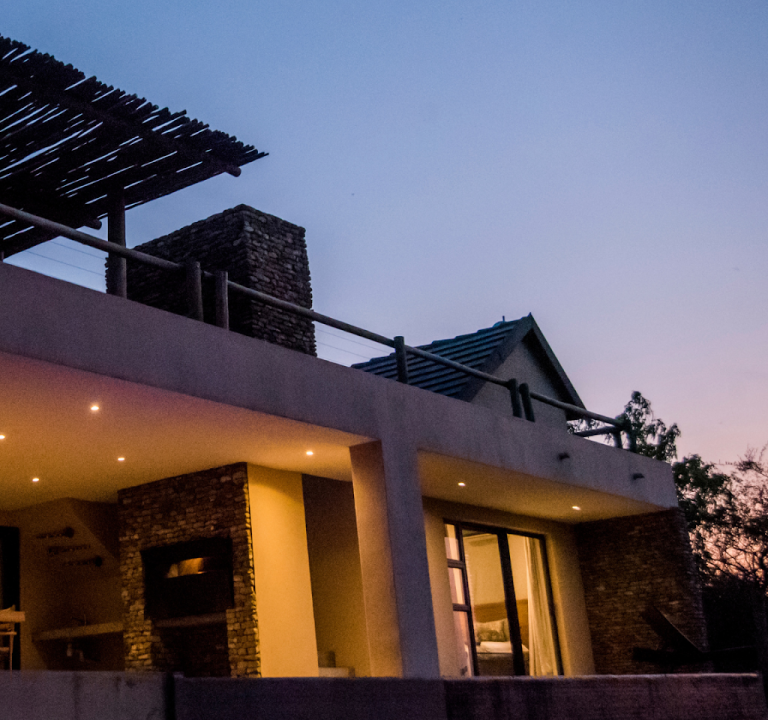
If you are seeking a comfortable retreat that still keeps you close to nature, Marloth Park offers a range of accommodation options with varying levels of luxury and rustic charm. An example of the kind of lodge you might encounter is Jacana River Lodge, which typifies the style of property that blends comfortable bedrooms, outdoor spaces for wildlife viewing, and access to guided activities. While specific facilities and offerings vary by property, the overarching aim is clear: create a welcoming base from which to enjoy Marloth Park’s natural beauty and to plan flexible, memorable days in Mpumalanga. For more inspiration, consider visiting reputable travel resources or the dedicated pages of individual lodges to learn about current experiences, seasonal activities, and dining options.