Accommodation and Experiences in Pretoria: Planning Your Stay in Gauteng
Pretoria, the administrative heart of Gauteng, blends leafy suburbs with modern city energy. When planning a visit, think about staying in one of the city’s distinct neighbourhoods to tailor your experience. Central districts offer easy access to historic sites and museums, while inner-city pockets provide a lively dining scene and boutique stays. Suburban areas such as Hatfield, Brooklyn, Menlo Park, Waterkloof and Arcadia pair convenient transport links with quieter streets and garden-facing Guest Houses, B&Bs and small hotels. For group travellers, places such as J Guest House can provide shared spaces and communal facilities that help teams or families stay close together.
What you look for in Pretoria accommodation depends on your itinerary. If your days will be spent exploring museums and memorials, you may prefer somewhere within easy reach of Arcadia and the central business district, with good public transport access and on-site parking. If you intend day trips to nearby wildlife parks or nature reserves, a base in the eastern suburbs or near Menlo Park can offer quieter evenings after full days out. Look for properties with clear access to reliable transport options, whether a short ride to a Gautrain station, easy Uber or taxi availability, or onsite parking if you’re driving.
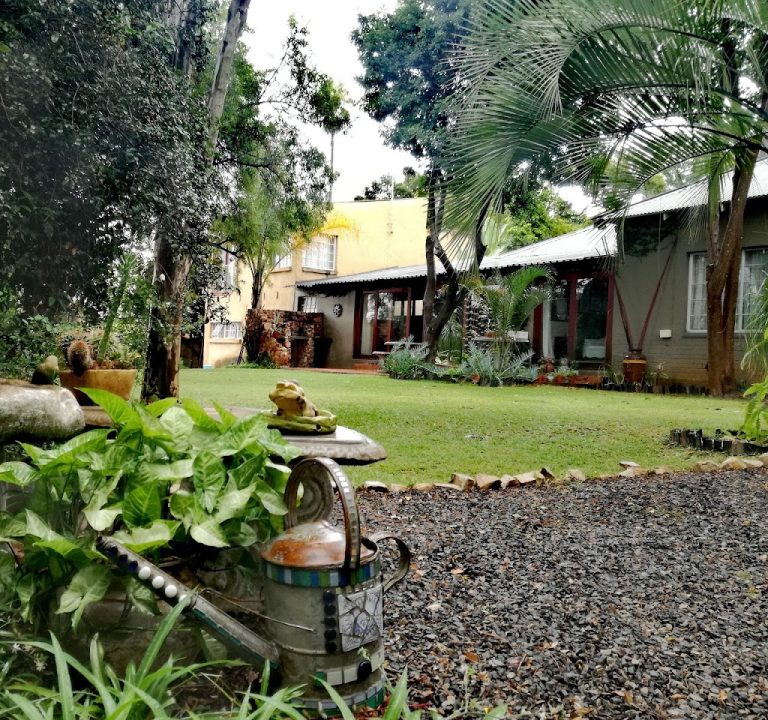
Typical amenities to expect include complimentary Wi‑Fi, secure parking, comfortable en-suite rooms, and a resident lounge or breakfast area. A number of Pretoria’s guest houses and small hotels offer self-catering facilities or a continental breakfast, which can be helpful for early starts. If you’re travelling with a group, consider properties with adaptable common spaces, such as a dining area that can double as a gathering room, or a patio and garden where guests can spread out. For longer stays, a kitchen or kitchenette is a practical feature to look for, especially in areas known for warm, social neighbourhoods where you’ll want to spend evenings in.
Transport is a practical factor in choosing where to stay. Pretoria’s MyCiti and other bus services are developing, but many visitors rely on radio taxis or ride-hailing apps. The Gautrain offers convenient links to Pretoria’s airports and to Johannesburg, making day trips to the city’s other attractions straightforward. If you intend to hire a car, ensure your accommodation has parking and easy access to major routes like the N4 or the M1 corridor. For guests without a car, opt for locations near main streets with reliable local transport and walkable options to cafés, small eateries and markets.
Best time to visit Pretoria depends on your goals. The city enjoys a dry winter season from May to August, which is ideal for outdoor sightseeing and comfortable daytime temperatures. Spring (September to November) brings colourful jacaranda blooms and is a popular time for photography and walking tours. Summer can be warm and occasionally stormy, while autumn offers still-warm days with cooler evenings. If you want to combine cultural tours with food experiences, aim for spring or autumn when the city’s parks and streets feel most inviting, and plan ahead for any major public events that may affect traffic or accommodation demand.
When planning a stay, several practical considerations help ensure a smooth visit. Book with flexible cancellation where possible, especially if your plans may shift. Check the host’s or hotel’s policies on breakfast service, late check-in, and housekeeping frequency. If you’re particular about connectivity, confirm the presence of strong Wi‑Fi in the rooms and public areas. For groups, ask about the number of bathrooms per room, the availability of common spaces, and whether there are shared kitchen facilities or laundry services. If you travel with children or elderly guests, verify that the premises offer safe outdoor spaces and convenient access routes with minimal stairs.
Attractions and experiences in Pretoria span history, culture, and nature. The city offers a wealth of museums and memorials that illuminate South Africa’s past, complemented by its botanical gardens and urban parks. For a relaxed day, you can explore a large green space or a heritage precinct, then discover a range of dining options that reflect a mix of traditional South African fare and modern, cosmopolitan dishes. Pretoria’s restaurant scene generally emphasises fresh local ingredients, vibrant flavours, and options suitable for various dietary preferences. Pair your meals with a stroll through nearby markets or shopping streets, and leave room for a sunset view from a rooftop or garden setting.
If you’re seeking guidance, reputable sources and official pages offer practical checklists, neighbourhood details, and suggested itineraries. General information about Gauteng and Pretoria’s visitor experiences can help you plan a balanced itinerary that blends accommodation with accessible day trips and relaxed evenings. For booking inspiration and practical planning, consider consulting regional tourism sites and established travel guides that cover neighbourhood highlights, transport tips, and seasonal events. Websites for accommodation providers and local experiences can also provide details on room configurations, communal spaces, and the types of experiences guests typically enjoy.
In short, Pretoria is well suited to a flexible stay that blends heritage quests with modern comfort. By choosing a well-situated base in a pleasant neighbourhood, prioritising practical amenities, and allowing time for both structured tours and spontaneous discoveries, you’ll be well placed to enjoy the city’s rhythm. Whether you’re travelling as a family, with friends in a group setting, or on a short business trip, Pretoria offers a range of accommodation options and neighbourhoods that can be tailored to your plans. For more ideas and up-to-date information, explore official tourism pages and the websites of individual properties such as J Guest House and other guesthouses or small hotels in the area.