Discover Johannesburg: where to stay, what to see, and how to plan a memorable visit
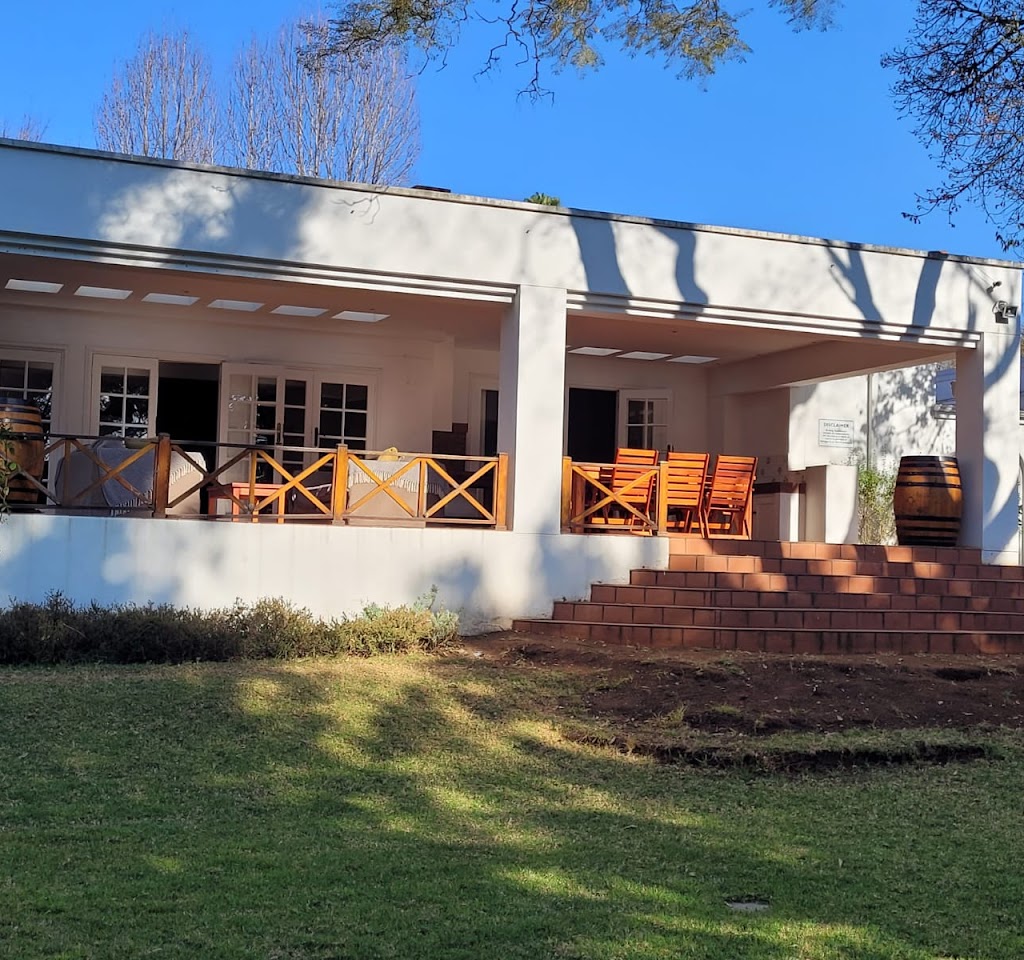
Johannesburg, often simply called Jo’burg or Jozi, offers a dynamic mix of historic neighbourhoods, modern conveniences and vibrant street life. When choosing accommodation, consider not just the room, but the ambience, safety, and proximity to the attractions that matter most to you. Whether you prefer a boutique guest house tucked behind leafy streets, a stylish hotel in a bustling precinct, or a cosy lodge with easy access to the city’s surrounds, there are plenty of options to suit different itineraries and budgets.
Where to stay can shape your JHB experience. The city is a patchwork of diverse areas, each with its own character. Sandton is ideal for shoppers and business travellers, with high-end lodgings and straightforward transport links. Braamfontein and Maboneng offer design-forward stays and a walkable city vibe, with galleries, cafes and nightlife within easy reach. Rosebank combines convenience and leafy streets, plus a convenient Gautrain connection to the airport and northern suburbs. For a more residential feel, Melville, Emmarentia and surrounding neighbourhoods provide a laid-back atmosphere with cafe culture and slightly lower key prices. Consider staying close to a Gautrain station if you plan day trips or longer drives, as it can save you time and reduce urban congestion during peak hours.
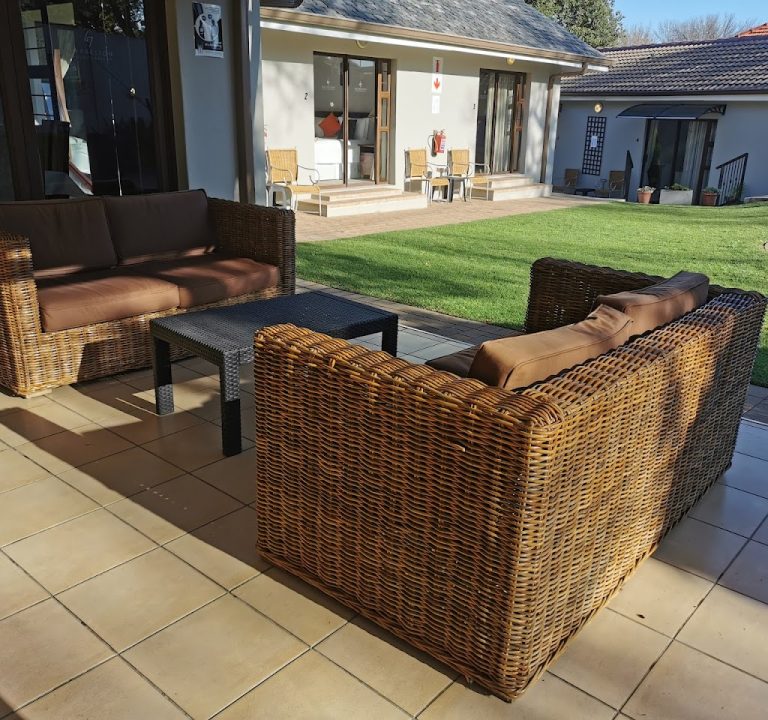
Typical accommodation features to look for when booking include reliable wifi, air conditioning or good ventilation, complimentary tea and coffee, and secure parking if you’re driving. If you’re travelling in a group or with family, an apartment-style room with a small kitchen can be convenient and economical. Mid-range guest houses and boutique hotels often offer personalised service, a communal lounge or courtyard, and breakfast options crafted with local produce. For longer stays, inquire about laundry facilities, luggage storage, and whether the property can arrange transportation from the airport or to nearby attractions.
Transport in Johannesburg is generally straightforward, though you’ll notice greater convenience with a vehicle or a trusted driver for non-metro routes. The Gautrain rail link is a popular option for safe, efficient travel between the airport and key hubs such as Sandton and Rosebank. In the city, rideshailing services are widely used, and many hotels assist guests with arranging transfers or local tours. If you prefer public transport, plan for extra time during peak hours, and confirm that your accommodation offers easy access to a taxi stand or ridesharing pick-up point.
Best time to visit Johannesburg depends on your plans. The city experiences a mild winter and a warm, sometimes rainy summer. Winter (May to August) can be a comfortable period for outdoor city walks and museum visits, with cooler evenings that are ideal for dining out. Summer (November to March) brings daily highs in the warm range and occasional afternoon thunderstorms; this season is great for enjoying parks, markets, and outdoor events, but pack a light rain jacket and be prepared for sudden showers. If you’re aiming to capture city views, early morning light often makes for striking photography around the central hills and urban parks.
Attractions and experiences in Johannesburg are broadly varied and can be enjoyed at a relaxed pace. Culture and memory are central themes in many places, from museums and galleries to heritage sites that reflect South Africa’s complex history. For a flavour of the city’s contemporary energy, explore urban precincts with artisan markets, vintage shops and street art. If nature calls, nearby green spaces and botanical gardens provide easy escapes. A day trip or organised tour can include a combination of city sights and a dash into surrounding areas, offering a broader sense of the region’s landscape and communities. When planning, balance indoor and outdoor activities to avoid overheating in summer or extreme chill in winter, and keep a flexible schedule for seasonal events or temporary exhibitions.
Dining in Johannesburg ranges from bright casual spots to refined eateries that showcase local ingredients. Many guest houses and hotels curate breakfast offerings or partner with nearby venues to provide easy access to meals. For evenings, you’ll find a spectrum of options: modern fusion cuisine, classic South African fare, and international choices across neighbourhoods. Rather than focusing on single names, seek neighbourhood hubs where several reputable restaurants cluster, making it easy to stroll between options after a day of sightseeing.
Practical planning tips for a smooth stay:
- Research neighbourhoods in advance and map favoured attractions to close lodging, reducing travel time.
- Check cancellation policies and what is included with your booking, such as breakfast or access to a shared kitchen.
- Ask about security measures, on-site parking, and whether the property offers safe storage for luggage after check-out.
- If you rely on public transport, verify proximity to bus routes or rail links and consider taxi or rideshare access from the accommodation.
- Pack versatile layers for varying temperatures and a lightweight rain jacket for summer showers.
- Respect local etiquette and dress codes for dining venues and cultural sites.
- Before arrival, confirm any special requirements, such as dietary needs or accessibility needs, to ensure your hosts can help.
For a well-rounded stay, consider combining a comfortable base with planned days that mix museums, markets, city walks and relaxed meals. Johannesburg’s guest houses and boutique lodges, with their personalised service and location-aware recommendations, can be a reliable home from home while you explore the city and its surroundings. Explore local attractions at a pace that suits you, and you’ll leave with a sense of the city’s generous energy and its layered, urban charm.