Accommodation and ways to enjoy Cape Town: planning a stay in the Mother City
Cape Town offers a diverse tapestry of places to stay, from intimate B&Bs tucked on leafy slopes to stylish hotels with harbour or mountain views. When planning a visit, consider which neighbourhood will shape your days and mood: the buzz of the city centre and V&A Waterfront for easy dining and nightlife, the iconic coastline of Camps Bay and Clifton for beach days, or the leafy tranquillity of Constantia for wine–landside charm. Each area has its own character, accessibility, and pace, so choosing a base that aligns with your plans helps you make the most of your time.
Booking tips and typical amenities
- Look for natural light, comfortable bedding, and reliable Wi‑Fi, as these are everyday conveniences that support both relaxation and online planning.
- A guesthouse or boutique hotel in a quieter street near main routes can offer a calm retreat while still being within easy reach of sights.
- Check parking arrangements if you plan to hire a car, or confirm proximity to public transport if you prefer not to drive.
- Breakfast options vary from continental to full cooked breakfasts; some properties also offer light meals or coffee stations throughout the day.
- Facilities to look for include secure access, a gym or pool, and staff who can assist with local advice, restaurant reservations, and day trips.
Neighbourhoods worth considering
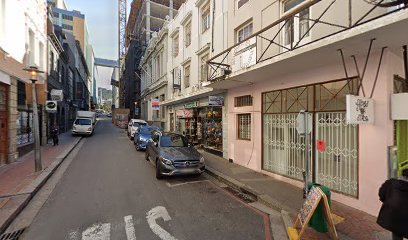
- The City Centre and De Waterkant (often known as the Cape Quarter area) provide a central hub for walking to museums, galleries, and restaurants, with easy access to hop-on/hop-off tours and the MyCiTi bus network.
- V&A Waterfront combines modern accommodation with harbour views, convenient dining, and waterfront strolls, while still serving as a gateway to boat trips and harbour activities.
- Green Point and Sea Point offer a seaside vibe with promenade walks, scenic views, and a range of mid-range to premium hotels, often close to coastal trails and parks.
- Camps Bay and Clifton sit along a dramatic coastline with white-sand beaches and cliffside hotels, ideal for sun, sunset views, and more tranquil nights.
- Constantia Valley provides a switch to wine country, with guesthouses and boutique hotels set among vineyards and colonial-era estates, ideal for a slower pace and day trips to the winelands.
Transport and getting around
Cape Town is well connected by a modern bus network in the city and surrounding areas, and ride‑hailing services are widely used. If you plan day trips to the Winelands, Cape Point, or easier access to popular beaches, a car is convenient, though many hotels can arrange guided tours or transfers. Staying near a taxi or rideshare hub can save time, especially for evening dining and theatre outings.
Best time to visit and practical planning
- Peak season runs in the Southern Hemisphere summer (roughly November to March), when the weather is warm and beaches are inviting. Expect more crowds and higher accommodation prices.
- Shoulder seasons (April–May and September–October) offer milder weather, calmer beaches, and better value while still delivering plenty to do.
- Winter (June–August) brings cooler temperatures and occasional rain, but you can still enjoy vibrant city life, fewer crowds, and the green landscapes of the surrounding hills.
- Whatever the season, plan in advance for popular experiences such as Table Mountain cable car visits, nature reserves, and guided tours to Robben Island or the Cape Peninsula, particularly during holiday periods.
Experience ideas and dining generalities
- Plan a mix of natural beauty, culture, and cuisine. Iconic sights can be enjoyed from viewpoints on the Atlantic Seaboard, the rolling slopes of Table Mountain, and the powdery sands of nearby beaches.
- Dining ranges from casual cafés and brunch spots vibing with the day’s light to more refined restaurants showcasing South African flavours and international influences. Many areas offer walkable dining districts with a concentration of choices.
- For day trips, consider wine routes in nearby Stellenbosch or Franschhoek, a scenic drive along coastal roads, or a visit to nature reserves with opportunities for hiking, wildlife viewing, and photo-worthy scenery.
- Practicalities for eating out: most places operate with flexible dining hours, but reservations are wise on weekends and in popular corridors; many venues publish menus online and accept bookings via their websites.
A practical checklist for a balanced stay
- Confirm room type, bed configuration, and whether a balcony or view is included.
- Check for self-catering options in case you prefer some meals in, alongside on‑site breakfast facilities.
- Verify accessibility features if needed, such as lifts or ground-floor rooms.
- Request local insights on safe areas, parking options, and the best times to visit top attractions to avoid crowds.
- Consider combining a city stay with at least one winery visit or coastal excursion to add a memorable, varied rhythm to your itinerary.
Visitor experiences and resources
- A stay in Cape Town is complemented by easy access to information and guided options. For further planning, you can explore official tourism resources and city guides that highlight activities, routes, and seasonal events.
- When ready to book, check the accommodation’s own website for direct offers, packages, or loyalty benefits, and compare with reputable aggregators to find the best combination of price, location, and cancellation policy.
- If you’re seeking inspiration, reputable tourism sites often feature itineraries and neighbourhood guides to help you customise your stay around markets, beaches, and heritage spots.
Useful links
- Cape Town Tourism: https://www.capetown.travel
- City tours and experiences guide: https://www.capetown.travel/things-to-do
In short, Cape Town rewards visitors who plan with both flexibility and curiosity. By selecting a base that suits your pace, reserving lodging that aligns with your comfort needs, and pairing iconic sights with leisurely meals and scenic experiences, you can craft a stay that is as sensational as the city itself.