Accommodation and Attractions in Kriel, Mpumalanga: Planning Your Stay
Nestled in Mpumalanga’s inland region, Kriel offers a relaxed base for travellers seeking a quieter South African experience away from the more crowded tourist hubs. The town and surrounding countryside provide simple, comfortable accommodation options that emphasise hospitality and convenience. When planning a stay, think about how you want to spend your days: whether it’s restorative rest, short excursions into the countryside, or day trips to nearby towns and nature reserves. A well-chosen base can make your visit more enjoyable, affordable and easy to navigate.
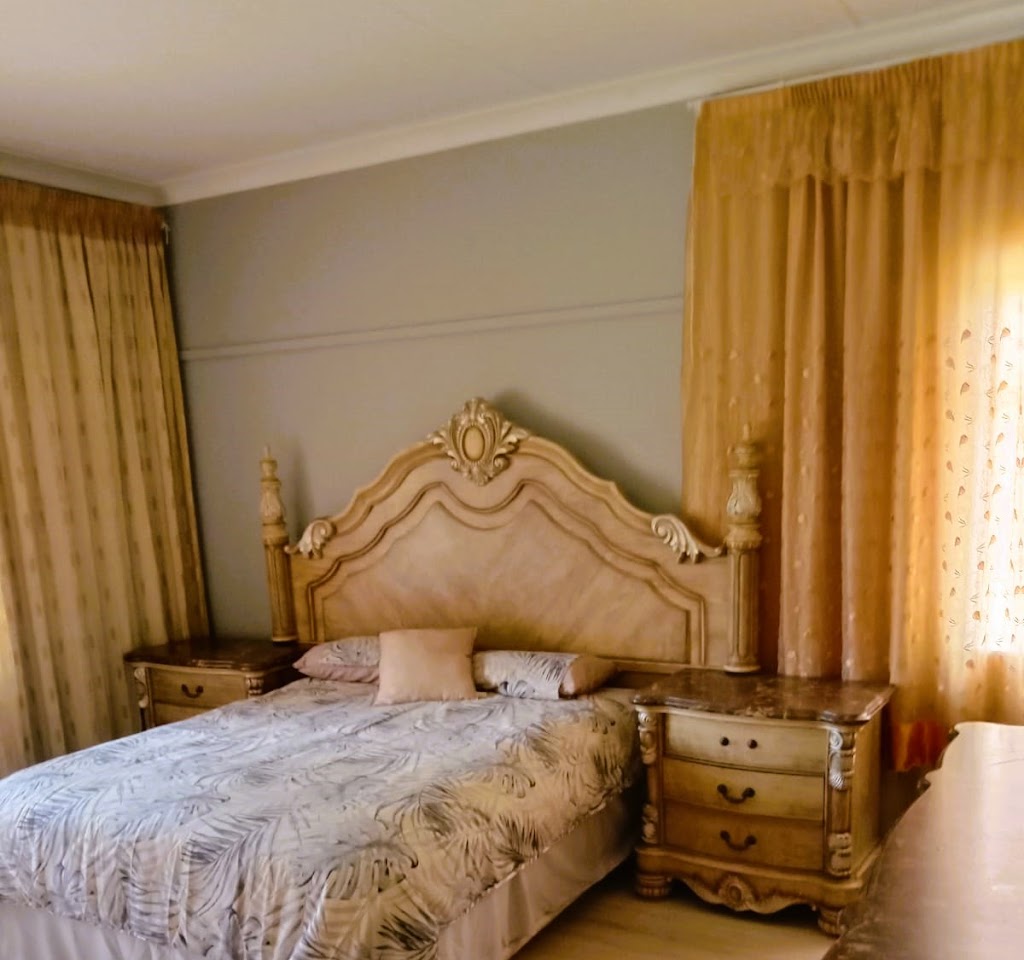
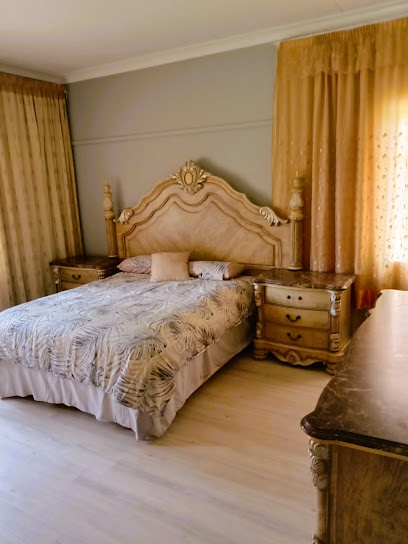
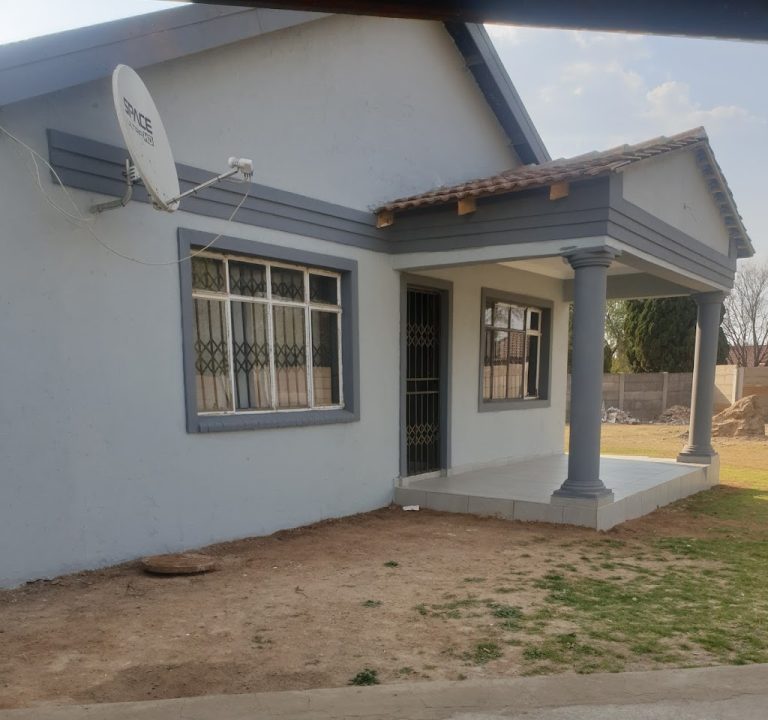
Accommodations in and around Kriel range from guest houses and cosy B&Bs to small lodges and self-catering units. If you value a personal touch and local insight, a family-run guest house often offers a warm welcome, a helpful knowledge of the area, and convenient on-site amenities. One example in the region is Inn Good Hands Guesthouse, positioned to provide returning guests with a comfortable stay and friendly service. When selecting a place to stay, consider the following practical aspects to make the most of your visit.
Areas to consider within or near Kriel include the town centre for easy access to shops and light meals, nearby rural routes for countryside views, and any exit routes that connect you to larger towns or parks. If you plan to drive, a guest house with clear parking arrangements and direct access to major roads can save time and reduce stress. For those relying on public transport, check proximity to bus routes or local taxi services, and confirm whether the establishment can assist with airport or rail transfers if needed.
Typical on-site amenities to look for include secure parking, reliable Wi‑Fi, and comfortable guest rooms with private or en-suite facilities. A good breakfast option is a plus, helping you start early for day trips. Simple kitchen facilities or a communal lounge can add flexibility, especially for travellers who prefer self-catering or a place to unwind with a cup of tea after a day of exploring. Accessibility features and family-friendly room configurations are also worth noting if you’re travelling with children or guests with mobility concerns.
Best time to visit Mpumalanga generally centres on milder weather and outdoor appeal. Winters (May to August) are typically dry and cool, which can be ideal for long drives and outdoor activities in the mornings and evenings. Summers (November to March) bring warmer days and the possibility of afternoon showers. If your plan includes nature-watching or drives through countryside scenery, shoulder seasons often offer pleasant conditions with fewer crowds and competitive rates. Always check local weather patterns before you travel and pack accordingly, including a light waterproof layer for late-afternoon showers or chilly evenings.
In terms of planning your itinerary, consider a blend of local experiences and easy day trips. While Kriel itself is a quieter base, the surrounding Mpumalanga province is famed for its landscapes and wildlife experiences. Practical day plans might include gentle countryside drives, visiting nearby farms or artisans, and enjoying relaxed meals at family-run eateries or village cafés. For more formal outings, you could explore nature reserves or private reserves within convenient driving distance, where guided walks or short drives can reveal regional flora and fauna in a calm, unhurried setting. When arranging activities, confirm timings and whether activities are suitable for all members of your party, especially if you are travelling with children or older relatives.
Dining options near accommodation typically range from modest eateries serving hearty South African fare to cafés offering light meals and refreshments. In rural or small-town settings, a meal at a guest house or a local family-run restaurant can be a memorable, low-key experience, giving you a taste of regional hospitality and seasonal ingredients. If you prefer self-catering, many guest houses provide kitchen facilities or communal spaces where you can prepare meals using local produce sourced from nearby markets or farms.
Transport tips to keep in mind include planning for secure parking, whether you intend to explore the area by car or rely on occasional local taxis. A vehicle can be especially beneficial in Mpumalanga, where attractions are spread out and public transport options may be limited in rural zones. Check the distance to key towns and the expected travel times, keeping a flexible schedule to accommodate seasonal road conditions or sudden weather changes. Having a rough plan for morning departures and a backup option for meals can reduce daily stress and help you make the most of your stay.
For practical tips, bring a travel-friendly power adaptor, a lightweight rain jacket, and comfortable walking shoes. Pack light layers to adapt to varying temperatures between day and night, and carry a small bag for daily excursions. Before you depart, confirm your booking details, including check-in procedures and any site-specific policies such as courtesy hours for common areas or guest kitchens. Finally, respect local customs and environments—supporting small businesses and staying mindful of nature enhances your experience and preserves the charm of Mpumalanga for other travellers.
- Look for secure parking and clear driving directions from your accommodation.
- Check for essential amenities such as Wi‑Fi, breakfast options, and en-suite baths.
- Consider proximity to roads and towns for easy day trips and meals.
- Assess suitability for children or guests with mobility needs.
- Plan for varying weather and seasonal road conditions with appropriate clothing.
While you plan your stay in Kriel, explore the wider Mpumalanga region for a sense of the province’s calm landscapes and hospitality. Whether you prioritise a restful backdrop from which to explore, or a base for discovering nearby attractions, careful selection of where you stay can greatly enhance your experience of this scenic corner of South Africa. For more inspiration and practical guidance, you may wish to consult regional tourism resources and local guest houses’ own websites.