Discover Cape Town: the right stay, great areas, and a wealth of experiences
Cape Town is a destination where stylish accommodation sits alongside iconic scenery, world‑class dining, and a calendar of outdoor adventures. From intimate guesthouses in leafy neighbourhoods to ocean‑view hotels along the Atlantic Seaboard, the city offers a wide range of places to stay that suit different budgets and plans. When planning a visit, it helps to think about which neighbourhood will frame your experience, what amenities you value, and how you will get around the city and its surrounds.
Two broad approaches often work well. A stay centred on the City Bowl or the V&A Waterfront keeps you within walking distance of museums, markets, and theatre, with easy access to tours and transfers. A stay along the Atlantic Seaboard, covering areas such as Sea Point, Bantry Bay, and Camps Bay, tends to deliver dramatic sea views, beach access, and a calmer pace for days after your city adventures. For a wine‑country day trip, consider lodging close to the Constantia Valley or elsewhere in the southern suburbs, where easy drives lead to Cape Town’s world‑famous wine estates and gardens.
When you are choosing accommodation, here are some practical points to consider. Look for en‑suite bathrooms, quiet rooms, reliable Wi‑Fi, and good natural light. If you plan to explore early each morning or return late, secure parking or easy taxi access is valuable. Book a place with options for breakfast or kitchen facilities if you want flexibility. Some guests appreciate a host or concierge who can help arrange activities—such as a Table Mountain cable car trip, a guided township visit, or a wine‑tasting day in the Winelands. For travellers seeking a distinctly local feel, boutique guesthouses and lodges often offer a personalised welcome that larger hotels may not provide.
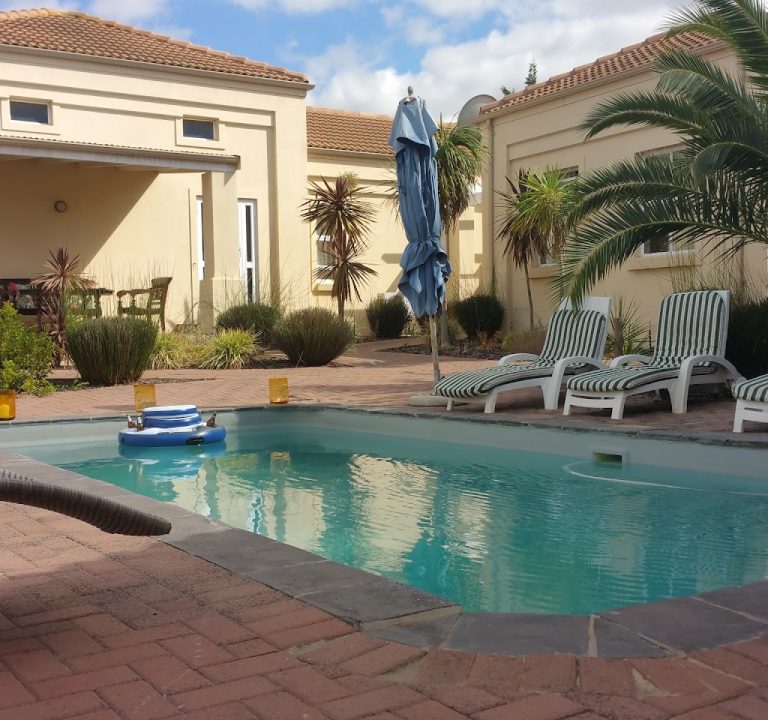
Accommodation in Cape Town ranges from contemporary city hotels and boutique guesthouses to more characterful lodges inland. For example, Ingadi Lodge is a name you may encounter when exploring the city’s varied options. Properties of this type typically balance thoughtful design with comfortable rooms, helpful staff, and access to nearby eateries or markets. When researching, compare room sizes, bed configurations, and whether the property offers flexible cancellation policies, which can be especially useful if your plans shift.
Transport within Cape Town is practical but planning ahead helps. The MyCiTi bus network is a popular option for city travel and offers routes between key areas, while ride‑sharing services and reputable taxi operators provide convenient door‑to‑door transfers. If you plan day trips to the Cape Peninsula, the Cape Winelands, or nearby towns, renting a car can offer the most freedom. Many guesthouses and hotels provide parking, which is convenient if you intend to drive yourself to beaches, viewpoints, and hiking trailheads.
The best time to visit Cape Town depends on what you want from your trip. The city enjoys a mild climate for most of the year, with the southern hemisphere summer (roughly December to February) being lively, sunny, and ideal for beach days. Spring (September to November) and autumn (March to May) offer pleasant temperatures for outdoor activities and more comfortable city touring, often with fewer crowds than the peak season. Winter (June to August) brings cooler, wetter weather but can still be enjoyable, especially with a focus on indoor experiences such as museums, galleries, markets, and dining indoors with a view.
Within the city, there are many attractions and experiences that appeal to a wide range of travellers. Natural‑landscape highlights include easy access to sweeping viewpoints, dramatic coastlines, and the possibility of cable‑car or guided hikes up and around Table Mountain. Cultural experiences often involve visiting historic sites, markets, and gardens that showcase the region’s biodiversity and heritage. For those who enjoy food and drink, Cape Town’s restaurant scene emphasises seasonal produce, fresh seafood, and global influences, with many eateries offering outdoor seating and sea‑view settings. Visitors can also arrange a day trip to the Cape Winelands for a wine‑tuelled excursion, or take a scenic drive along the peninsula to marvel at alpine‑like scenery meeting the sea, with chances to see penguins at some coastal reserves.
Practical tips for a smooth stay. Book accommodation with flexible cancellation if your plans may change. Check transport options from your base—whether you will use the MyCiTi network, taxis, ride‑hailing apps, or a rented car—and plan how you’ll reach early morning activities. Pack layers to accommodate rapid weather changes, and bring a compact day pack for outings to beaches, markets, or hiking trails. Safety is important in any city; keep valuables secure, use well‑lit areas after dark, and arrange trusted transport for longer journeys. When dining, tipping is customary in line with local service norms. Finally, consider a couple of guided experiences or self‑drive day trips to see more of the diverse landscapes within easy reach of Cape Town, from coastal towns to winelands and nature reserves.
Whether you seek a modern city base, a seaside retreat, or a countryside escape within reach of Cape Town’s highlights, the right accommodation can anchor a memorable visit. With careful planning around location, amenities, and transport, you can tailor a stay that fits your interests and makes the most of the Western Cape’s beauty and hospitality.