Accommodation and travel guide for Lephalale, Limpopo
Lephalale, tucked between the Waterberg and the steel-blue skies of Limpopo, offers a relaxed base from which to explore the region’s natural beauty and rural charm. Whether you are travelling for a short weekend break, a family gathering, or a longer nature-focused stay, the area provides a range of accommodation options that can suit different budgets and styles. Inca Lily Lephalale, a guest house with a reputation for warm hospitality, is one example of the kind of friendly and comfortable stays you can expect in this part of South Africa.
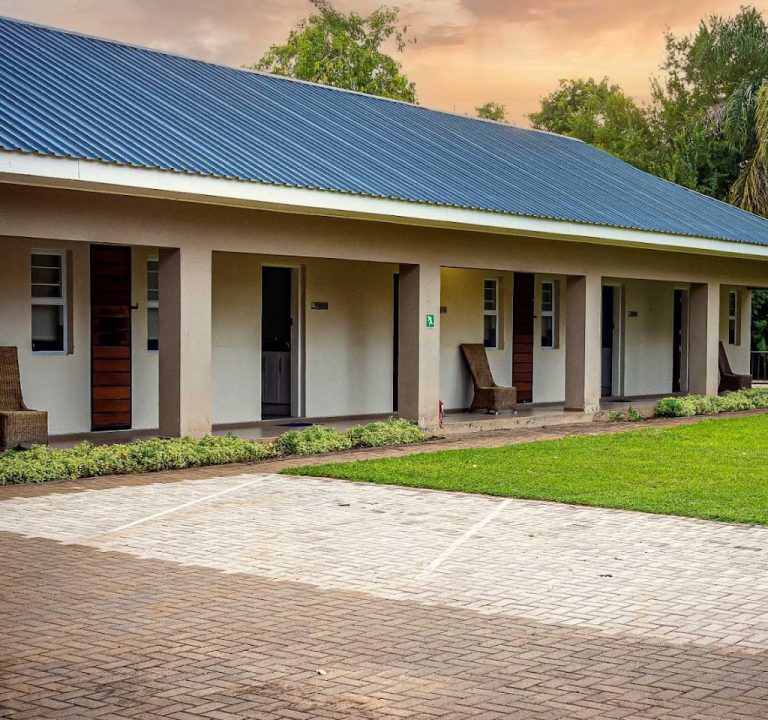
When planning a stay, start by choosing where to base yourself. Inca Lily Lephalale and similar guesthouses sit close to the town centre and key access roads, offering convenient amenities and a sense of local life. If you prefer a more tranquil setting, consider lodges and guesthouses on the outskirts of the town or near wildlife reserves. These locations often provide easier access to nature activities while still being within easy reach of shops, eateries, and service stations. Think about how much time you want to spend in the room versus outdoors, and whether you favour self-contained units, full board, or flexible meal arrangements.
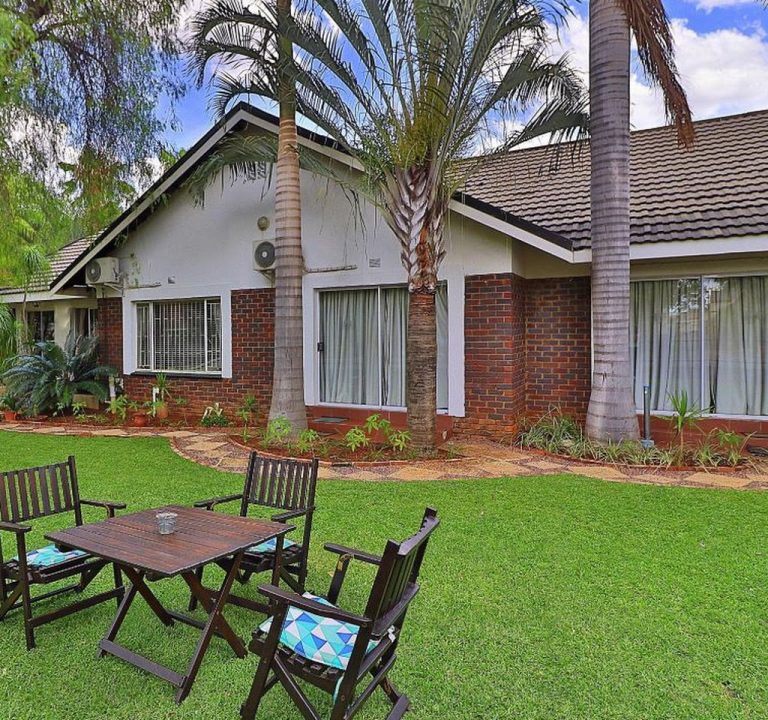
Typical amenities to look for include reliable air conditioning or ceiling fans (the Limpopo climate can be warm and humid in the summer), secure parking, and daily housekeeping. Many guest houses offer either self-catering facilities or on-site dining, which can be a pleasant convenience for families or groups. If you rely on Wi‑Fi, confirm availability and bandwidth, especially if you plan to work remotely during a longer stay. A refreshing pool, shaded outdoor spaces, and comfortable communal areas are nice touches for downtime between day trips. Accessibility and child-friendly features are also worth checking if you are travelling with young children or guests with limited mobility.
Transport is a practical consideration in Lephalale. The town is typically reached by road from major centres to the north or south, with car hire widely available at regional hubs. A rental car is often the most convenient way to explore the surrounding landscapes, reach nearby game reserves, and visit local farms or markets. If you are flying in, you may need to arrange a road transfer or self-drive from the nearest convenient airport or airstrip. Pack smart for the rural terrain: dust covers for luggage, insect protection, and a basic first-aid kit can be helpful. It’s also wise to confirm directions and estimated travel times with your host prior to arrival, as rural routes can vary with weather and roadworks.
Choosing the right accommodation for your plans is about balancing location, pace, and value. If your days include lengthy drives to wildlife areas or adventure activities, a comfortable, well-equipped base with good security and a reliable water supply is essential. For those who want more evenings in, look for guest houses with welcoming dining spaces, a social vibe, or a small on-site restaurant. If you anticipate early starts for game drives or sunrise walks, a room with a peaceful environment and a hearty breakfast option can set you up well for the day.
Best time to visit Lephalale hinges on weather and wildlife experiences. The dry season, typically from May to October, brings cooler mornings and clearer skies, making it ideal for game viewing and outdoor activities. The wet season, from roughly November to March, can bring dramatic afternoon storms and lush landscapes, but higher temperatures and humidity can affect comfort and road conditions. If your plans are photography-based or wildlife-centric, consider the shoulder months when crowds may be lighter and animal sightings recurring just outside peak heat.
Attractions and experiences tend to be nature-forward rather than icon-centric. The Waterberg region nearby offers striking escarpment scenery, walks, and wildlife encounters in settings that feel expansive and gently remote. In Lephalale itself, expect slow-paced days that blend rural culture with natural beauty: scenic drives, farm stalls, and opportunities to learn about local conservation efforts. For meals, most lodging options provide on-site dining or recommended nearby venues where you can enjoy approachable, well-prepared dishes. If you are seeking a broader dining scene or a wider selection of eateries, plan for a short trip to larger towns in the area or explore seasonal options at local markets and guesthouse kitchens. Always check current hours and offerings in advance, as small businesses may vary seasonally.
Practical tips for a smooth stay:
- Confirm check-in and check-out times and any self-catering arrangements before arrival.
- Ask hosts about recommended day trips, safe routes, and any seasonal road conditions.
- Bring layers for variable temperatures between mornings, afternoons, and evenings.
- Pack basic insect protection and a compact first-aid kit for rural excursions.
- Plan a balanced itinerary that blends outdoor activities with downtime at your accommodation.
For planning and booking, look for properties with transparent policies, clear photographs, and recent guest reviews. Websites of individual guest houses or lodges often provide detailed information about room types, dining options, and local recommendations. If you are exploring the region for the first time, use the guest house as a local contact—hosts are typically well-placed to suggest safe, welcoming experiences and to tailor your stay to your interests. Lephalale and its surrounds offer a peaceful base from which to absorb Limpopo’s natural beauty and rural hospitality, with comfortable accommodation, practical transport options, and a gentle pace that invites you to slow down and savour South Africa’s timeless landscapes. For more information, you can visit regional tourism pages and the websites of participating guest houses and lodges in the area.