Phalaborwa, Limpopo: where to stay and what to do for a well-rounded visit
Phalaborwa sits in the Limpopo province and is often described as a convenient gateway to the northern reaches of the Kruger National Park. The town offers a thoughtful mix of self-catering retreats, guesthouses and lodges that suit families, couples and travellers seeking a relaxed base from which to explore the region. When planning a stay, consider the convenience of staying near the town centre for easy access to shops and dining, or choose a more secluded setting closer to rivers and nature reserves for a quieter escape.
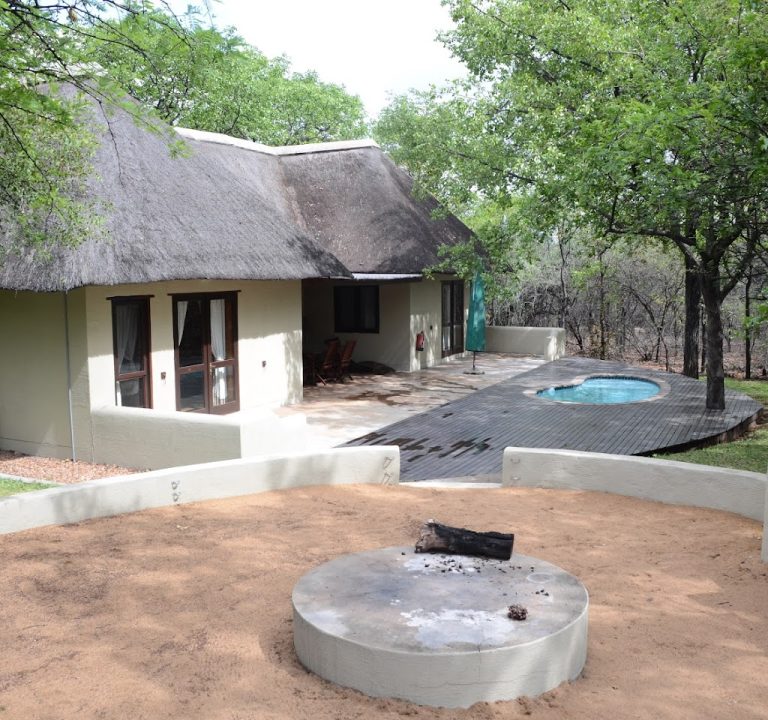
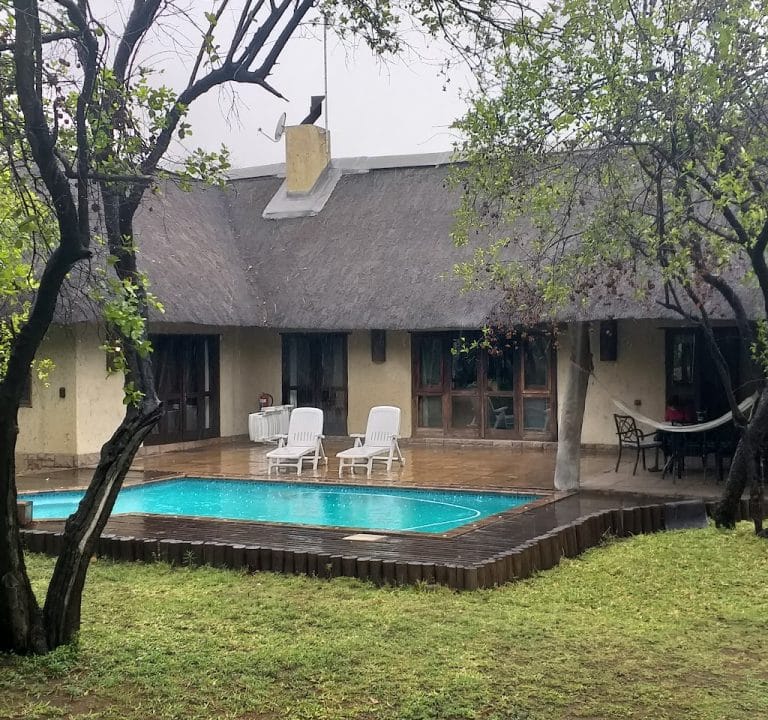
Accommodation in Phalaborwa spans several styles. Self-catering options provide the flexibility to cook your own meals after long days on safari, while guesthouses and lodges may offer breakfast as part of a package. If you’re travelling with a group, a larger self-catering unit can be both economical and convenient, letting you tailor activities around a shared kitchen and living space. One example worth examining is Impisi Accommodation, a self-catering option marketed for its practical comfort and convenient access to nearby attractions. For more information, visit the provider’s official site: Impisi Accommodation.
Areas to consider when booking include:
- Near the town centre: convenient for shops, markets, and eateries, with a short drive to wildlife experiences.
- Along the Sabie River or surrounding nature reserves: often more peaceful and closer to birdlife and scenic views, but with fewer immediate amenities.
- Close to Kruger Park entrances: ideal if your primary aim is daily safari drives, though prices may reflect the premium location.
What to look for when booking
- Size and layout: ensure the accommodation can comfortably house your party, with appropriate sleeping arrangements and bathrooms.
- Kitchen facilities: check how fully equipped the kitchen is for self-catering, including a fridge large enough for your groceries and cooking equipment for easy meal preparation.
- Ventilation and cooling: Phalaborwa can be warm; look for air-conditioning or reliable fans, especially for stays in the peak heat months.
- Security and parking: verify secure parking and accessible entry, particularly if you plan early-morning or late-evening wildlife excursions.
- Water and electricity reliability: regional supplies can vary, so confirm contingencies like backup power or water storage if staying off-grid.
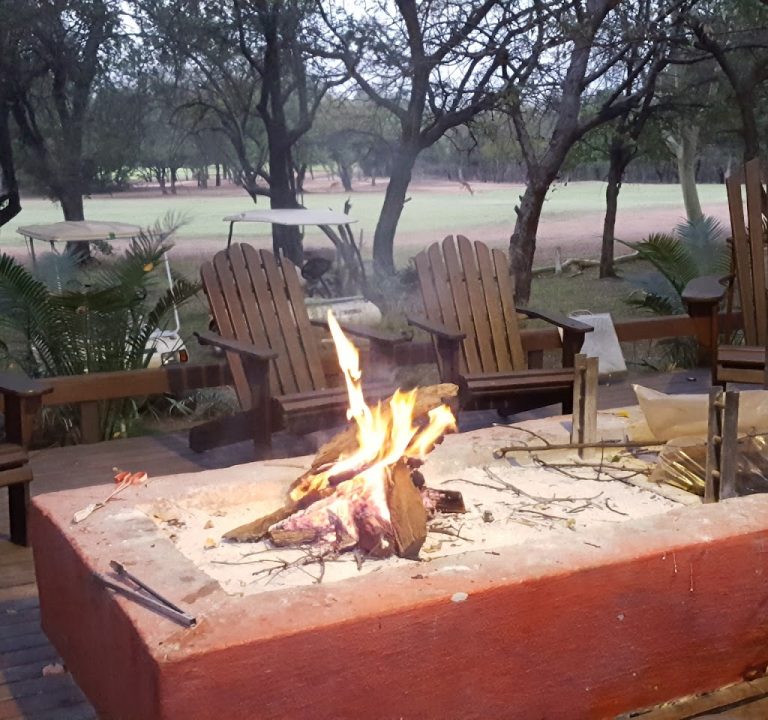
Typical amenities you might expect include private patios or verandas, BBQ facilities, laundry services, pool access, and communal spaces such as lounges or outdoor dining decks. Wi‑Fi availability can vary between properties, so if you need to stay connected, check the reliability and any data charges before booking. Some self-catering stays may offer optional housekeeping or grocery pre-stocking, which can be convenient for longer visits.
Transport and getting around
Phalaborwa is best explored with a car, giving you the freedom to reach Kruger National Park gates, picnic spots, and local eateries on your own schedule. If you’re flying in, consider renting a vehicle from the airport or a local rental agency in town. Road safety is generally good, but plan extra time for potential wildlife crossings or roadworks in the surrounding areas. For those preferring guided experiences, some lodges and guesthouses offer organised nature drives or day trips, which can be a handy option if you want to maximise wildlife sightings without self-driving.
Best time to visit
The South African dry season, roughly May to September, is popular for wildlife viewing as animals congregate around water sources. Mornings can be cooler, with pleasant wildlife sightings at dawn. The wet season, from roughly November to March, brings lush landscapes and active birdlife, but animal sightings can be more dispersed and conditions may include afternoon showers. Consider your priorities: early-spring flower displays, birding opportunities, or classic big‑game viewing, then align your travel dates accordingly.
Practical tips for travellers
- Malaria awareness: The Kruger area is in a malaria area; consult a healthcare professional about prophylaxis and take sensible precautions such as insect repellent, long sleeves in the evenings, and netted sleeping arrangements if advised.
- Health and safety: carry basic first-aid supplies and ensure you have travel insurance that covers wildlife activities and potential flight disruptions.
- Food and groceries: plan for at least a couple of meals per day if your accommodation is self-catering. Local supermarkets in Phalaborwa are convenient for stocking up on essentials, but options can be more limited than in larger cities.
- Respect for the environment: wildlife comes first—keep a respectful distance from wild animals, stay on designated paths, and follow all park rules when visiting protected areas.
- Connectivity: while many places offer Wi‑Fi, it can be variable in rural settings. It’s worth downloading offline maps and travel guides before you go.
Beyond the accommodation, Phalaborwa offers a relaxed base for experiencing the Limpopo outdoors. Expect scenic viewpoints, river walks, and the chance to observe local birdlife as you plan day trips to the surrounding reserves and Kruger entrances. Dining in town ranges from casual eateries to more refined dining options, where you can sample local flavours and international favourites after a day spent exploring. When booking, balance proximity to wildlife experiences with the level of convenience you desire, and you’ll craft a stay that feels both restorative and adventurous.