St Lucia, KwaZulu-Natal: a guide to accommodation, planning and experiences
St Lucia in KwaZulu-Natal offers a relaxed base for exploring one of South Africa’s most alluring natural regions, with a mix of wildlife-rich reserves, riverside charm and coastal scenery. When planning a stay here, you’ll want to balance comfortable B&Bs and lodges with easy access to nature, dining, and transport links. A well-chosen base can maximise time for game drives, boat safaris, and wandering the town’s laid‑back streets.
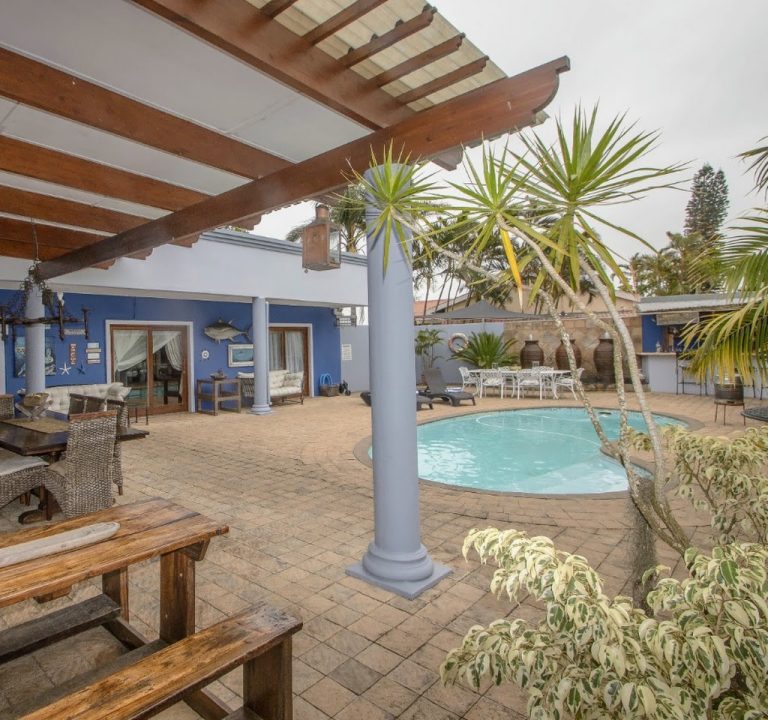
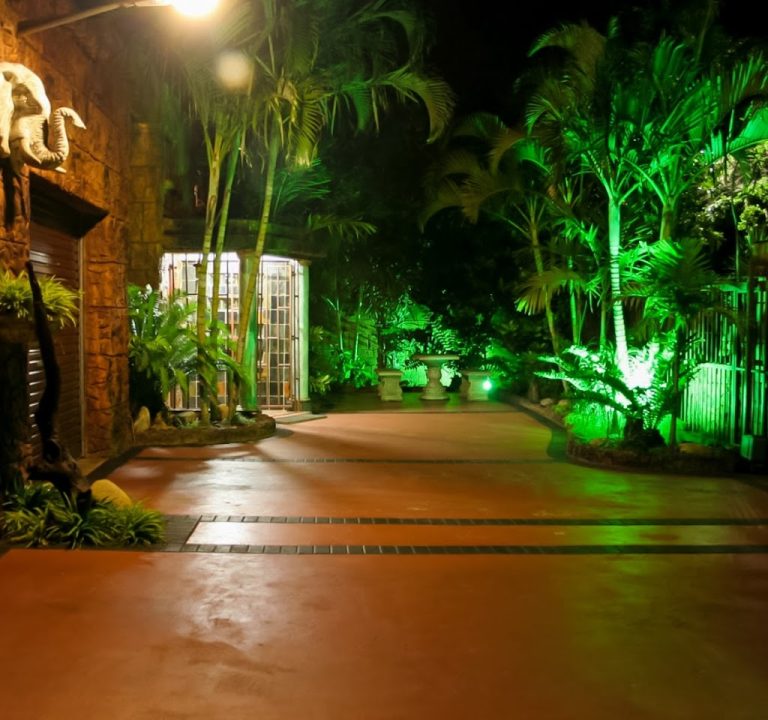
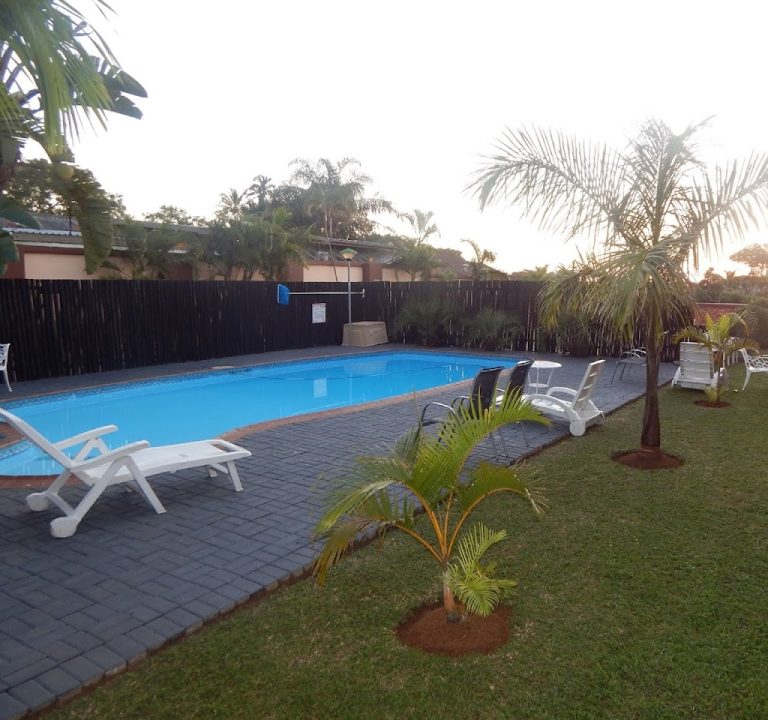
Accommodation options centre on small-scale guesthouses, lodges and bed & breakfast establishments that emphasise personalised service and local character. An example is iGwalagwala Guest House, a family-friendly option that showcases warmth and convenience close to the town’s amenities and the reserve entrances. Booking platforms and hotel websites typically highlight a combination of en-suite rooms, patio areas, and shaded gardens, all useful for families, couples and solo travellers alike. Look for places that offer breakfast on-site or easy access to self-catering facilities, as meals can be a pleasant daily routine after days spent outdoors.
Areas to consider when choosing where to stay include the town’s centre and beachfront-adjacent streets, which offer proximity to eateries, shops and the quays for river trips. If you prioritise quiet and easy wildlife access, consider lodges perched near nature reserves or along the river edge. For those who want a livelier atmosphere with more dining and shopping options, staying near the town waterfront or main square can be appealing. Many properties in and around St Lucia provide tips on day trips, guided excursions and self-drive itineraries.
What to look for when booking? First, check the proximity to the iSimangaliso Wetland Park gate or to river entrances for boat safaris and guided walks. If you plan to visit Hluhluwe-Imfolozi Park or other reserves, confirm access arrangements and whether guided drives are included or available as an add-on. Amenities to prioritise include secure parking, reliable Wi‑Fi, and a convenient breakfast service. Request details on mosquito protection, air conditioning or fans, and whether rooms open onto shared verandas or private terraces—these features genuinely affect comfort after warm days or early morning excursions. Family-friendly facilities, luggage storage, laundry options and flexible check-in times can also make a stay smoother, especially for travellers coordinating flight connections and long transfers.
Transport and getting around optimise the experience. A car is highly recommended for flexibility, with several guesthouses offering parking or shuttle options to park gates and boat launch points. For those preferring to rely on organised activities, many operators in St Lucia provide pick-up from accommodation for day trips, river safaris, and park drives. Internal travel is relatively straightforward, but road conditions and weather can affect plans, so it’s wise to factor in a buffer day or two in case of seasonal rains or roadwork.
The best time to visit St Lucia hinges on wildlife and coastal conditions. The dry season, typically from May to October, tends to offer clearer skies, easier wildlife viewing and pleasant day temperatures, though evenings can be cooler. The summer months bring humidity and the possibility of rain, yet the landscapes are lush, birds are active, and water-based activities like boat safaris can be particularly rewarding after rain. Whale watchers and birdwatchers will find rich opportunities at varying times of the year, depending on migration and local climatic patterns. If you’re keen on photography or seasonal wildlife spectacles, plan your stay to align with reserve opening times and NGO-led conservation programmes, which frequently publish seasonal guidance.
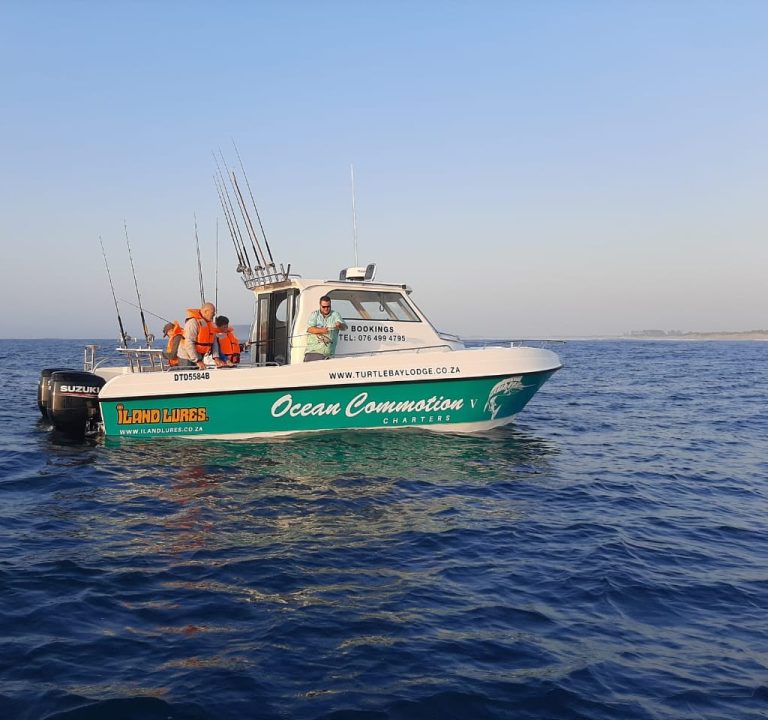
Attractions and activities in general terms include guided safaris and nature walks within protected areas, river cruises that showcase local bird life and the region’s hippo and crocodile populations, and boat trips across waterways that weave through mangroves and lagoons. Visitors can also explore the town’s coastal and riverfront pathways, where scenic views and wildlife observation sit alongside modest craft stalls and eateries. For a day trip, broader KwaZulu-Natal attractions are accessible, with routes that allow you to combine marine experiences, forested landscapes and cultural insights into a single itinerary. When choosing activities, look for operators that emphasise safety, conservation, and respect for wildlife and local communities.
Dining and evening options tend to reflect the town’s casual, welcoming vibe. Many guesthouses and lodges either provide breakfast and dinner services or partner with nearby eateries offering traditional flavours and seafood dishes. Look for places that highlight fresh, regional ingredients and offer informal dining spaces where guests can mingle with hosts and other travellers. If you’d prefer autonomy, staying in a property with self-catering facilities or kitchen access is a practical option, particularly for families or longer stays.
- Plan for a flexible itinerary to accommodate weather and wildlife movements.
- Prioritise accommodation with easy access to gates, boat launches, and the town’s amenities.
- Book in advance for peak periods and reserve guided activities where possible.
- Check what meals are included and whether facilities support self-catering.
To explore further or to check availability, you can visit individual accommodation sites or general travel portals. For example, iGwalagwala Guest House provides a base with friendly service and convenient access to both nature and town facilities—see their details at their official site: http://www.igwalagwala.com/.