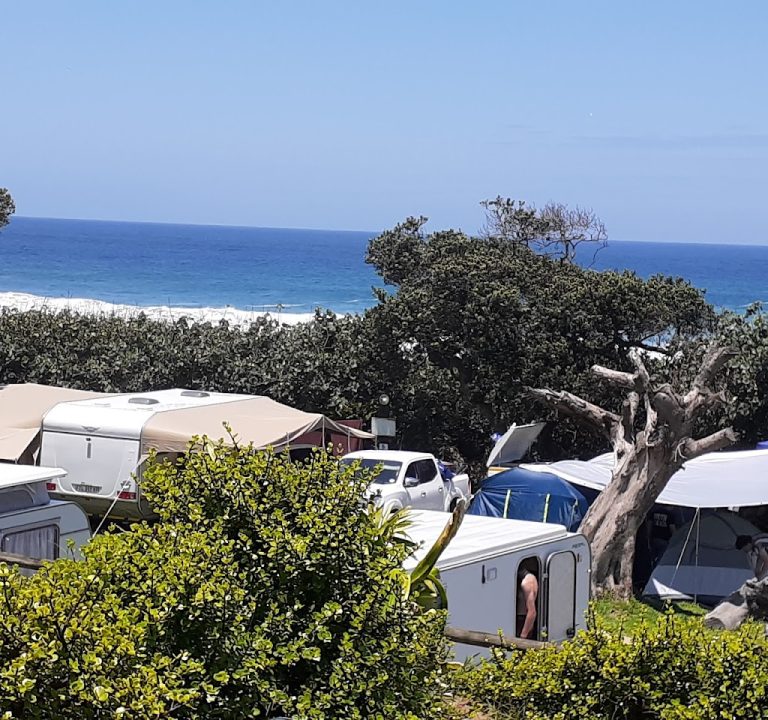
Staying and exploring Ifafa Beach: accommodation, attractions and practical tips
Ifafa Beach in KwaZulu-Natal offers a laid‑back coastal escape with a focus on easy beaches, gentle waves and a touch of rural charm. The area is popular with travellers who want to combine comfortable lodging with the option to explore nearby beaches, nature reserves and sleepy seaside villages. Plan your stay with an eye to getting the most from the surroundings while keeping travel simple and affordable.
Accommodation options in Ifafa Beach range from welcoming B&Bs and guesthouses to small lodges and self‑catering cottages. Many properties are family‑run and designed to feel homely, with hosts happy to share tips on local spots and routes. When choosing where to stay, consider the purpose of your trip: a quiet romantic break may suit a intimate coastal suite, while a family holiday could benefit from a self‑contained unit with a kitchenette and outdoor space. If you prefer a social vibe, there are lodges and B&Bs that offer communal areas, breakfast on‑site and opportunities to chat with other travellers.
If you are browsing by area, think about proximity to the main stretch of beach versus a more tucked‑away setting. A beachfront or near‑beach option makes early morning walks and sunset strolls effortless, while an inland or hillside base can offer spectacular views, cooler evenings and easier access to backroads for day trips. For those hiring a car, staying within a short drive of the coast usually means faster access to multiple beaches, casual eateries and local markets.
Typical amenities to look for include secure parking, reliable Wi‑Fi, friendly staff, and clear information about tides and local safety guidelines. Many lodgings provide basic kitchen facilities, outdoor seating areas and braai/barbecue spaces, which are popular for evening meals after a day on the sand. If you plan to spend long days outdoors, a room with good natural light, comfortable beds and climate control (fans or air conditioning) can make a noticeable difference to your comfort level.
Transport to and around Ifafa Beach is straightforward if you travel by car. A private vehicle makes it easy to explore the coastline at your own pace, visit neighbouring towns and reach rural routes where quiet beaches and viewpoints lie off the beaten track. Public transport options are limited in the area, so it is worth arranging a rental or confirming host recommendations for local transfers or taxi services. If you prefer not to drive, look for lodgings that can coordinate airport transfers or provide information on convenient local shuttle arrangements.
The best time to visit Ifafa Beach depends on what you want from the trip. Peak beach weather in KwaZulu‑Natal typically runs from late spring through summer, with warm days, sea breezes and longer daylight hours. Winter (June to August) is usually milder than in many inland regions, which can be ideal for relaxed walks and birdwatching, while still allowing beach time on warmer days. Spring and autumn are shoulder seasons with fewer crowds, pleasant temperatures and a quieter streetscape. If you are drawn to marine life, consider timing your stay to seasonal patterns for sightings along the coastline, but note that conditions can change quickly from day to day.
When planning daily activities, think about tide times and beach access. Some stretches of sand are more enjoyable during low tide, revealing tidal pools and extended shorelines, while high tide may reduce swimming space in certain areas. It is wise to confirm local conditions with your host or the accommodation’s information folder when you arrive. If you enjoy walking or cycling, bring comfortable footwear and a lightweight backpack for snacks and water, as convenience stores may be a short drive away depending on your exact location.
Nearby attractions and experiences are typically easy to reach by car. The coastal setting invites relaxed beach days, scenic walks along the shoreline, and opportunities to watch sunsets over the water. Nature lovers may find nearby reserves or protected coastal areas worth a gentle hike or a quiet picnic. For dining, most visitors choose laid‑back eateries that offer simple, well‑prepared meals, often celebrating local ingredients. Many lodgings also provide recommendations for breakfast spots, coffee stops and casual restaurants with sea views or garden settings. While exact outlets vary by season and town, the emphasis remains on unhurried meals, friendly service and a chance to sample regional flavour in a relaxed environment.
Practical tips for a smooth stay in Ifafa Beach:
- Pack light layers for temperature swings between mornings and evenings, plus sun protection for daytime beach hours.
- Bring a reusable water bottle, a small first‑aid kit and any personal medications you might need while exploring.
- Check your accommodation’s parking arrangements and whether you need permits for overnight stays in certain areas.
- Confirm check‑in and check‑out times in advance, and ask hosts for the best routes to beaches and supermarkets.
- Respect local guidelines for marine life and wildlife, and adhere to any protected area rules if you plan coastal walks.
To maximise your stay, book accommodation that aligns with your priorities—beach access, views, or a quieter village location—and factor in travel time to the places you wish to visit. Ifafa Beach rewards travellers who take a relaxed approach: a gentle pace, comfortable lodgings, and a willingness to explore nearby towns and natural spaces at your own rhythm. For more ideas on accommodation and regional attractions, you can consult trusted tourism resources or the property’s own website, if available, to tailor your trip to your preferences and budget.