Accommodation and experiences in Mtubatuba, KwaZulu-Natal: planning your stay and getting the most out of the region
Mtubatuba offers a grounded base for travellers exploring northern KwaZulu-Natal, with a mix of intimate lodges, guesthouses and B&Bs that showcase the warmth of local hospitality. When planning a stay, consider which area best suits your plans: the town itself provides convenient access to shops and services, while nearby coastal and nature-filled pockets offer a more tranquil escape. For a comfortable option with a personalised touch, look for establishments that list clear information on room types, breakfast offerings and on-site facilities, as well as easy access to the surrounding highlights.
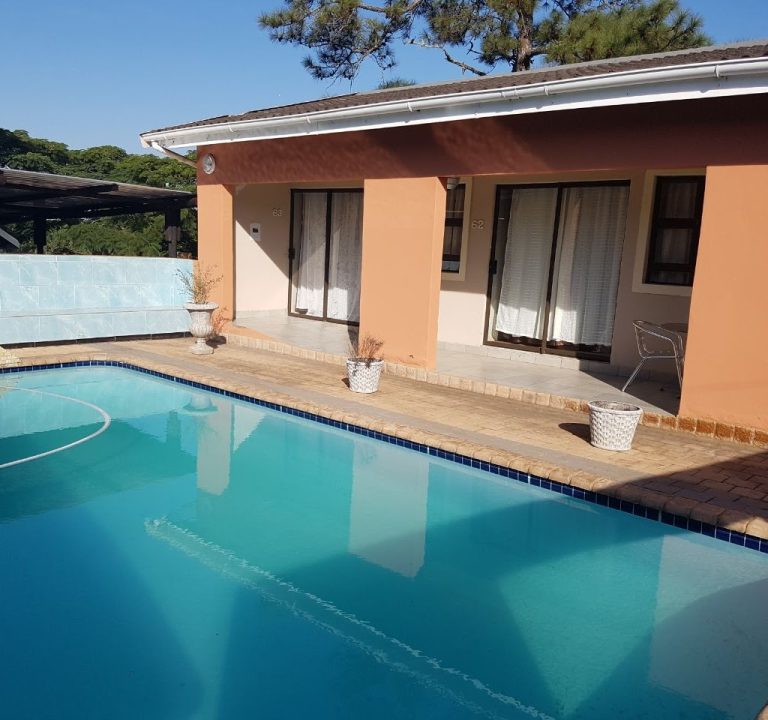
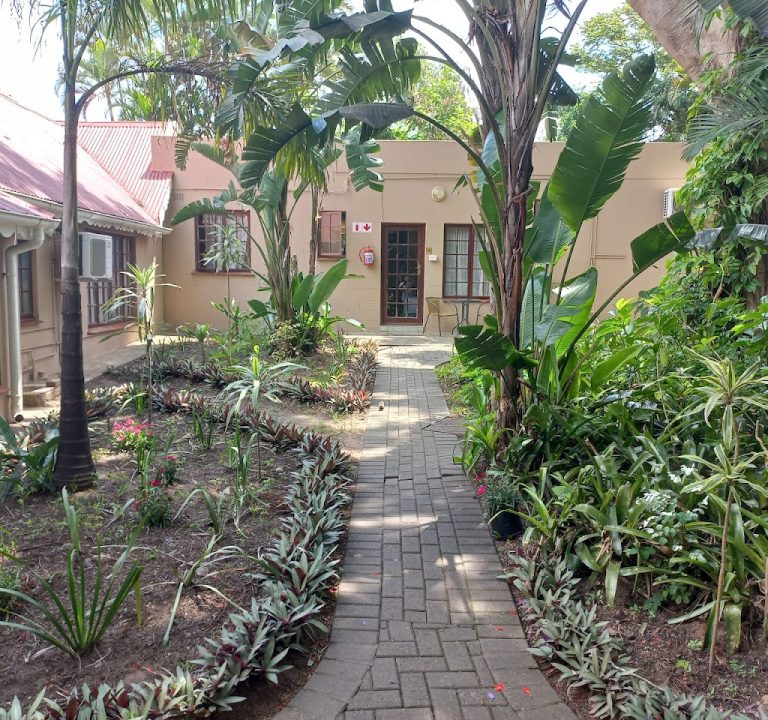
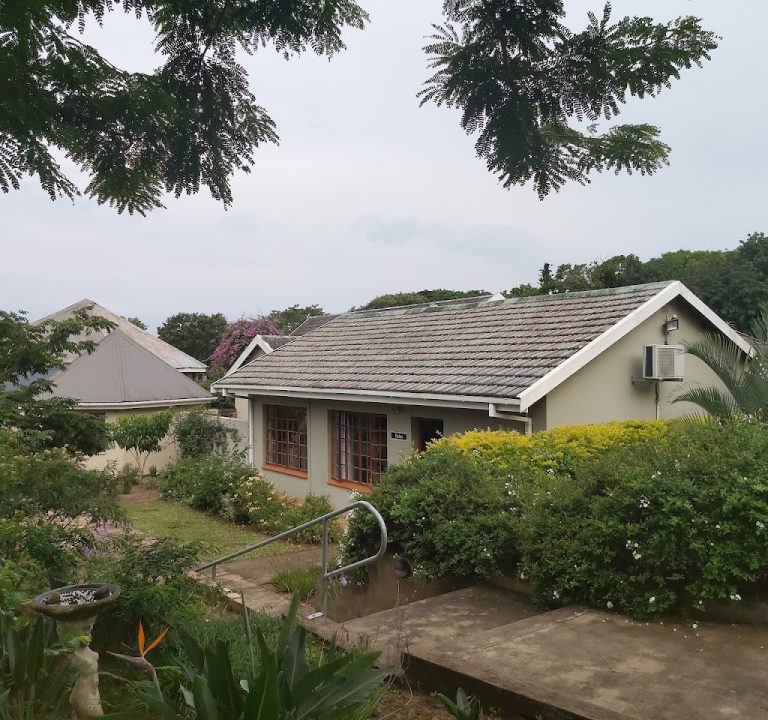
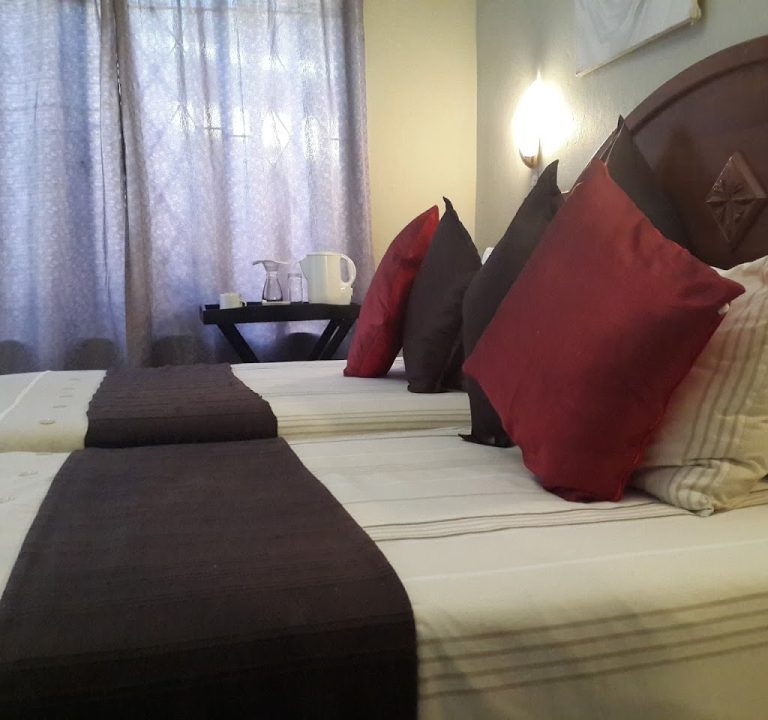
One popular example of local accommodation is Ibhubesi Lodge, a bed and breakfast that blends homely comfort with a touch of style. Guest-focused hosts typically offer rooms or suites with en-suite bathrooms, secure parking, and a shared or private dining area where you can enjoy a wholesome start to the day. When researching stays, check what is included in the rate—some B&Bs provide full breakfast, while others offer a continental or light option—with the possibility to request dietary preferences in advance. A dedicated website or listing usually gives an overview of the property, its philosophy, and practical details such as check-in times and access to common spaces.
Accommodation in Mtubatuba spans budget-friendly guesthouses, mid-range B&Bs and more secluded lodges. When choosing where to stay, consider factors such as:
- Accessibility and location relative to your planned activities (nature reserves, beaches, towns, and day trips).
- Type of breakfast service and whether dinner is available on-site or nearby.
- Room configurations (double, twin, family rooms) and suitability for your group.
- On-site facilities (swimming pool, comfortable communal areas, wi‑fi in rooms, air conditioning, laundry services).
- Transport options, including parking, proximity to main roads, and whether the property offers shuttle or organised excursions.
Popular areas to consider within easy reach of Mtubatuba include the town centre for convenience, and pockets closer to natural areas where wildlife and birdlife are easy to access from the doorstep. When staying near nature, you’ll want to balance the desire for quiet with access to essential services, such as supermarkets, medical facilities and a selection of dining options. A well-located guesthouse or lodge will provide welcome guidance on local transport options, including directions for self-drive routes and tips for finding reputable private guides or tour operators.
Transport is a practical consideration for most visitors. South Africa’s road network in this region is generally well maintained, and many travellers choose to hire a car to maximise freedom and flexibility. If you prefer not to drive, check whether your accommodation can arrange airport transfers or day trips with reputable operators. For longer trips into coastal areas or wildlife reserves, you’ll want a comfortable vehicle and a reliable GPS or map app. When researching travel times, remember that rural routes can be scenic but may have slower speeds or fewer services, so plan for occasional delays and extra time to enjoy the journey.
The best time to visit Mtubatuba and the surrounding KwaZulu-Natal coast is dictated by your priorities. The winter dry season (roughly May to September) often offers excellent wildlife viewing, cooler days, and lower humidity. This is a popular window for those aiming to see large mammals in nearby reserves, but it can also be busier in peak travel periods. The summer months (October to April) bring warmer temperatures and afternoon showers, with lush landscapes and vibrant birdlife. If you’re hoping for excellent beach days, consider late spring or early autumn when temperatures are pleasant and rainfall is variable. Always check local forecasts and reserve timings for any seasonal closure or maintenance notices that could affect your plans.
Planning practical details in advance can pay dividends. When you book, confirm what is included (breakfast, access to communal spaces, and any meals or activities). Clarify check-in and check-out times, policy on late arrivals, and any deposits or cancellation terms. If you intend to explore nature reserves, ask hosts or local operators about guided walks or game drives, since a knowledgeable guide can significantly enhance safety and enjoyment. For dining, most visitor areas offer a handful of friendly eateries showcasing local produce and regional flavours. Rather than focusing on specific menus or prices, aim to sample a range of options—from informal cafés to family-run restaurants—so you can enjoy variety without overextending your budget.
In addition to wildlife and beaches, Mtubatuba and its surrounds offer cultural experiences and opportunities to engage with local communities. Seek experiences that emphasise responsible tourism—such as community-run markets, crafts, and guided village walks—as these activities help support local livelihoods while enriching your trip. When arranging activities, check what is included, expected behaviours, and what to bring (such as closed-toe shoes for nature walks, sun protection, and a light rain layer). A well-planned stay will balance restful mornings with immersive days out, leaving you with lasting memories of this part of KwaZulu-Natal.
For more information and to explore accommodation options, you can visit individual property pages or tourism listings that showcase Mtubatuba and nearby areas. A well-curated selection will provide clear booking terms, essential facilities, and practical tips to help you design a balanced, enjoyable stay.