Planning a Stay in Cape Town: Lodgings, Attractions and Practical Tips
Cape Town offers a diverse mix of accommodation to suit every traveller, from stylish city pads to beachfront retreats and country lodges. When planning a stay, think about how you want to move around the city, what kind of neighbourhood you prefer, and how much time you’ll spend exploring the surrounding scenery. Central districts such as the City Bowl and the Atlantic Seaboard, including Camps Bay and Sea Point, provide convenient access to sights, eateries and nightlife, while areas like Constantia and the southern suburbs present quieter, wine‑route experiences and leafy spaces just a short drive from the harbour and mountain views.
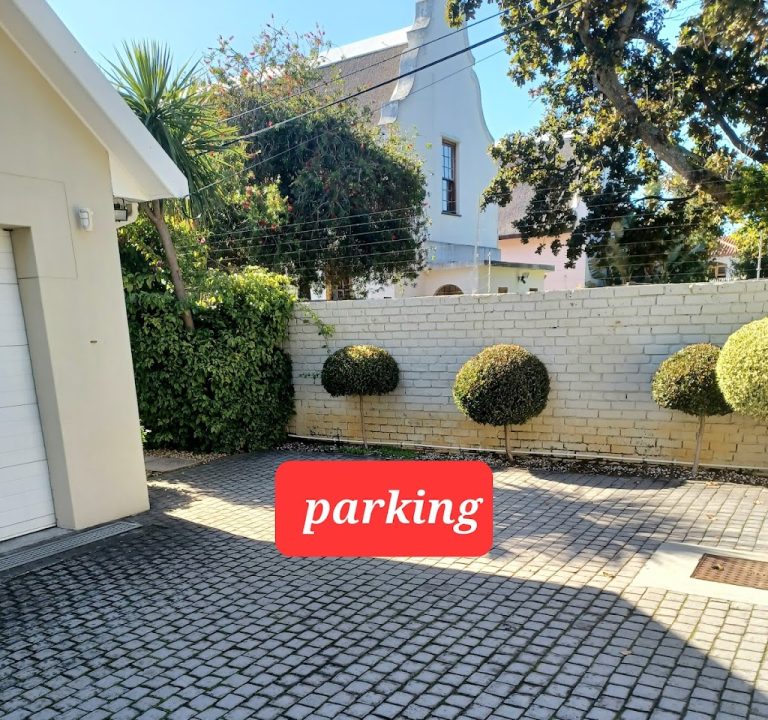
Accommodation choices range from boutique guesthouses and lodges to modern apartments and well‑appointed hotels. Features to look for include easy access to public transport or reliable parking, in‑room comforts such as air‑conditioning or underfloor heating for the coastal breeze, and thoughtful extras like a guest lounge, a well‑equipped kitchen, or a pool with views. For those seeking a city‑break with a home‑from‑home feel, a lodge in the City Bowl, such as Huntley Lodge, can illustrate how contemporary style meets practical convenience in central Cape Town. Regardless of style, confirm how the property handles cleaning, security, and guest privacy, and check recent guest reviews for consistency in service and maintenance.
When choosing a neighbourhood, consider how you plan to spend your days. The Atlantic Seaboard offers dramatic coastline, easy access to beaches, and postcard‑perfect sunsets, often with a more relaxed pace. The City Bowl puts you within walking distance of museums, markets and a vibrant café scene, ideal for first‑time visitors and walkers who want to explore on foot. Constantia, nearby Kirstenbosch and the southern suburbs present scenic drives, wine tasting, and lush green spaces, making them a good base for those who prioritise gardening, hiking or day trips to the Cape Winelands.
Typical amenities you might expect include secure parking or easy public transport access, dependable Wi‑Fi, tea and coffee facilities, hairdryers, and sometimes breakfast options either on‑site or nearby. For longer stays, a kitchen or kitchenette adds flexibility for family travel or quieter evenings after a day of sightseeing. Some lodges and guesthouses also offer guided arrangements, such as private vineyard tours, hiking outings, or shuttle services to popular hubs like the V&A Waterfront and Table Mountain National Park. Always confirm whether breakfast is included, the flexibility of check‑in and check‑out times, and the policy on cancellations in case plans shift with weather or work commitments.
Transport is a practical consideration in Cape Town. The city benefits from a mix of rideshare services, reputable car hire, and convenient bus routes, though some routes run less frequently outside peak times. If you plan to explore beyond the immediate area, secure a reliable mode of transport in advance or choose a property that can assist with transfers. For guests staying near popular sights, a well‑located lodging can save significant time and provide a calmer base after a day of touring the scenic outlooks, markets and waterfront promenades.
The best time to visit Cape Town depends on your plans. Spring (September to November) brings blooming fynbos and mild weather, making it ideal for hiking and outdoor dining. Summer (December to February) offers long days and vibrant street life, though it can be busy in peak season. Autumn (March to May) and winter (June to August) bring cooler breezes and occasional showers, with fewer crowds and good value on accommodation. For wine lovers, late February to April and September to November align with harvesting and more comfortable vineyard visits. Pack layers for variable coastal conditions and bring a sunhat and sunscreen for daytime exploring, regardless of season.”
When planning a stay, a few practical tips can help you make the most of your time in Cape Town:
- Pre‑book any must‑do activities that have limited slots, such as cable car rides up Table Mountain, guided tours or restricted‑access viewpoints.
- Group activities by proximity to your lodging to minimise daily travel time and maximize daylight for sightseeing.
- Balance iconic sights with neighbourhood walks, markets, and dining experiences in smaller, local areas to get a sense of everyday life.
- Check access to water‑based activities and weather‑dependent experiences; have a flexible plan if rough seas or winds alter availability.
Key attractions in general terms include natural viewpoints, coastal walks, and accessible cultural sites that illuminate Cape Town’s history, landscape and contemporary life. The city’s setting between mountains and sea invites memorable vistas and outdoor adventures, while the harbour and waterfront precinct offer varied dining, shopping and relaxed ambience. Eating out ranges from casual cafés and bistros to more refined venues that celebrate local produce, seafood and game. If you’re visiting with family or a group, look for accommodations with comfortable communal spaces and easy access to public transport or parking, as a comfortable base will enhance day‑to‑day enjoyment.
To help you plan ahead, consult official tourism resources and reputable travel sites for up‑to‑date information on routes, seasonal events and accessibility notes. A strong starting point is the official Cape Town tourism portal, which provides practical guidance on neighbourhoods, activities and suggested itineraries. You can also explore general information about local experiences and dining options through trusted travel guides and visitor information portals. For ideas and reservations, reputable hotel and lodging sites often feature detailed neighbourhood descriptions, photos, and guest reviews that reflect current conditions and guest satisfaction.
In short, Cape Town rewards careful planning and flexible pacing. By choosing a well‑suited neighbourhood, confirming essential amenities, and balancing iconic sights with authentic local experiences, you can craft a memorable stay that captures the city’s beauty, culture and hospitality. For further inspiration and practical planning, consider visiting official tourism sites and reputable accommodation platforms for curated listings, maps and suggested itineraries.