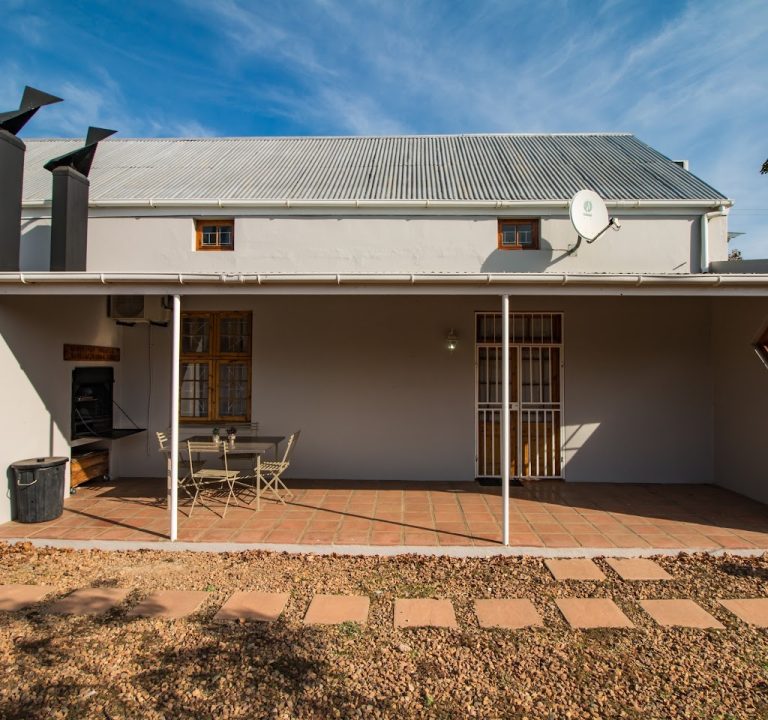
Tulbagh in the Western Cape: where historic charm meets country escapes
Tulbagh is a Georgian-and-Victorian town set among the rolling valleys of the Western Cape, offering a gentle mix of heritage, wine country atmosphere, and access to the outdoors. When planning a stay, many visitors choose accommodation in or near the historic town centre to soak up the architecture and easy access to eateries, galleries, and local shops. Others opt for country house stays or working farms on the surrounding slopes, where mornings begin with birdsong and views of the surrounding snow‑dusted (in cooler months) or sunlit peaks. Either choice makes for a relaxed base for exploring Tulbagh’s charms, and many properties are receptive to couples, families, and groups seeking a quiet, authentic experience.
Areas to consider for your stay include the town centre, where most traditional B&Bs, guesthouses and small hotels cluster along Church Street and its leafy side streets. Staying here puts you within a short stroll of colonial façades, a central square or two, and a handful of well-regarded restaurants and cafés. For a more immersive rural retreat, look to farm stays and guesthouses on the valley lanes a few minutes’ drive from the town. These properties typically offer more space, garden settings, and a closer link to the surrounding orchard, vineyard, and olive groves. If transport is a consideration, rural stays with on-site parking can be particularly convenient for day trips by car or organised wine-tasting tours in the region.
When booking, consider the following features and amenities to ensure a comfortable stay. First, check the room types and en suite facilities—many Tulbagh properties offer cosy rooms with period features, Wi‑Fi, and breakfast options. A few places provide self-catering facilities, which can be ideal for families or travellers who prefer a flexible routine. Look for characterful common spaces such as a guest lounge, garden seating, or a veranda—these make it easier to unwind after a day of exploring. Think about accessibility and parking—narrow lanes in the town can be charming but tricky for larger vehicles, so confirm parking arrangements in advance. Pet-friendly options exist, but it’s best to verify pet policies before booking if you plan to travel with a four‑legged companion.
Typical amenities that enhance a Tulbagh stay include a hearty breakfast using local produce, on-site restaurants or a close-by dining scene, and guidance from hosts on must-see local spots. Given Tulbagh’s agricultural roots and wine heritage, many properties can arrange or recommend wine tastings, cellar visits, or guided walks through nearby vineyards. For families or visitors seeking activity, ask about access to outdoor spaces, such as safe garden areas, braai facilities, or easy access to walking trails in the surrounding countryside. A few properties may also offer spa elements, pool areas, or cosy fires for cooler evenings, which can be especially appealing outside of peak summer months.
Transport wise, Tulbagh is most easily explored by car. The town is compact enough to stroll around the historic streets, but to reach rural farms or neighbouring towns, a vehicle provides flexibility. If you prefer not to drive, check whether your accommodation can help arrange a transfer or recommend reliable local drivers. Public transport options are limited, so it’s wise to plan day trips with a clear idea of driving times between sights. For visitors arriving by air, the closest reasonable access points are regional airports in the Western Cape, with car hire being the typical way to reach Tulbagh from there.
The best time to visit Tulbagh depends on what you want from your trip. Spring and autumn offer pleasant temperatures and quieter streets outside peak holiday periods, with the added delight of colour in the surrounding countryside. The winter months bring cooler weather and striking mountain vistas, while summer is typically warm and sunny, ideal for alfresco meals and wine-tasting outings. Tulbagh’s proximity to the broader Cape Winelands means you can combine vineyard experiences with a stay in the heart of town. If you travel during flower season and the period around harvest, you’ll find the countryside at its most photogenic, with a festive, harvest‑toned atmosphere in many visitor spaces without the fuss of larger city crowds.
Practical tips for a smooth visit:
- Book early if your travel window falls during school holidays, long weekends, or flower season, as properties fill up quickly.
- Confirm breakfast arrangements, and whether meals are served on-site or if you’ll need to explore nearby eateries for dinner options.
- Budget for short drives to vineyards and nature reserves—plan a sensible route so you maximise time at each stop without feeling rushed.
- Pack versatile clothing for varying temperatures, especially in shoulder seasons when mornings can be cool and afternoons warmer.
- Respect the historic nature of the town—a number of buildings retain period features; pet and guest policies may vary by property.
Tulbagh offers a welcoming blend of heritage architecture, open landscapes and a relaxed rural pace. Whether you choose to base yourself in the town’s historic core or in a tranquil farm setting, you’ll have easy access to wine country, outdoor activities, and a growing array of dining options that showcase local produce and regional flavours. With thoughtful planning, a stay in Tulbagh becomes a memorable doorway to the Western Cape’s charm, where quiet streets, friendly hosts, and scenic viewpoints come together to create a distinctly civilised break from the everyday.