Accommodation and experiences in Cape Town: planning your stay and making the most of the Western Cape
Cape Town offers a diverse tapestry of places to stay, from stylish city apartments to family-friendly guesthouses and boutique hotels nestled against the dramatic backdrop of Table Mountain. When planning a visit to the Western Cape, it helps to think in terms of distinct neighbourhoods or areas, each with its own character, scenery and rhythm. Whether you want harbour views, sun-drenched beaches, hillside tranquillity or central access to sights, the right base can make all the difference to your experience.
Popular areas to consider include the V&A Waterfront and the central business district for easy access to museums, markets, and nightlife, and the Atlantic Seaboard for glamorous beaches and breezy restaurants. If you prefer a quieter, scenic escape, the suburb of Camps Bay or the Constantia Valley with its vineyards and green hills are excellent choices. For a more family-friendly, relaxed atmosphere with access to nature and hiking trails, neighbourhoods around Hout Bay and the southern suburbs offer a slower pace while still being within reach of the city’s major sights.
When choosing accommodation, look for what matters most to you: proximity to the places you want to visit, secure parking if you plan to hire a car, in-room amenities such as reliable wi‑fi, a comfortable desk or seating area, and options for breakfast. Many properties in Cape Town establish character through design—think boutique interiors, sea views, or a cosy hearth—without sacrificing practical comforts like self-catering facilities, on-site parking, or friendly resident staff who can offer local tips.
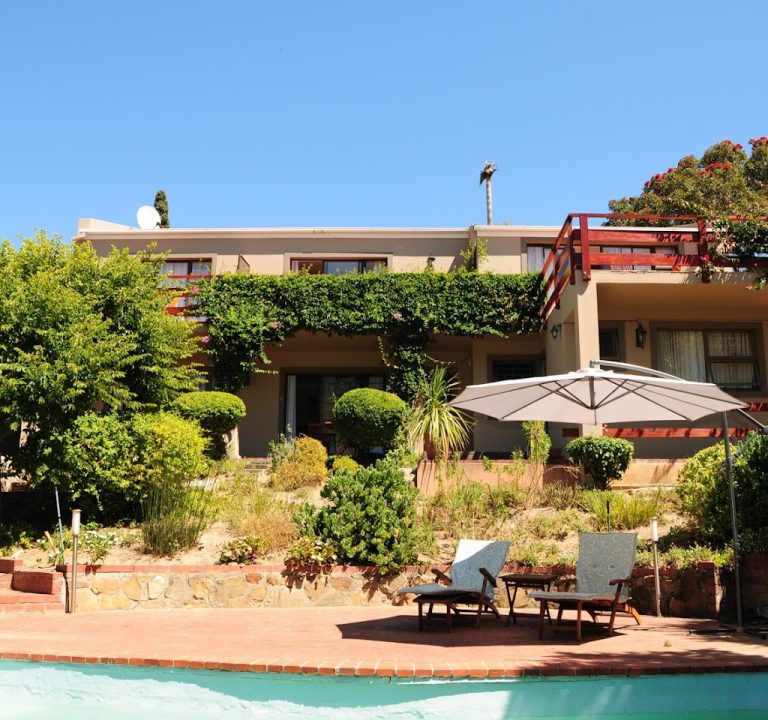
Typical amenities to compare include pooled outdoor spaces, access to terraces or balconies with mountain or harbour vistas, well-equipped kitchens, and guest lounges. If you are travelling with children or reliance on public transport, ask about proximity to bus routes, rail links to the city centre, and walkable routes to markets or parks. For those who value wellness on the road, look for properties offering gym access, spa treatments, or easy access to outdoor activities such as hiking and water sports. Some properties prioritise sustainability, with initiatives around water conservation, recycling, and energy efficiency; these can add extra value for environmentally conscious travellers.
Transport in Cape Town is straightforward but can be uneven by neighbourhood and time of day. If you are based near the city centre or the V&A Waterfront, you can rely on MyCiTi bus services, ride-hailing apps, and short walks to major sights. A car provides flexibility for day trips along the Atlantic Seaboard, into the wine lands of Constantia and Stellenbosch, or to the Cape Peninsula's scenic viewpoints. If you prefer public transport, plan your days to avoid peak congestion and enjoy scenic drives when possible, especially along the Atlantic coast and the coastal routes that weave between towns and nature reserves.
The best time to visit Cape Town depends on what you want from your stay. Summer (roughly November to February) brings long days, warm seas and lively street life, ideal for beach days and outdoor dining. Spring (September to November) and autumn (March to May) offer mild weather and clear skies, often with fewer crowds. Winter (June to August) is cooler and wetter, but still enjoyable for cultural highlights, museum visits, and cosy evenings with mountain views from indoor lounges or sheltered terraces. Weather can be changeable, so layering and a light rain jacket are sensible additions to any packing list.
For planning days out, a blend of nature, culture and gastronomy makes for a well-rounded itinerary. Iconic mounts and viewpoints offer classic postcard scenes, while coastal drives reveal sheltered coves and rugged outcrops. In and around the city, you’ll find museums, galleries and markets that showcase local craftsmanship and cuisine. For meals, Cape Town’s dining scene ranges from relaxed eateries with shared plates to refined venues that celebrate fresh seafood and seasonal produce. Look for places that offer indoor or outdoor seating with views, as well as options for dietary preferences. Always check opening hours in advance, as seasonal changes and public holidays can affect service times.
Two example opportunities to consider when weighing where to stay include a boutique hotel known for its harbour proximity and thoughtful design, and a guesthouse with a home-from-home feel and easy access to walking trails. One option to explore is a property that combines modern comfort with easy access to both the city and the sea, and provides a comfortable space to unwind after day trips. For those seeking a more dedicated base for exploration, consider a residence with a strong local welcome, near major routes to Table Mountain, the Cape Peninsula, and the Cape Winelands. You can find detailed information and booking options on hotel and guesthouse websites, and it is often useful to check recent guest reviews for up-to-date tips on transport, noise levels, and area safety.
Tips for booking and staying smart:
- Compare several neighbourhoods to balance access to sights with a relaxed stay.
- Check the availability of secure parking if you will hire a car.
- Ask about self-catering options or breakfasts included, especially for longer stays.
- Confirm wi‑fi reliability and working spaces if you need to work remotely.
- Look for properties with easy access to public transport or safe walking routes to markets and beaches.
For readers seeking a comfortable base with a touch of seaside charm, Hout Bay Gem offers a coastal-inflected option that pairs well with day trips to the Atlantic coast and the nearby nature reserves. Learn more about this property at its official website: Hout Bay Gem. No matter which area you choose, Cape Town rewards visitors who mix iconic sights with local dining, warm hospitality, and time to absorb the unique rhythms of the Western Cape.