Mahikeng: Where to stay, what to do, and how to plan your visit
Mahikeng, the capital of the North West Province, combines historical significance with warm hospitality and modern comfort. Whether you are seeking a cosy homestay, a family-run guesthouse, or a small lodge near the city centre, the town offers a range of options that can suit different budgets and travel styles. When planning a stay, consider which neighbourhoods suit your needs, how you will get around, and what you would like to experience beyond your lodging.
Areas to consider when booking your stay include the heart of the city, where many guesthouses and homestays cluster around convenient shops and eateries, and quieter residential streets that can offer a more intimate, residential feel. For a base near cultural attractions and historical sites, look for properties within easy reach of central transport routes and taxi services. If you prefer a more relaxed, countryside‑inspired environment, there are lodges and guesthouses on the outskirts that provide larger grounds, gardens, and a slower pace while still remaining within reach of Mahikeng’s city amenities.
Typical amenities to look for include reliable wi‑fi, on-site parking, and clear information about check‑in times and access. Many guesthouses and homestays in the area offer breakfast as part of the room rate, with some providing dinner options or guidance to nearby eateries. En-suite bathrooms are common in mid‑range accommodations, while some budget options may offer shared facilities. If you value a homely touch, you might favour smaller establishments where the host can share practical tips about local markets, trinket shops, and day trips. For families or longer stays, self‑catering or partially equipped kitchen facilities can be a practical feature.
Transport options are a key consideration. Mahikeng is well connected by road, with a network of tarred streets and accessible taxi services. If you plan to explore surrounding sights or venture into nearby reserves, a hire car can be a convenient choice, giving you flexibility to set your own pace. For travellers arriving by air, check how distance and transfer times fit with your itinerary, as some properties may offer guidance on local transfer options. Should you prefer not to drive, confirm that your accommodation is within walking distance of central amenities or has reliable local transport links.
The best time to visit Mahikeng depends on what you wish to experience. The region enjoys a generally warm climate, with cooler winter months from May to August. If you enjoy outdoor activities or wildlife highlights in the surrounding countryside, the dry season can be particularly pleasant for exploring outdoor attractions. Conversely, the summer months bring more rainfall and lush vegetation, which can enhance certain experiences but may require flexible planning for outdoor activities. Always check local weather forecasts and event calendars when you organise your trip.
For booking planning, consider the following practical tips:
- Read recent guest reviews to gauge consistency in cleanliness, service, and responsiveness.
- Compare room types and whether breakfast or other meals are included in the rate.
- Ask about parking arrangements, security, and access after hours if you will be arriving late.
- Clarify the cancellation policy and any minimum stay requirements during peak periods.
- Request local insights from your host on markets, historic sites, and emerging eateries.
- Plan a day or two to explore surrounding areas, such as museums, battle‑site or heritage locations, and natural reserves.
- Check if the property can assist with arranging guided experiences or transfers to nearby attractions.
In terms of attractions and experiences, Mahikeng offers a blend of cultural and historical perspectives with opportunities to discover the region’s heritage. Visitors often take time to learn about the area’s role in regional history, while also enjoying art, local markets, and the chance to encounter friendly locals. Nature lovers can explore nearby landscapes and reserves, where guided excursions may be available to help you observe wildlife and unique flora. For dining, expect a taste of South African hospitality with menus that highlight hearty, communal dishes, often accompanied by carefully chosen wines or local beverages. Many restaurants and casual eateries focus on seasonal ingredients and traditional flavours, and day markets can offer fresh produce, crafts, and street food that reflect the local culture.
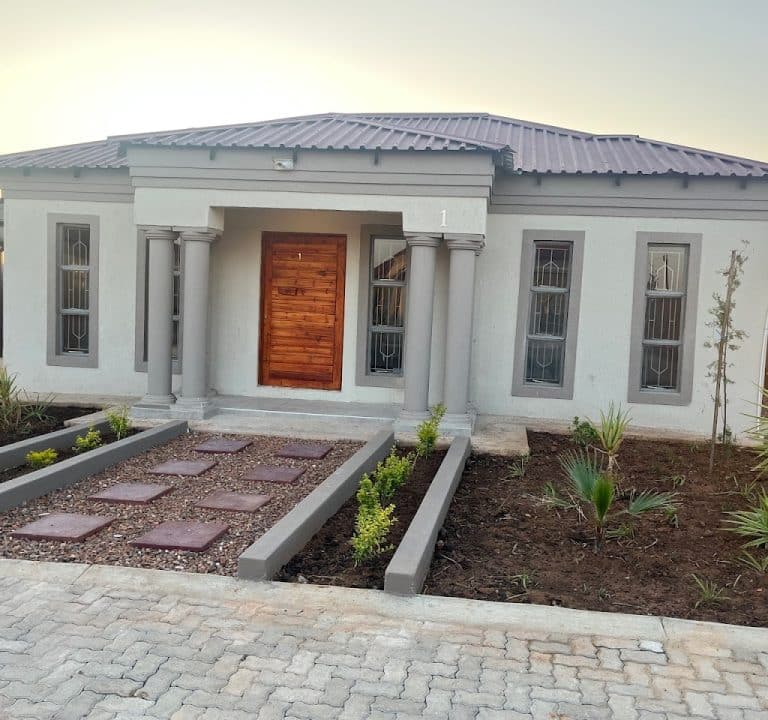
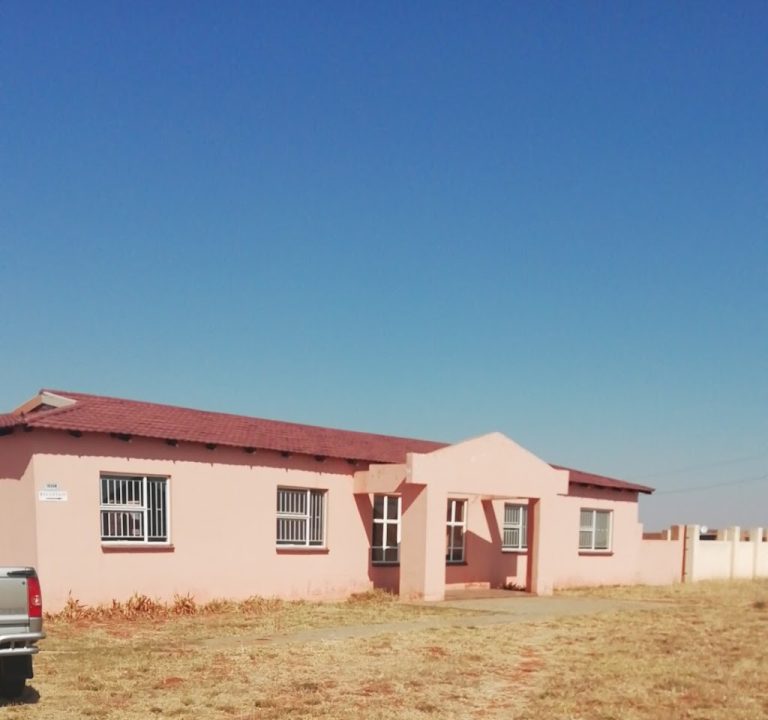
Accommodation in Mahikeng can range from simple, well‑located rooms to more spacious homestays that provide a personalised welcome. A homestay, such as the property located at House 141, Motsaathebe Street, Airport View, can offer a practical base with authentic local interaction. While this article does not endorse any single property by name, you will find that many hosts prioritise comfort, safety, and thoughtful amenities to help visitors feel at home during a short break or an extended stay.
When planning your stay, balance your wish list with realism: how close you want to be to central attractions, how much you value quiet evenings versus access to nightlife or markets, and how much time you would like for day trips. A well‑chosen base in Mahikeng can simplify logistics, freeing you to focus on the experiences that interest you most—whether that is learning about the region’s history, sampling regional cuisine, or simply enjoying a relaxed pace in a welcoming town.