Franschhoek: Accommodation and Planning Your Stay in a Wine- and Gastronomy-Delight
Franschhoek in the Western Cape is renowned for its scenery, rich French heritage and world-class dining. When planning a stay, recognising the lay of the land helps you choose an option that fits your pace, whether you want a cosy village base or a countryside retreat among the vineyards. The town centre is compact and walkable, while many guesthouses and boutique hotels sit on vineyard slopes just beyond the main streets. This mix gives visitors easy access to cellar doors, galleries and eateries, with peaceful spots to unwind after a day exploring the surrounding valley.
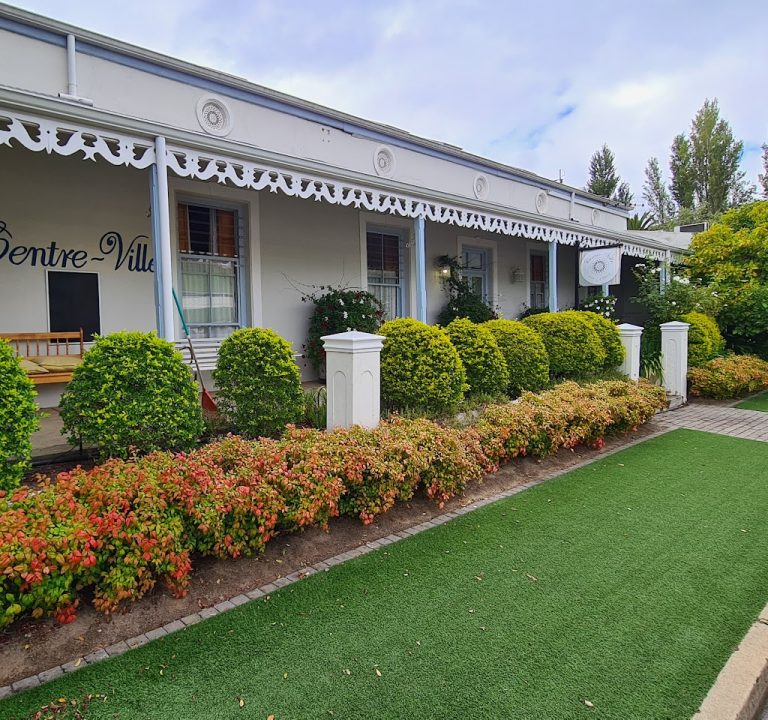
Accommodation in Franschhoek ranges from intimate guesthouses and charming B&Bs to refined boutique hotels and larger vineyard estates. In the village core you’ll often find properties with traditional Cape Dutch or modern farmhouse styling, paired with en-suite rooms, private terraces and sometimes shared lounges or courtyards. A little further out, expect more expansive grounds, larger suites and facilities aimed at families or travellers seeking a quieter atmosphere. Practical features to look for include secure parking, on-site dining options, seasonal outdoor spaces, and easy access to the town’s pedestrian-friendly streets.
When selecting where to stay, consider how you plan to spend your days. If wine tasting is a priority, a property near the northern vineyards or on a winery’s doorstep can cut down travel time between cellar doors. If you prefer long strolls and art galleries, a central location keeps restaurants and shops within a short walk. Families and groups often benefit from properties with kitchens or kitchenettes, private gardens, or shared living spaces that make evenings in feel relaxed and sociable.
Typical amenities you may encounter include air conditioning or underfloor heating, complimentary Wi‑Fi, and hospitality extras such as log fires for cooler evenings, stocked honesty bars, or organised activities. Pools and outdoor terraces are popular, particularly in the warmer months, while some properties offer braai areas for traditional outdoor cooking. A well-equipped property may include transfer services, bike racks for cycling enthusiasts, and guided itinerary suggestions to help you plan winery visits, food experiences or active pursuits like hiking or scenic drives.
Transport in Franschhoek is best approached with flexibility in mind. A car provides the most freedom to hop between estates, markets and viewpoints, and most accommodation suggestions offer parking or easy drop-off routes. If you prefer not to drive, some guesthouses arrange local transfers or can connect you with trusted guides for wine tastings and tours. Within the village, a comfortable stroll is feasible, and taxi services or ride-hailing apps can cover short hops to nearby restaurants or viewpoints.
Best time to visit Franschhoek tends to be during the spring and autumn months. Spring brings blossoms and fresh colours, while autumn offers cooler days and mellow lighting ideal for photography and outdoor pairing of wines with light meals. Peak tourist periods align with harvests and school holidays, so advance booking is wise if you want a particular room, balcony view, or a sought-after dining slot. If you travel in winter, expect cooler evenings and the pleasure of cosying up by a fire after a day of tasting or gallery-seeking. Much of Franschhoek is delightful year-round, so plan around your preferred pace rather than a single “best” month.
When it comes to attractions, the area is rich with wine estates, gastronomic experiences and cultural stops. You’ll typically have access to cellar-door tastings, vineyard walks, and seasonal food-focused events across the region. Many visitors also enjoy a stroll along the main thoroughfare to browse boutiques, galleries and the historic architecture that reflects Franschhoek’s Huguenot legacy. For a flexible itinerary, group visits to multiple estates can be organised through your accommodation or a local concierge, allowing you to balance wine experiences with art, gardens, and scenic viewpoints.
Dining is a highlight of a Franschhoek stay, with a spectrum of eateries from contemporary bistros to refined tasting rooms. In general terms, you can expect menus that showcase regional produce, with influences drawn from European and South African culinary traditions. Booking ahead for popular time slots is sensible, especially during holiday periods, harvest seasons, or wine events. If you prefer a more informal evening, many properties host casual dining or offer recommendations for nearby cafés and casual eateries that maintain high standards without the formality of a dedicated tasting room.
Practical tips to help you plan a smooth visit:
- Book well in advance for peak periods and popular properties, and confirm room types, breakfast arrangements, and access to amenities such as pools or lounges.
- Prioritise properties with easy access to the town centre if you want to stroll to restaurants and galleries, or choose a vineyard-side stay if you value tranquillity and morning vineyard views.
- Check parking availability and whether you’ll need a car for daily winery hops or if a guided tour can reduce the need to drive.
- Consider seasonal weather when packing; summers are warm and dry, while evenings can be cooler outside the hot daytime hours.
- Look for properties offering local knowledge, such as curated itineraries, maps, and recommendations for off-the-beaten-path stops in the surrounding valley.
For ideas on where to begin your search, exploring the village’s heart and its nearby vineyards will help frame the kinds of experiences you value—whether a cosy, intimate stay with easy access to dining and art, or a refined retreat immersed in the scenery and the spirit of Franschhoek. More detailed guidance on itineraries and current offerings can be found via local tourism sources and the websites of individual properties and estates.