Accommodation and Experiences in Cape Town: Planning a Memorable Stay
Cape Town remains a vibrant gateway to the Western Cape, where dramatic coastal scenery, rugged mountains and a wealth of cultural experiences come together to create a destination with real staying power. When planning a visit, choose accommodation that puts you close to the things you love—whether that means harbour views, easy access to beaches, or proximity to urban neighbourhoods filled with cafés, markets and galleries. A representative example is Hoopoe House, a boutique-style option that demonstrates how a well-sited property can blend comfort with convenient access to the city’s core sights.
Neighbourhoods matter as much as the rooms themselves. The V&A Waterfront and the city centre offer convenient access to business hubs, dining and nightlife, while the Atlantic Seaboard gives you sweeping ocean views, chic bistros and easy access to beaches such as Camps Bay and Clifton. For a more laid‑back, leafy feel with traditional architecture and local craft scenes, explore areas like the suburb and greater neighbourhoods that blend residential charm with boutique stays. When choosing where to stay, consider how you want to experience Cape Town day-to-day: do you want long strolls along the promenade, quick trips up Table Mountain, or evenings in candlelit rooms followed by harbour-side dining?
Typical amenities across well‑regarded properties often include strong WiFi, secure parking or easy access to transport, well-equipped kitchens or breakfast options, and 24‑hour reception or on-site staff. Boutique hotels and guesthouses frequently offer personalised touches such as local artwork, curated continental breakfasts, and recommendations for day trips. Where possible, check whether your accommodation provides airport transfers or shuttle services, particularly if you plan to reach the city’s coastal or winelands routes without renting a car. For families or groups, note room configurations, extra beds, and whether a property can arrange child-friendly itineraries or private tours.
Transport in Cape Town is varied and can influence where you base your stay. The city is served by a reliable MyCiTi bus network and an expanding rail system for longer trips, while many visitors prefer self‑driving or hiring a car to explore the winelands, the Cape Peninsula and nature reserves. If you are staying near the CBD or the V&A Waterfront, you’ll also find a high concentration of taxi services, ride‑hailing options and scenic walking routes. When booking, verify accessibility details if you require step-free access or easy luggage handling, and check if the property offers parking arrangements that suit your plans.
The best time to visit Cape Town depends on your priorities. Spring (September to November) and autumn (March to May) bring mild weather and fewer crowds, ideal for outdoor activities such as hiking in Table Mountain National Park or exploring the nearby Cape Peninsula. Summer (December to February) offers long days and energetic coastal life, including beaches and outdoor dining, but can be busy, particularly along tourist hot spots. Winter (June to August) brings cooler days with a chance of rain, which can be a peaceful period for museum visits, wine tastings in Constantia, and indoor culinary experiences. Regardless of when you travel, plan for varying winds and UV levels, and have a flexible itinerary to accommodate occasional weather shifts.
When it comes to attractions and experiences, it’s best to think in terms of balanced days. Iconic natural sights sit alongside world‑class dining, markets and cultural venues. You might spend mornings visiting Table Mountain or the Kirstenbosch National Botanical Garden, followed by waterfront strolls, a harbour cruise, or a guided township tour that offers insight into the region’s history and contemporary life. In the evenings, Cape Town’s dining scene spans seafood brasseries, modern South African cuisine and cosmopolitan eateries. Rather than fixing specific restaurant names, look for venues with fresh, locally sourced ingredients and a lively atmosphere that matches your plans for the day.
For those seeking a taste of the wider region, day trips to the Constantia wine route, the Cape Winelands in Stellenbosch or Franschhoek, and the rolling coastal towns are straightforward with a rental car or a guided tour. Many operators offer half‑ or full‑day itineraries that combine scenery, cellar doors and light meals. If you prefer self‑guided adventures, plan a route that includes coastal drives, viewpoints over the Atlantic Ocean, and a few stops for coffee and crafts in streetfront hubs. Remember to book a flexible itinerary if you wish to swap activities in response to weather or energy levels.
Practical tips to make the most of your stay:
- Pre‑book popular experiences and note cancellation policies, especially in peak seasons.
- Pack layers for variable weather and a compact umbrella for sea breezes or sudden showers.
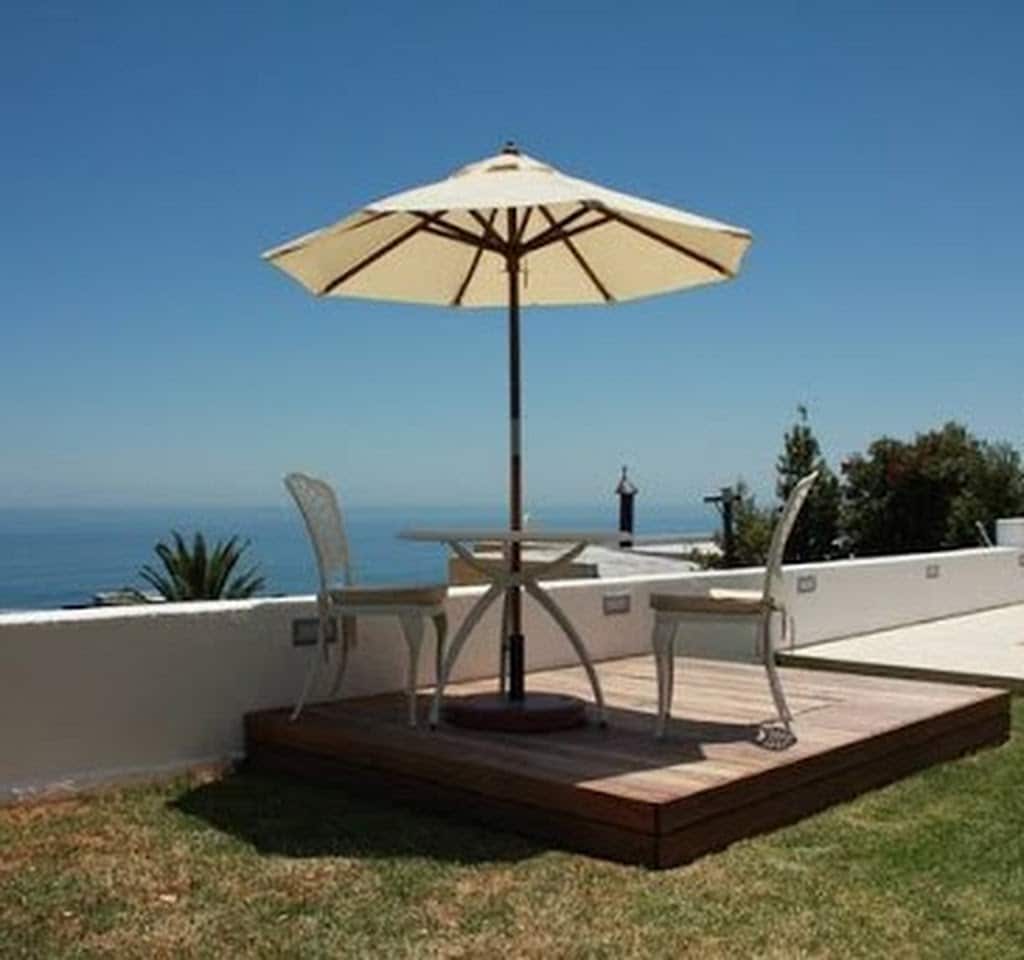
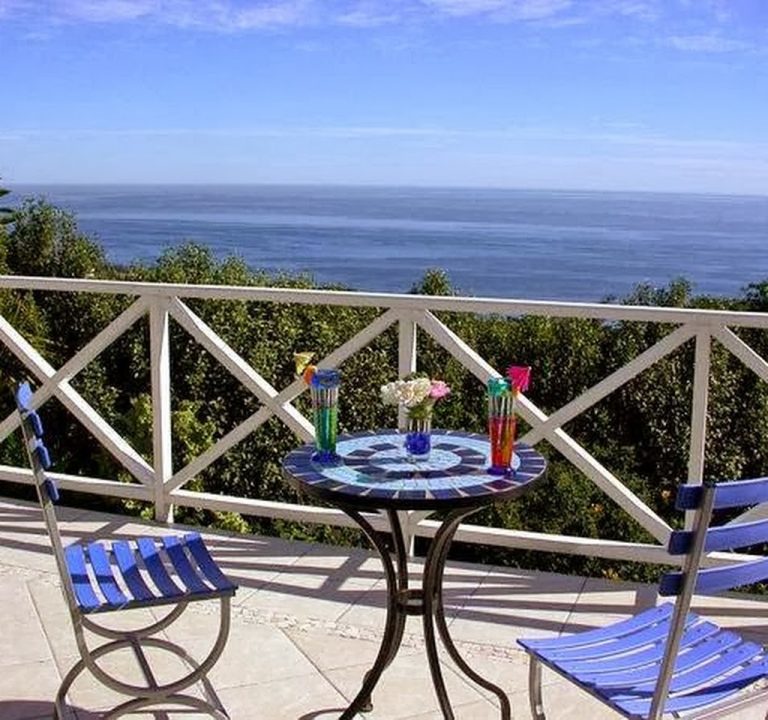
- Choose accommodation with view or access to outdoor spaces where possible, for sunrise or sunset moments.
- Check proximity to public transport routes and the walking distance to attractions you want to cover each day.
- Look for properties offering recommendations or concierge services for personalised day trips.
To help you plan, consider checking official travel resources such as Cape Town Tourism for seasonal guides, event calendars and practical travel tips. Whether you crave beachfront lounging, garden strolls, or city‑centre culture, a well‑chosen base will enrich every aspect of your Cape Town stay. For more inspiration and practical planning, visit https://www.capetown.travel to start mapping your route through this dynamic city.