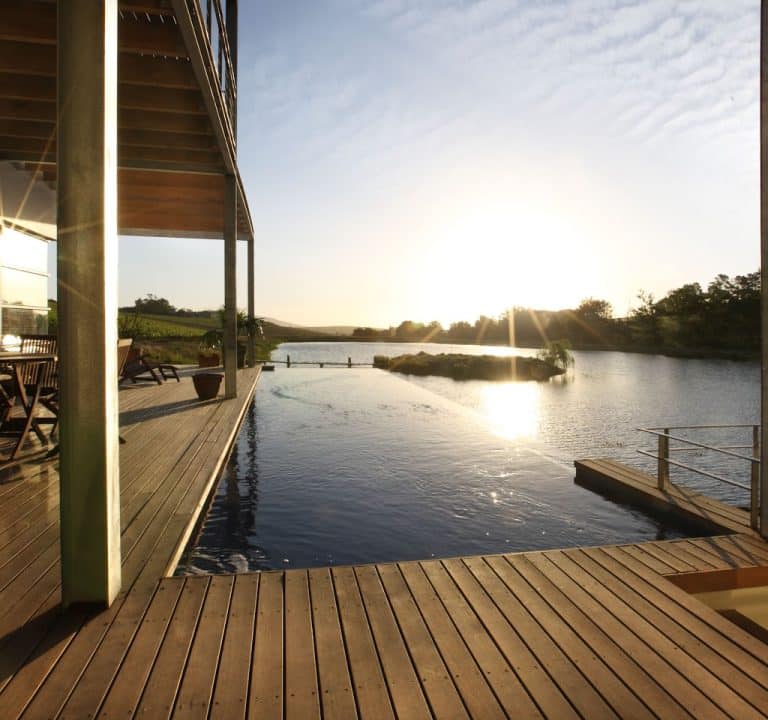
Hoopenburg is a Winemaking supply store establishment in Stellenbosch, Western Cape, South Africa
Hoopenburg: a Stellenbosch wine estate where old-world charm meets new-world precision
Located to the west of Muldersvlei near Stellenbosch, Hoopenburg sits within one of the Cape’s most celebrated terroirs for fine wine. The estate is defined by its unique approach: all grapes are produced from low-yielding bush vines, a practice that underpins a commitment to quality and character. The surrounding landscape is dramatic yet tranquil, framed by the Simonsberg mountain range and offering an unobstructed view toward distant Table Mountain. This setting provides a peaceful backdrop for wine lovers and curious travellers alike who seek a sense of place as much as a tasting experience.
The estate emphasises tradition and natural balance in its winemaking. The climate—Mediterranean in flavour, with southeasterly winds from False Bay and soils enriched by coffee stone—supports the cultivation of grapes destined for distinctive wines. Hoopenburg’s approach is grounded in environmentally friendly farming practices, with a focus on harmony between vineyard, cellar, and the environment. Visitors can expect to encounter a working wine estate that foregrounds site, soil, and season in every glass.
Hoopenburg’s vineyards form the heart of the experience. The estate is noted for producing 100% of its grapes from bush vines, an attribute that influences both the yields and the character of the wines. The vineyards are complemented by a charming homestead and a tasting centre, creating a cohesive and welcoming atmosphere for guests who wish to explore the range, learn about the farming methods, and understand how the landscape shapes flavour. The hand-picked, carefully sorted grapes are fermented in stainless steel tanks or open casks, and many wines are aged in French oak to balance purity of fruit with complexity. This thoughtful process results in wines described as having integrated texture, accessibility, and a sense of place that resonates with wine enthusiasts and casual tasters alike.
Hoopenburg operates as a boutique winery with a reputation for quality and a distinctive style. The range highlights wines crafted from the estate’s own grapes, including varieties that are well-suited to the Western Cape’s climate and terroir. While the tasting room and cellar experiences are the primary draw, the estate’s broader story—the commitment to bush vines, sustainable practices, and a heritage that blends old-world sensibilities with modern winemaking—adds depth to any visit. For those who enjoy a wine landscape that rewards slow tasting and attentive observation, Hoopenburg offers a compelling itinerary that pairs picturesque surroundings with place-based wines.
Visitors to Hoopenburg will find it accessible for a range of interests and occasions. It is particularly well-suited for wine enthusiasts eager to understand how a single estate’s grape-growing choices translate into flavour, texture, and balance. It also serves travellers seeking a serene setting to unwind, with the advantage of being part of Stellenbosch’s renowned wine country without sacrificing tranquillity or intimacy. The estate’s focus on producing high-quality wines from bush vines positions Hoopenburg as a noteworthy stop for those who prioritise provenance and sustainable farming in their wine tourism experiences.
- Unique selling point: 100% bush vine grape production for the estate’s wines.
- Setting: tranquil hillside wine estate framed by the Simonsberg mountains, with views toward Table Mountain.
- Experience: intimate, boutique-style wine exploration with a dedicated tasting centre and a working vineyard.
- Approach: environmentally friendly farming and a hands-on philosophy in both vineyard and cellar.
Nearby highlights contribute to a well-rounded Stellenbosch itinerary. The wine region itself is a magnet for visitors, offering scenic beauty, cellar doors, and a rich culinary scene. Hoopenburg’s profile as a producer of high-quality wines from low-yielding bush vines situates the estate among the Cape’s noteworthy boutique producers, poised to complement longer stays or day trips focused on wine, scenery, and calm. Guests can learn about the estate’s philosophy and the characteristics of its wines through guided tastings or explorations at the tasting centre, with further details and discoveries available on the estate’s main site.
Booking and travel tips for Hoopenburg are straightforward. Plan a day to enjoy the serene grounds, taste a selection of the estate’s wines, and soak up the sense of place that characterises the Western Cape. The site offers information on wines and experiences, and visitors are encouraged to explore the broader Hoopenburg story through the主 site links for more context and current offerings. For those organising a South African wine-countryside itinerary, Hoopenburg provides a compact, authentic stop that pairs well with nearby estates, dramatic mountain scenery, and the hospitality that Stellenbosch is known to deliver. Visitors should check the official site for current tasting options, seasonal highlights, and any events, ensuring a well-timed visit that fits the broader travel plan.
Further exploration of Hoopenburg’s wine range is available online, with detailed pages for individual wines and the broader Hoopenburg Vineyards collection. The estate’s commitment to environmental responsibility is highlighted across the site, underscoring a philosophy that honours the land as the source of quality. For those seeking an itinerary that blends terroir-driven wines with a peaceful, scenic setting, Hoopenburg stands as a thoughtfully curated stop in Stellenbosch’s celebrated wine country. More information and the latest offerings can be found at http://hoopenburg.com/.
Stellenbosch
Western Cape
Stellenbosch
South Africa
Stellenbosch: a guide to staying, sipping and exploring the Winelands
Stellenbosch in the Western Cape is a charming hub of oak-lined streets, ivy-clad guesthouses and world‑class wine estates. Whether you are after a cosy bed-and-breakfast in a leafy neighbourhood or a stylish boutique hotel within walking distance of the town centre, the area offers a range of stays that pair comfort with easy access to the winelands, historic streets and modern eateries. Planning a visit involves thoughtful choices about area, amenities and transport to help you make the most of your time.
Areas to consider when booking include the historic town centre, known for its Cape Dutch and Georgian architecture, and the surrounding farms and hills where many estates offer a rural ambience with scenic views. The town centre is convenient for wandering the pavements, sampling a pastry at a bakery, and stepping into art galleries and museums. If you are chasing a more tranquil retreat, look for properties on the outskirts or alongside vineyard slopes where terraces and pool areas frame the landscape. Some guests prefer staying near the university and main square for lively cafés, while others opt for the countryside calm of the slopes overlooking the Helderberg or Simonsberg ranges. Whatever you choose, proximity to a reputable host or staff who can arrange tastings and itineraries adds considerable value.
Typical amenities to look for when booking include private or communal gardens, reliable Wi‑Fi, parking (ideally on‑site or within easy walking distance), and breakfast options that highlight local produce. Many Stellenbosch stays offer additional touches such as heated pools, spa facilities, or well-equipped kitchens for self‑catering breaks. If you expect to work during your stay, a dedicated workspace and strong mobile reception are worth prioritising. For wine lovers, several properties partner with nearby estates to arrange private tastings, transfers or guided wine tours, which can save time and enhance the experience.
Transport in Stellenbosch is straightforward but varies by location. Renting a car provides maximum flexibility to explore the surrounding wine farms at your own pace, while a stay close to the centre makes walking or cycling practical for short trips and meals. Local taxis and ride‑hailing services are available, though peak tourist periods can require some planning. If you intend to visit multiple wine estates in one day, consider a tour or a private driver service to simplify logistics and maximise time in the tasting rooms rather than in traffic.
The best times to visit Stellenbosch are during the South African spring and autumn, when the weather is mild and the landscape is at its most photogenic. Harvest season (roughly February to April) brings vibrant vineyard activity, but can also be busier. For quieter periods, consider late autumn or early spring. If you are visiting for wine tasting, remember to pace your days: a balanced programme of vineyard visits, a relaxed meal in town, and a stroll along the historic streets makes for a well‑rounded itinerary.
Practical tips for a successful stay:
- Book early for weekend stays during peak season, and inquire about late check‑in arrangements if your travel plans extend into the evening.
- Ask hosts for a personalised itinerary; many properties can arrange tastings, food pairings, or guided vineyard walks.
- Wine tasting etiquette is straightforward: allow staff to guide you through flights, and pace your day to avoid palate fatigue.
- Pack layers for variable weather. Even in warmer months, cool mornings and evenings near the mountains can feel fresh.
- Bring a reusable bottle; many estates encourage refillable water and sustainable practices on site.
Around Stellenbosch, there are countless opportunities to discover local cuisine, farmers’ markets, and eateries that blend South African flavours with international influences. In the town itself, you’ll find eateries that offer breakfast through to dinner, with menus that often showcase seasonal produce, artisan bread and regional cheeses. For wine lovers, nearby estates provide a gentle introduction to the era’s reputations and styles, with landscapes that make a day of tasting an enduring memory. There are also galleries, historic sites, and scenic viewpoints that reward a slow, exploratory approach rather than a rushed itinerary.
When planning a stay, consider adding a winemaking stop such as a nearby boutique estate, which often emphasises sustainable farming and handcraftsmanship. For example, one estate in the region emphasises its commitment to environmentally friendly farming and the beauty of its vineyards and tasting rooms; a short drive from Stellenbosch town may lead you to experiences centred on small‑batch wines and guided tastings. More information about these kinds of experiences, including the option to explore a portfolio of wines online, can be found at their official site: http://hoopenburg.com/.
Ultimately, Stellenbosch offers a balanced mix of refined lodging, historic streets, scenic wine country and approachable dining. By selecting a comfortable base in the right area, booking inclusive stays with thoughtful amenities, and planning a measured schedule of tastings and meals, visitors can enjoy a restful holiday while immersing themselves in the Western Cape’s quintessential winelands experience.
Sorry, no records were found. Please adjust your search criteria and try again.
Sorry, unable to load the Maps API.
Why Claim Your Listing?
Claiming your listing on the B&B Finder directory website is a valuable opportunity for business owners. Here are five reasons why you should consider claiming your listings:
Control Over Business Information: By claiming their listing, business owners can ensure that all the information presented is accurate and up-to-date. This includes details such as contact information, address, pricing, and available services or amenities. Accurate information helps prevent customer confusion and improves overall satisfaction.
Enhance the Listing: Once a listing is claimed, owners can enhance it by adding more comprehensive information and rich media, like high-quality photos and videos. These additions can make the listing more attractive and engaging to potential customers, thereby increasing the likelihood of bookings.
Marketing Opportunities: Claiming a listing can also open up additional marketing opportunities. Owners may be able to participate in promotional campaigns, special offers, and other marketing activities organized by the directory. This can increase visibility and attract more customers to the business.