Tulbagh: Where to stay, explore, eat and enjoy in the Western Cape
Tulbagh sits in a valley fringed by the Winterhoek mountains, a pretty, heritage-rich town renowned for its Cape Dutch architecture and surrounding vineyards. A stay here blends easy access to rural scenery with the conveniences of a compact town, making it ideal for travellers who want a relaxed base from which to explore the Winelands and the Karoo-influenced landscapes beyond. When planning a visit, consider how you will move around, where you would like to be based, and what kind of pace you want for your days.
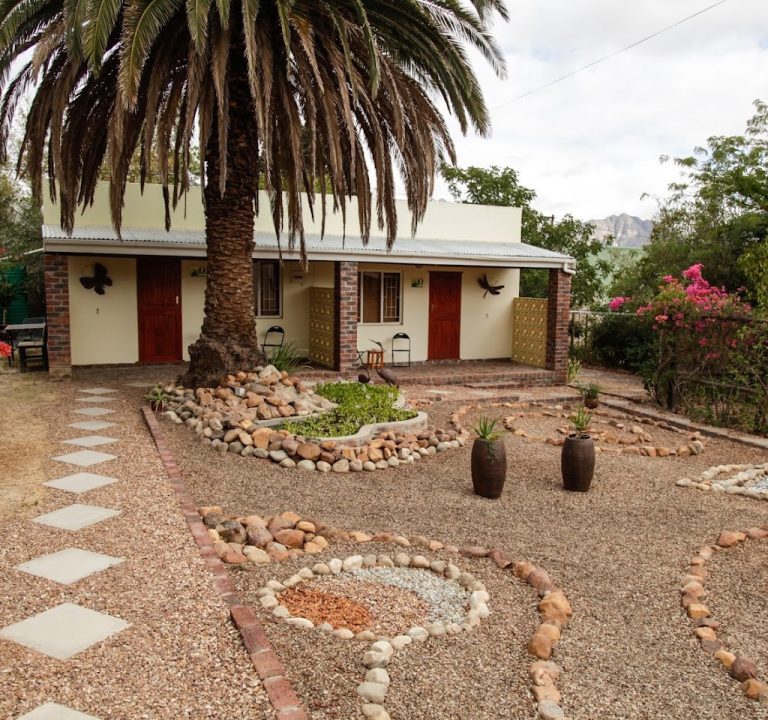
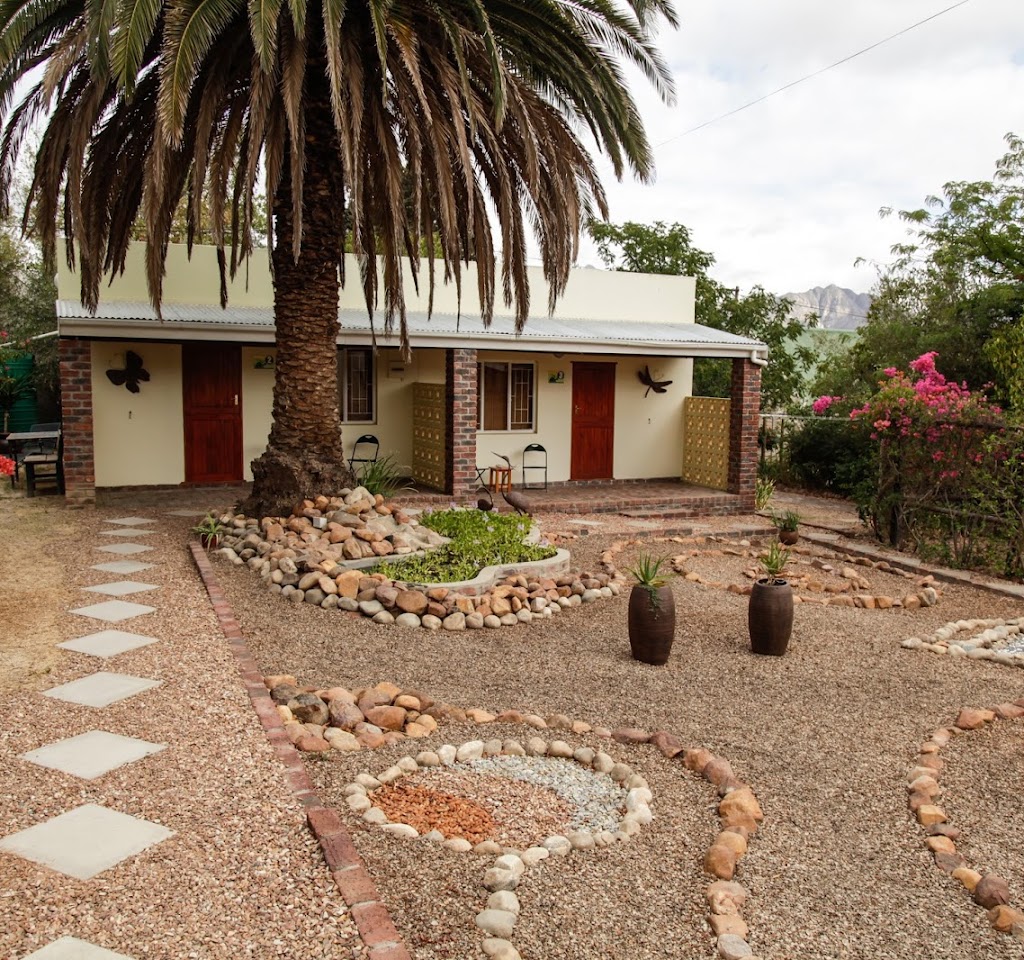
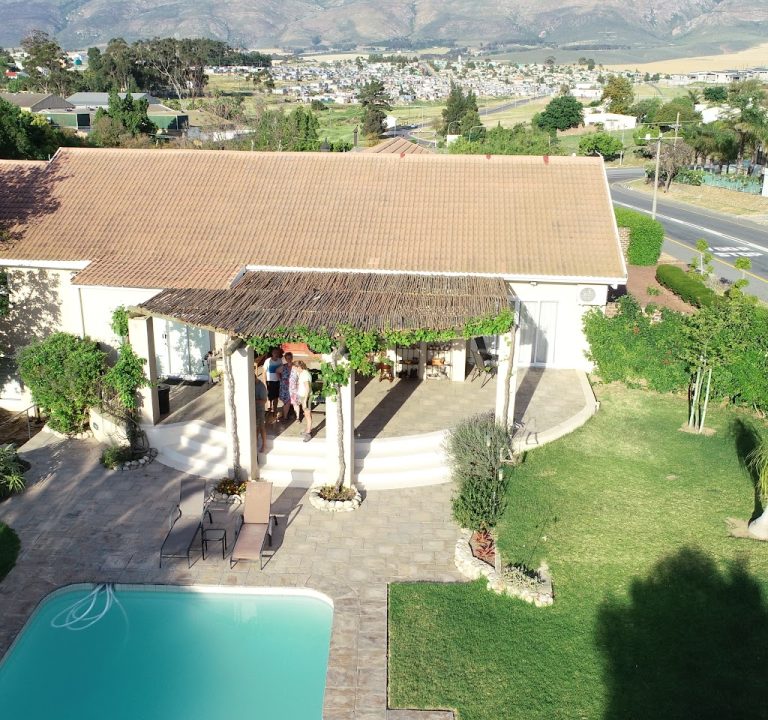
Accommodation in Tulbagh ranges from characterful self-catering cottages and guesthouses to boutique inns and rural lodges. For a stay that feels truly part of the town, look for properties within or close to Church Street and the historic centre, where you can stroll to bakeries, cafés and the town square. If you prefer a more tranquil backdrop, consider lodging on the outskirts or near the vineyards, where terraces overlook olive groves and mountain views. Many properties offer kitchen facilities, outdoor spaces and parking, which are practical pluses for a laid-back family break or a romantic retreat.
When choosing a place to stay, consider the following:
- Location and access: A short walk to the town’s historic core is convenient for daytime exploring and evening meals. If you’ll be driving to area attractions, verify on-site parking or easy street parking nearby.
- Amenities and flexibility: Self-catering options are handy for longer stays or family trips, while cosy guesthouses may include breakfast and attentive hosts who can share local tips. Check for Wi‑Fi, laundry facilities, and quiet rooms if you need space to work or rest between excursions.
- Character and quiet: Tulbagh’s architectural heritage gives many places a distinctive atmosphere. If you value a calm environment, look for properties in residential streets or at a short distance from the town’s main thoroughfares.
- Access to experiences: Some stays offer organised activities, such as wine tastings, guided walks or vineyard visits. If a curated experience appeals, enquire before arrival to see what can be arranged.
Typical amenities you may encounter include well-equipped kitchens or kitchenettes, heating or wood-burning stoves for cooler evenings, private gardens or balconies, pet-friendly options, and secure parking. Hosts are often happy to share recommendations for local walks, sunrise viewpoints, and family-friendly activities, which can enrich your visit beyond the well-trodden tourist routes.
Getting around Tulbagh is straightforward with a car, which makes it easy to explore within the valley and to reach nearby towns and farms. Some visitors choose to join a guided wine-tasting or olive oil tour organised by regional operators, which can provide insight into the terroir and the production processes. If you do not plan to drive, check with your lodging about arranged transfers or proximity to local cafés and a central meeting point for rideshares or taxis.
Best time to visit Tulbagh tends to reflect a blend of climate, scenery and crowd levels. Spring and autumn offer mild weather and pleasant wildlife and garden displays, making these seasons ideal for outdoor strolling and photography. Winter brings cooler evenings, a cosy atmosphere in fireside lounge spaces, and clear skies for stargazing, while summer mornings may be warm and afternoons can bring refreshing breezes from the mountains. The surrounding winelands are particularly appealing during harvest periods when the countryside displays a tapestry of green vines and golden grasses. If you enjoy wildflowers, plan a spring visit to experience the floral displays that light up the valley after seasonal rains.
Attractions within reach of Tulbagh stretch from architectural heritage to natural scenery. In the town itself, you’ll encounter a compact heritage core with well-preserved Cape Dutch façades and historic churches, creating a charming setting for strolls and photography. Day trips can combine wine-tasting experiences in nearby estates with scenic drives through mountains and farmland. The surrounding area offers opportunities for gentle hikes, birdwatching, and countryside picnics, complemented by rural farm-stays and olive or fruit-farm experiences. For travellers who enjoy cultural immersion, local galleries and craft shops provide a window into regional artistry and craftsmanship, while farmers’ markets and community events offer a glimpse of everyday life in this rural winelands region.
Dining in Tulbagh ranges from rustic cafés to more refined eateries housed in historic spaces. Expect menus that showcase seasonal, locally sourced ingredients, with opportunities to enjoy fresh bread, cheeses and fruit from nearby farms. While specific restaurant names and menus can change, you can expect warm hospitality, a relaxed atmosphere and the chance to pair regional wines with simple, well-crafted meals. If you’re staying in a self-catering property or a guesthouse with a kitchen, you’ll also have the flexibility to prepare your own meals using local produce, which is a practical and enjoyable way to sample tulbagh’s bounty.
Practical tips for a smoother stay: plan your route in advance and book accommodation with a clear sense of what you want from the town centre versus a quiet countryside setting. Bring layers for changing temperatures, especially in the evenings, and pack comfortable footwear for strolling along historic lanes and surrounding trails. Check in advance for any seasonal road conditions or farm access notes, and confirm whether there are on-site facilities such as a pool or outdoor seating that suit your plans. For more information and ideas on places to stay, see the official tourism resources and regional guides, which can help you tailor a stay that balances culture, landscape and relaxation.
Useful resources: official tourism pages and regional guides offer current listings of places to stay, dining options, and activities in and around Tulbagh. For planning ideas and inspiration, visit Tulbagh’s local tourism sites and regional Western Cape pages.