Staying in Mokopane: accommodation, attractions and practical tips for a memorable visit
Mokopane, located in the Limpopo province of South Africa, offers a gateway to rich cultural experiences, wildlife vistas and year-round warm hospitality. When planning a stay, consider not only where to sleep but how your daily rhythms will shape your trip. The town serves as a convenient base for exploring nearby nature reserves, farmland viewpoints and traditional markets, while also hosting guesthouses and lodges that emphasise personalised service and a relaxed atmosphere.
Accommodation options
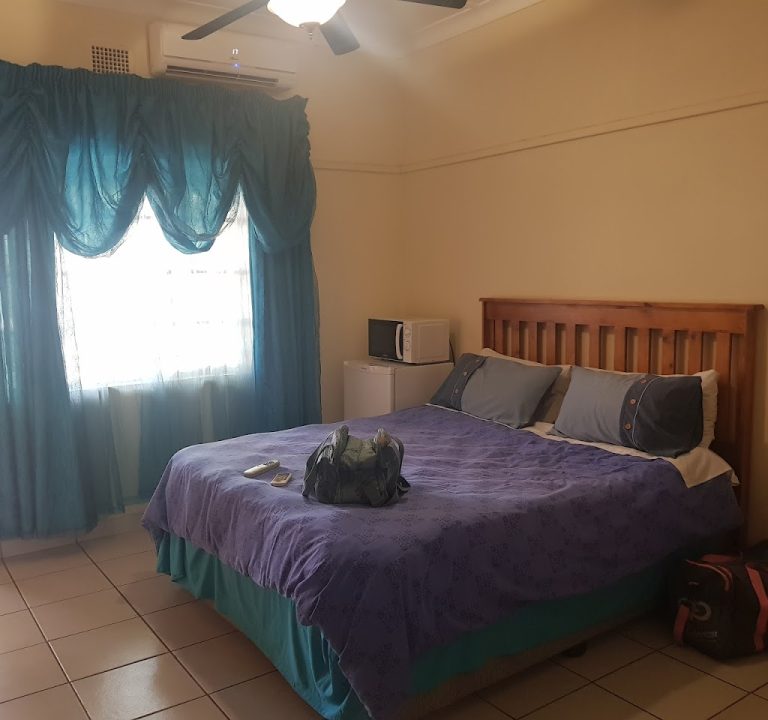
For a traveller seeking a more intimate stay, guest houses and boutique lodges in and around Mokopane often provide a homely ambience, with hosts who can share practical tips about local routes and attractions. Facilities commonly include private or en-suite bathrooms, options for breakfast, secure parking, and comfortable common areas for winding down after a day of exploring. If you prefer a more self-contained stay, self-catering apartments or cottages near town centres can offer flexibility for families or longer visits.
When choosing a place to stay, think about access to key routes, security features, and the surrounding neighbourhood. Areas closer to the town centre usually place you within easy reach of shops and eateries, while quieter outskirts can offer a more tranquil stay and closer proximity to nature reserves. If you are travelling with children or mobility considerations, look for ground-floor rooms, wide doorways, and clear walkways. It can be helpful to confirm late arrival arrangements and the availability of helpful reception staff who can assist with day trips.
Typical amenities
- En-suite bathrooms and comfortable bedding
- Free or reliable Wi-Fi
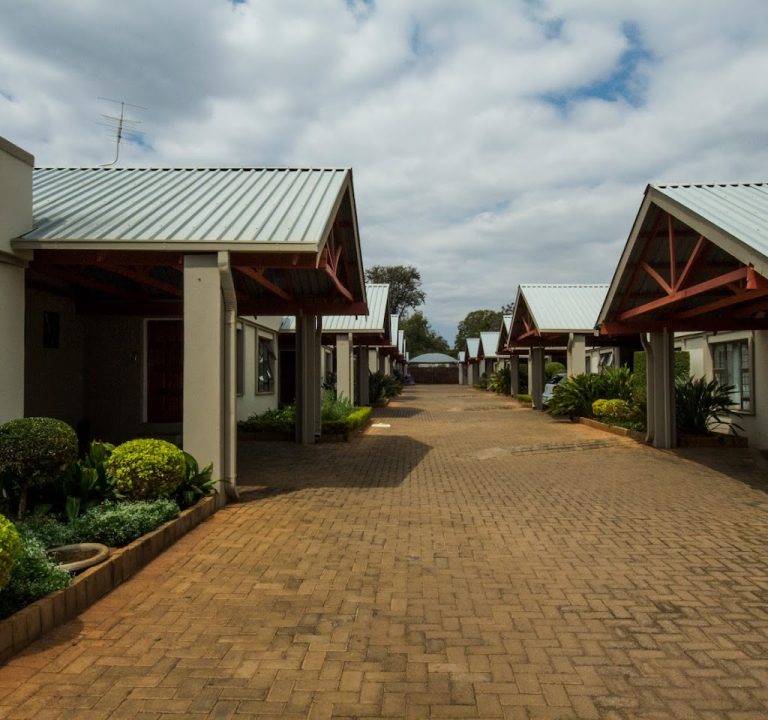
- On-site parking or secure off-street parking
- Breakfast options, sometimes included or available to order
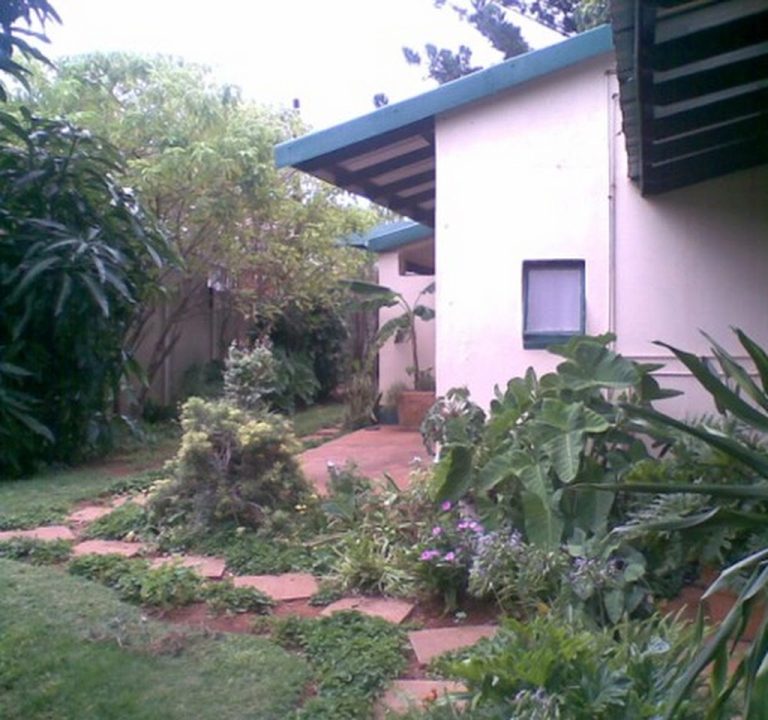
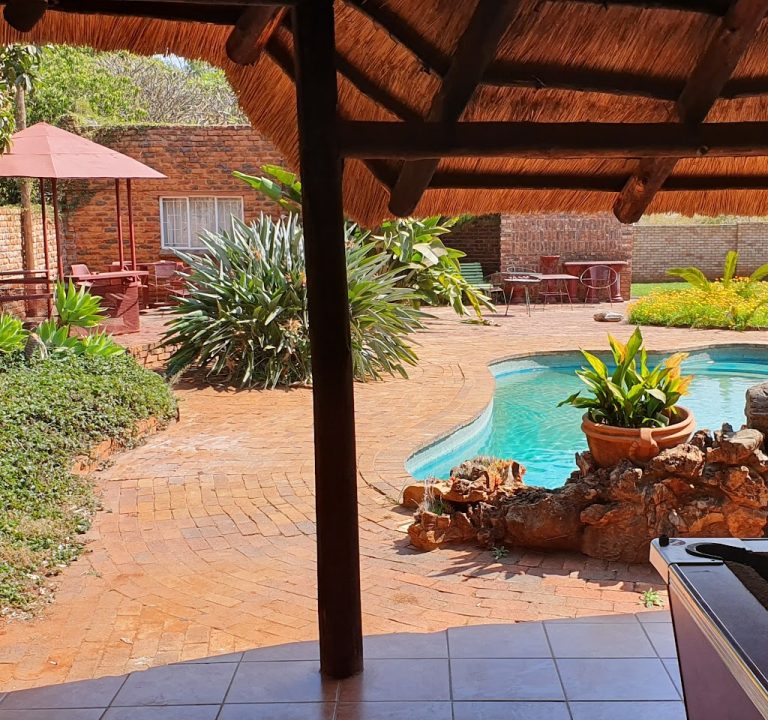
- Outdoor spaces such as terraces or gardens to enjoy morning coffee or an evening meal
- Local knowledge from hosts or managers about routes, markets and seasonal events
- Laundry services or facilities, particularly useful for longer stays
- Basic kitchen facilities or access to shared kitchens for self-catering
Transport and getting around
Mokopane is best explored with flexible transport, especially if you plan to visit nature reserves or farther afield. Consider hiring a car for the convenience of early starts and the ability to reach rural viewpoints at your own pace. If you prefer not to drive, check whether your accommodation can arrange taxis or local transfers and confirm approximate costs in advance. For shorter local trips, some guest houses may provide bicycle hire or organise guided walks, which can be a pleasant way to see nearby landscapes and farmland.
Best time to visit
The Limpopo region tends to enjoy a warm climate with distinct wet and dry seasons. Many travellers favour the cooler, drier months for outdoor activities and game-spotting in nearby reserves. The rainy season can bring lush scenery and vibrant colours, though it may affect travel plans if roads become less predictable. If your focus is wildlife, early mornings and late afternoons are often the most rewarding times to be out in nature, regardless of the season.
Planning your stay
- Decide on your priorities: wildlife, culture, markets, or a relaxed retreat.
- Choose accommodation that aligns with your plans, whether it’s a central guest house for easy dining and shopping access or a more secluded lodge for immersion in nature.
- Check cancellation policies and any seasonal pricing to maximise value.
- Confirm what meals are included and whether there are nearby dining options that suit your tastes and budget.
- If you have specific needs (dietary, accessibility, mobility), raise these with your host ahead of arrival.
Eating out and local experiences
Mokopane offers a range of eateries that reflect the region’s warmth and agricultural heritage. Expect relaxed cafés, bistros and traditional-style restaurants where dishes emphasise fresh ingredients from local farms. For a balanced visit, it’s worth sampling both quick, casual spots for light meals and more formal restaurants where you can explore South African flavours in a convivial setting. In addition to dining, many visitors enjoy markets, craft stalls and cultural demonstrations that provide insight into the region’s heritage. Your accommodation hosts can usually point you to reputable venues and help with reservations if required.
Attractions in and around Mokopane
- The surrounding countryside offers scenic drives and easy access to nature reserves and wildlife viewing. The landscape lends itself to photographic moments, particularly at sunrise and sunset.
- Local markets and cultural centres showcase crafts, music and stories that reveal the everyday life of the region.
- For outdoors lovers, gentle hikes, birdwatching and farm-to-table experiences are common ways to spend a day without needing long travel times.
Practical tips for a smooth stay
- Bring layers for temperature changes; even in warmer months, early mornings and evenings can be cooler.
- Pack a light rain jacket or umbrella during the wetter season, especially if you plan outdoor activities.
- Have comfortable footwear suitable for uneven paths or gravel tracks frequently found around reserves and village areas.
- Respect local customs and ask hosts for guidance on photography and areas that may have restricted access.
- Confirm inclusions such as breakfast or airport transfers, and keep a copy of your booking details handy.
- If you’re travelling with children, plan for downtime between activities; some guest houses offer quiet spaces and gardens ideal for parents to relax with a book.
A well-chosen stay in Mokopane can be the anchor of a memorable Limpopo itinerary. By selecting accommodation that fits your pace, planning transport thoughtfully, and balancing wildlife or cultural experiences with downtime, you can enjoy a rewarding mix of comfort and discovery. For the most up-to-date information on places to stay and suggested routes, consider visiting official regional tourism sites or reputable travel guides, and consult your chosen guest house for personalised recommendations and practical tips tailored to your dates and interests.