Accommodating Nomcondo: Where to stay and what to do in KwaZulu-Natal
Nestled in the KwaZulu-Natal region, Nomcondo offers a relaxed base for travellers seeking a balance of nature, culture and convenient access to the wider Zululand coast. With a mix of lodge-style retreats, guesthouses and self-catering options, visitors can tailor a stay to suit an intimate weekend away or a longer explorer’s itinerary. Planning ahead helps you maximise your time, especially if you want to combine wildlife experiences with time in nearby towns, beaches and conservation areas.
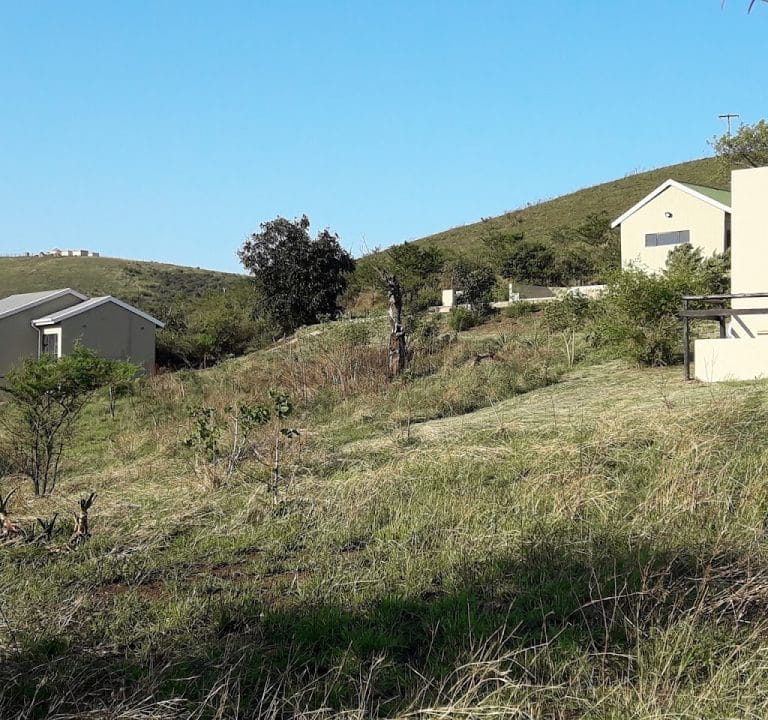
Where to stay matters as you plan your itinerary. Consider staying in a lodge or guesthouse within easy reach of the major gateways and attractions, but with enough quiet and character to feel like a true get‑away. In Nomcondo and the surrounding areas, you’ll often find properties that blend seamlessly into the landscape, offering verandahs, shaded decks and plunge pools that invite you to unwind after a day of exploration. When choosing accommodation, look for options that clearly state the distance to key sights, access to on-site meals or nearby dining, and whether guided activities or transfers are available.
Typical amenities to look for include air‑conditioning or fans for warmer months, secure parking, reliable Wi‑Fi, and thoughtful touches such as tea and coffee facilities, safes, and well‑appointed bathrooms. If you’re planning to visit during peak travel periods or school holidays, it’s wise to book well in advance, particularly for properties with limited rooms or those situated near conservation areas where demand can rise quickly. For guests who enjoy a self‑catering element, a well‑equipped kitchen or kitchenettes, plus barbecue facilities, can be a practical and enjoyable feature.
Transport is a practical consideration. The region benefits from road access, with many lodges and guesthouses offering airport and town transfers or reasonable distances to car hire services. If you’re driving, ensure your rental car has adequate space for luggage and comfort for longer drives through countryside roads. For those relying on public transport, check proximity to major bus routes or organised tours that can connect you to wildlife reserves, cultural sites, and coastal towns. Some lodges also arrange day trips or guided safaris, which can be a convenient way to experience the area without self‑driving between activities.
Best time to visit KwaZulu-Natal varies with your priorities. The coastal areas enjoy warm, sunny weather for the majority of the year, making beach days and outdoor activities appealing. The inland regions experience a more distinct dry season and can be excellent for wildlife viewing in certain reserves when animals congregate around reliable water sources. If you’re keen on birding or photographic opportunites, early mornings and late afternoons are often the best times for wildlife and scenery. Pack versatile clothing to cope with varying temperatures between early mornings and late evenings, and don’t forget sun protection and insect repellent for outdoor excursions.
When planning an itinerary, balance should be found between wildlife, culture, dining and relaxation. A typical stay could anchor around a couple of nights in a lodge or guesthouse, with day trips to a nearby wildlife reserve or nature trail, a visit to local markets or cultural centres, and a relaxed evening sampling regional flavours at hotel or lodge restaurants. For guests who prefer light activity, short nature walks, scenic drives along coastal routes, and civilised evenings in comfortable settings can be very satisfying. If you’re after more structured experiences, ask hosts about guided walks, community visits, or conservation projects you can join or observe.
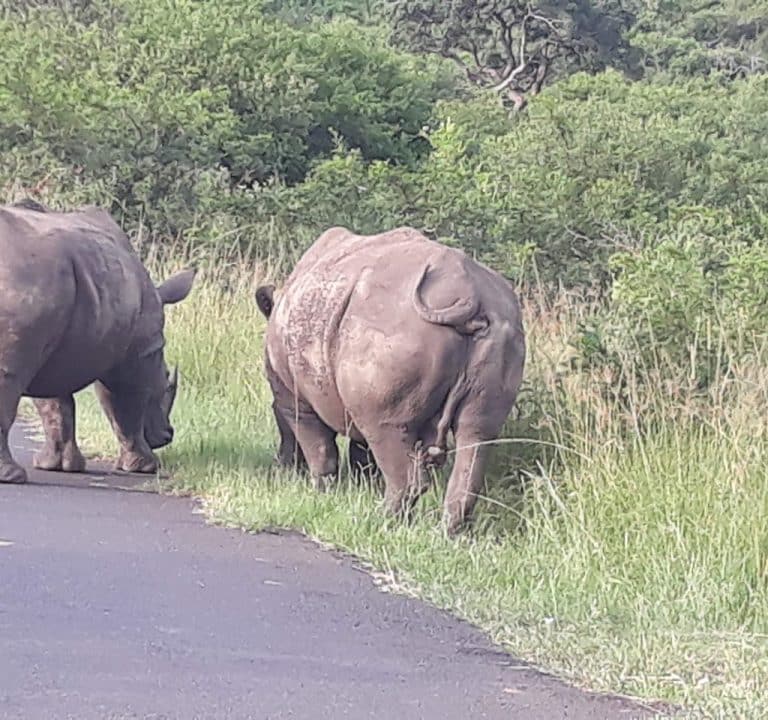
Attractions and experiences in the region are best enjoyed in a broad, low‑stress plan. If wildlife is a priority, you’ll want to base yourself within reasonable distance of reserves or game facilities, where you can observe birdlife, antelope and other wildlife in their natural habitats. For those drawn to culture and heritage, the KwaZulu-Natal coast offers coastal towns with markets, craft stalls and galleries that celebrate local artistry and history. Dining options range from lodge dining rooms serving guest-centric menus to casual eateries that showcase local ingredients. While specific restaurant names and prices can change, choosing accommodation with on‑site meals or recommended local dining options can simplify evenings after a day of exploration.
- Look for properties with flexible booking policies, clear cancellation terms, and transparent pricing that includes taxes and resort fees where applicable.
- Check for on-site facilities such as pools, outdoor seating, and shaded loungers which can enhance relaxation after day trips.
- Ask about guided experiences, transfers, and the availability of early breakfasts or packed lunches if you plan early starts for activities.
- Confirm accessibility to essential services: nearby supermarkets, petrol stations, medical facilities, and reliable mobile reception or Wi‑Fi depending on your needs.
Practical tips to help you plan a smoother stay include confirming driving routes in advance, allowing extra time during transfers, and having a rough, flexible daily plan to accommodate weather or wildlife outlooks. It’s useful to have a short list of nearby dining options or markets in case you prefer trying different venues. If you’re travelling with children or older travellers, look for accommodation with family‑friendly spaces, safe outdoor areas, and easy access to rooms from parking.
For further inspiration and up‑to‑date information on travel planning in KwaZulu‑Natal, you can consult regional tourism resources and official destination sites. These sources typically provide practical guidance on accessibility, seasonal highlights, and suggested itineraries tailored to varied interests. When booking, it’s sensible to cross‑check with the accommodation provider about transfer options, meal arrangements, and any activity bookings to ensure a cohesive and enjoyable visit to Nomcondo and the surrounding KwaZulu‑Natal landscape.