Accommodation, attractions and planning a stay in Mkuze, KwaZulu-Natal
Nestled in the heart of KwaZulu-Natal’s subtropical landscape, Mkuze is a gateway to wilderness without the long-haul travel. Visitors come for wildlife, birdwatching, and easy access to the Hluhluwe-Imfolozi Park system, while enjoying the tranquil village atmosphere that characterises this part of northern KwaZulu-Natal. A well-chosen base—whether a comfortable B&B, a boutique hotel, or a lodge-style retreat—can make a stay here both convenient and memorable.
When planning accommodation in Mkuze, consider proximity to key experiences. The town offers a range of options, from modest guesthouses to more polished hotels such as those marketed as lodges or country retreats. If you’re prioritising wildlife and day trips to the nearby reserves, aim for staying within a short drive of the park gates or along the routes that connect the park with Mkuze town. For those seeking a quieter, more secluded setting, a lodge or homestead outside the town can provide a serene backdrop for late afternoons and early mornings on safari-style pursuits.
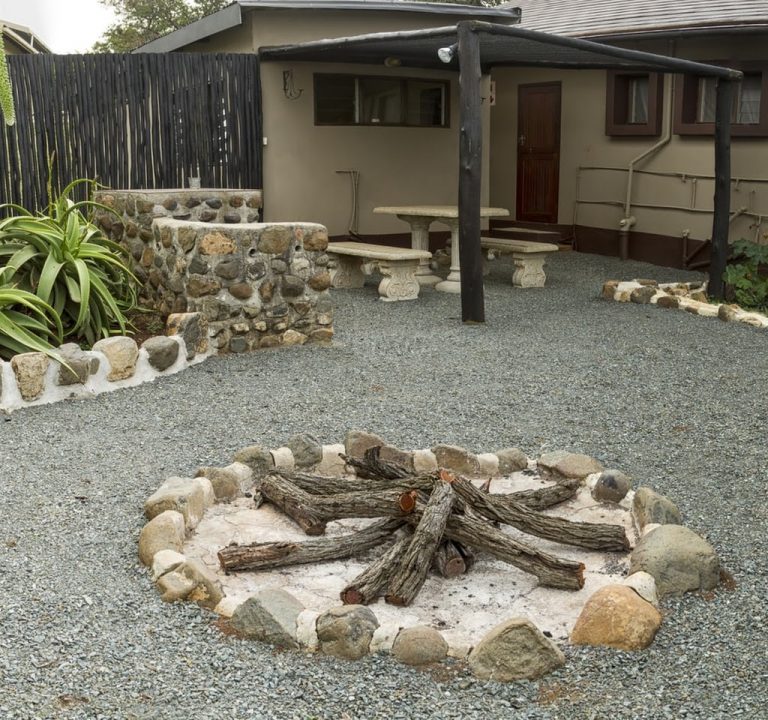
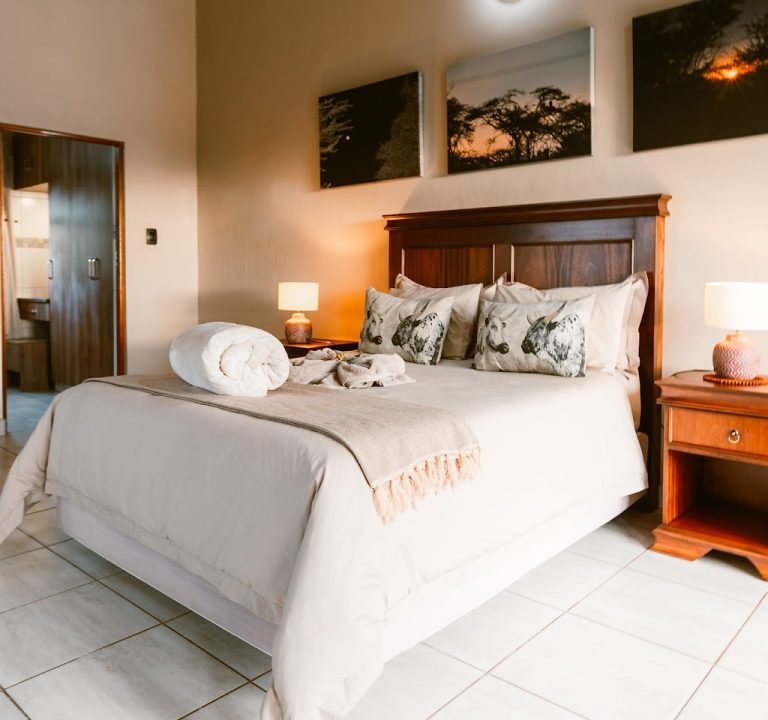
Typical amenities you might encounter include private or en-suite bathrooms, air conditioning or fans for Mugene’s warm nights, mosquito nets, and reliable vehicle parking. Many properties offer breakfast or full-board packages, which can simplify logistics after early morning game drives. A growing number of destinations also provide on-site dining options, communal lounges, swimming pools, and guided activity programmes. If you’re travelling with family or a group, look for family rooms or interconnecting suites, as well as outdoor spaces where children can unwind after a day in the heat.
Transport is a practical consideration for a Mkuze stay. The town is accessible by road from Richards Bay and the KwaZulu-Natal coast, with car hire a common choice for flexibility. Public transport options are limited, so most visitors prefer self-drive or organised transfers from major hubs. If you fly in, the closest air links typically involve regional airports with onward road connections. Check with your accommodation about secure parking and arrangements for late arrivals, especially if your itinerary includes early morning excursions into nature reserves.
- Location and access: Choose a property with straightforward access to the reserve gates and main routes to common day-trip destinations.
- Rooms and comfort: Look for clean, well-maintained rooms with air conditioning or fans, insect protection, and adequate shade for hot days.
- Dining and inclusions: Consider whether breakfast is included, and whether there are options for packed lunches if you plan early morning outings.
- Facilities: A pool or outdoor seating, reliable Wi‑Fi, and a safe place to store valuables can enhance comfort, especially for longer stays.
- Activity planning: Some accommodations offer guided tours, birdwatching expeditions, or wildlife walks—these can be helpful in crafting a balanced itinerary.
For those interested in wildlife and natural beauty, Mkuze offers more than the immediate reserve experience. While the area is known for its game-viewing opportunities, it also serves as a convenient base for exploring broader KwaZulu-Natal highlights. The surrounding landscapes showcase savannah, swamplands, and riverine habitats that attract a diverse array of birds and mammals. Even without relying on specific sponsored attractions, you can expect rewarding nature experiences through self-guided drives or optional guided tours offered by reputable accommodations.
When it comes to attractions and dining in general terms, guests often factor in local nature experiences alongside modest, friendly dining options in town. Expect eateries and venues that specialise in regional flavours and seasonal produce, with menus that celebrate local herbs, breads, and grilled favourites. While exact names and prices change over time, you can plan to enjoy relaxed meals that suit a day of outdoor activity—whether that means a savoury brunch after a dawn drive or a light dinner following sunset wildlife observations. For a calmer afternoon, some properties arrange sunset gin or wine tastings, or offer snacks by the pool or garden—simple pleasures that pair well with the area’s natural rewards.
Best time to visit Mkuze depends on your priorities. The dry season (roughly May to September) often delivers clearer wildlife viewing as animals congregate around available water sources, with cooler temperatures in the early mornings and evenings. The rainy season can bring dramatic skies and lush, green landscapes, though some roads may be less comfortable in heavy rain. The shoulder months can offer a balance of good wildlife opportunities and pleasant weather. If you’re a birder, the area’s varied habitats sustain a rich avifauna year-round, with peak activity often tied to seasonal migrations and local rains.
Practical tips for planning a stay in Mkuze:
- Book early in peak seasons to secure preferred rooms and convenient access to the park.
- Check transfer options and parking details, particularly if your plan includes early starts for game drives.
- Bring lightweight, breathable clothing for daytime comfort, plus a warmer layer for early mornings and evenings.
- Insect protection is sensible, especially during warmer months and in eco-friendly lodges or guesthouses near water.
- Respect wildlife and local guidelines, and choose operators or properties with responsible travel credentials.
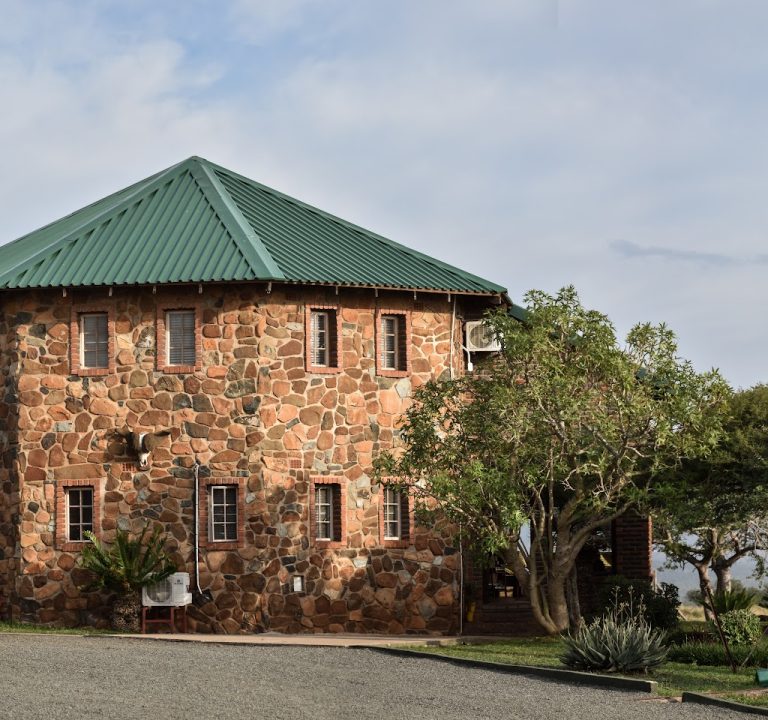
One notable option to consider is Hlekani Homestead, a hotel-style stay that captures the tranquil, rural ambience of Mkuze while offering convenient access to the surrounding landscapes. With a focus on restful comfort and practical amenities, it can serve as a reliable base for exploring the region. For further information, you can explore official tourism pages or the properties’ own websites where available.