Accommodation and Attractions in Buyskloof, Eastern Cape: Planning a Relaxed, Wildlife-Cilled Stay
Buyskloof in the Eastern Cape offers a blend of rustic charm and natural splendour, making it a rewarding base for visitors seeking wildlife experiences, scenic landscapes and easy access to wider coastal and inland excursions. The area is well suited to travellers who prefer a quieter stay with authentic South African hospitality, while still offering convenient routes to game reserves, nature trails and family-friendly activities. When planning a stay, consider how you want to balance wildlife time with cultural exploration and downtime in peaceful surroundings.
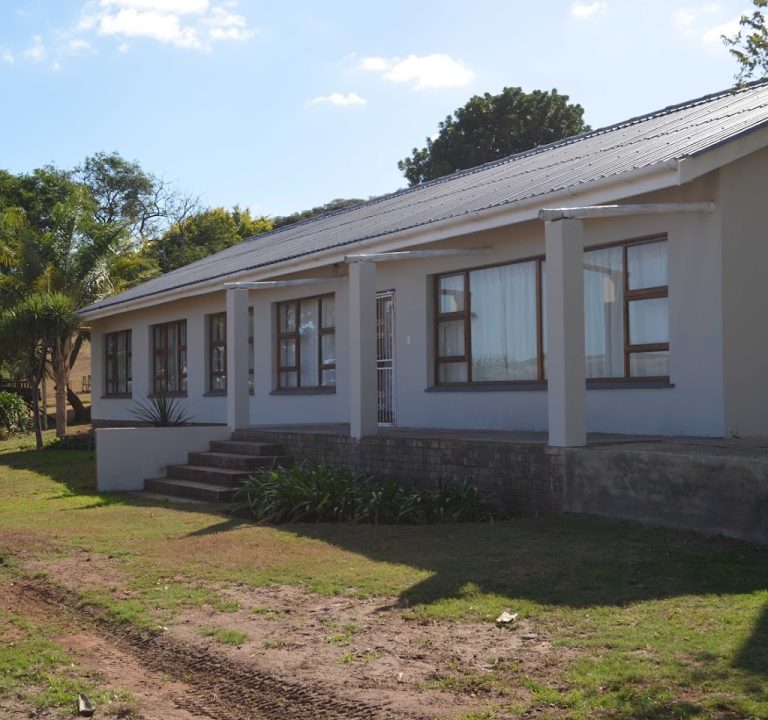
Accommodation in Buyskloof ranges from intimate guesthouses and self-catering cottages to safari camps within nearby reserves. Booking a stay in this part of the Eastern Cape often means prioritising location relative to wildlife areas, routes to the coast, and the level of personal service you desire. For many visitors, a combination of one or two nights in a lodge or guesthouse plus a longer stay in a self-catering option provides the best balance between structure and flexibility. Look for hosts or properties that offer clear directions, straightforward check-in processes, and staff who can suggest day trips and practical itineraries.
When choosing where to stay, consider the following areas and qualities:
- Proximity to wildlife reserves or conservation areas for easy morning or late-afternoon game drives.
- Quiet, safe neighbourhoods with clear access routes and reasonable driving times to towns, eateries and viewpoints.
- On-site amenities that suit your pace, such as verandah seating, communal spaces, reliable wi‑fi for planning your day, and comfortable sleeping arrangements that match your travel party.
- Options for guided activities, from bush walks to birdwatching or cultural experiences that provide authentic insights into the region.
Typical amenities to look for include air conditioning or good ventilation for the subtropical climate, secure parking, daily housekeeping, and flexible meal arrangements. Many guesthouses and safari lodges in the area offer breakfast included in the rate, with options for dinner either on-site or at nearby eateries. If you plan to self-cater, verify the availability of a well-equipped kitchen, essential utensils, and reliable grocery access within a reasonable drive.
Transport is a practical consideration in Buyskloof. Self-driving gives you maximum freedom to wander between reserves, beaches and towns. If you prefer not to drive, several accommodation providers can arrange transfers or guided day trips, including visits to notable wildlife experiences in the broader Amakhala and surrounding reserves. When budgeting, allow for fuel, seasonal road conditions and occasional scenic detours to viewpoints or rural towns. Having a backup plan for rainy days or unforeseen delays helps, especially during peak visitor periods.
Best time to visit Buyskloof and the Eastern Cape generally hinges on what you want from your trip. The region benefits from a temperate climate with warm summers and mild winters. In the wildlife context, early mornings and late afternoons are often prime for animal sightings, so staying somewhere with easy access to sunrise or sunset activities is advantageous. The shoulder seasons can offer quieter parks, pleasant weather, and good value. If you are keen on birdlife, spring and early summer bring a thriving array of species. For whale enthusiasts, coastal incursions along the eastern shoreline can be rewarding in season. Always check local weather patterns and reserve guidelines before finalising plans.
Attractions in and around Buyskloof are generally nature- and culture-forward rather than high-traffic amusement style. Wildlife experiences within reachable reserves sit at the heart of many itineraries, complemented by scenic drives, lookouts and nature trails. For a broader flavour of the region, consider day trips to nearby towns for markets and regional cuisine, or a guided safari day that emphasises conservation storytelling. Dining experiences may range from relaxed guesthouse menus to lodge lodgings offering shared meals with fellow travellers, all of which contribute to a sense of place and community.
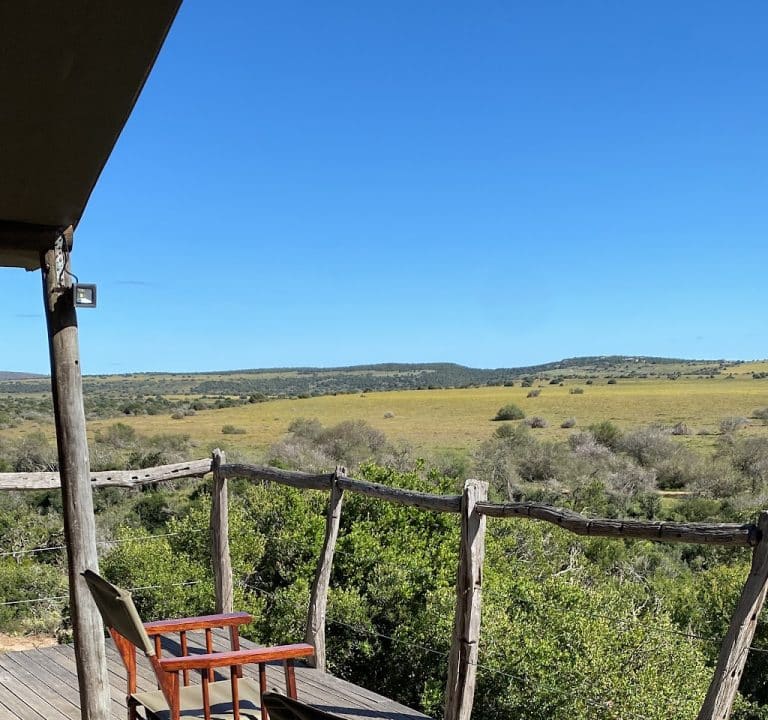
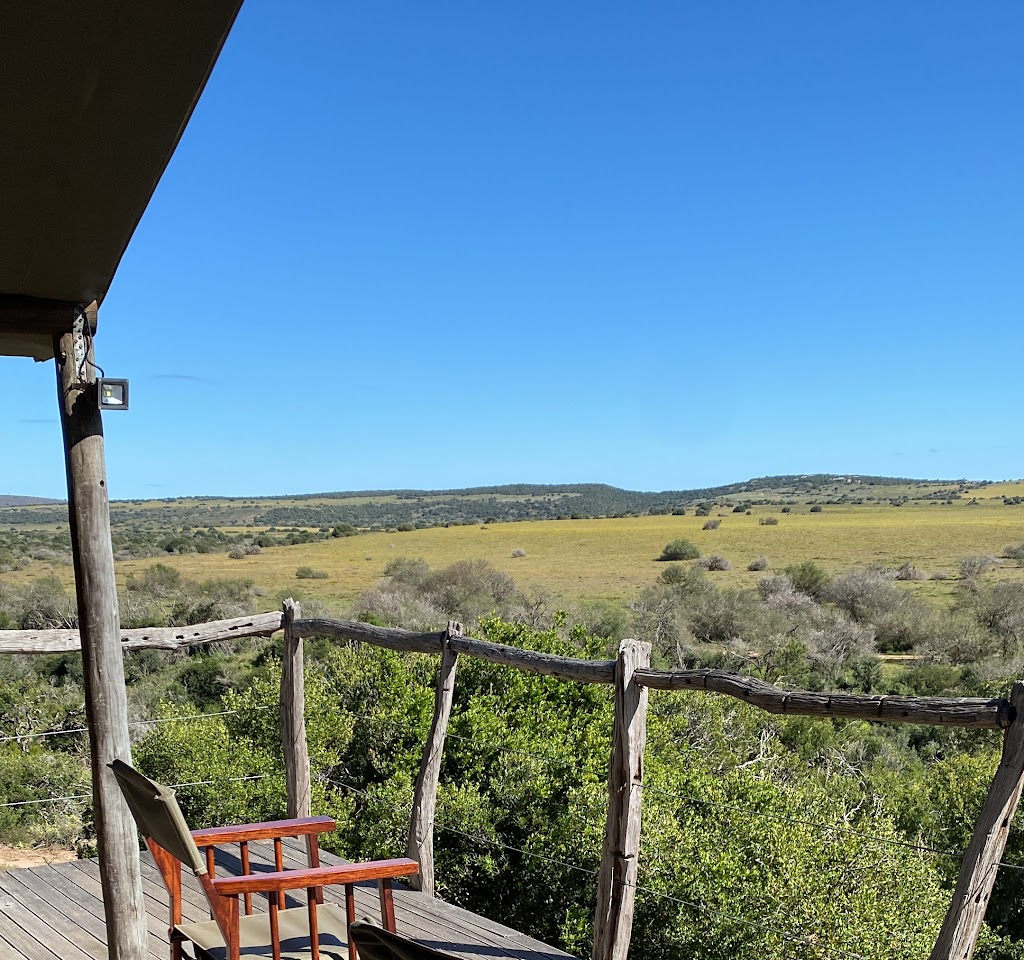
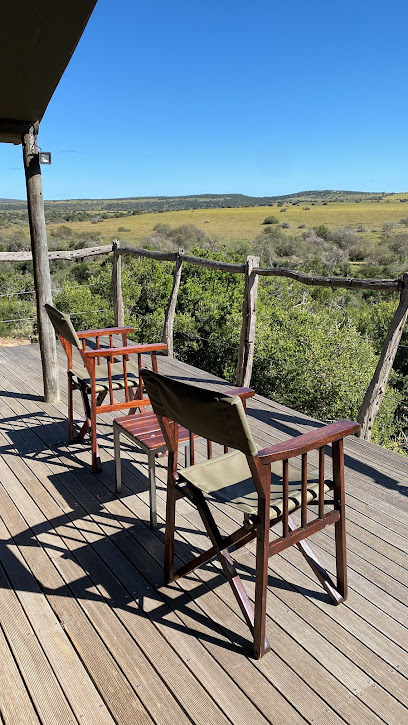
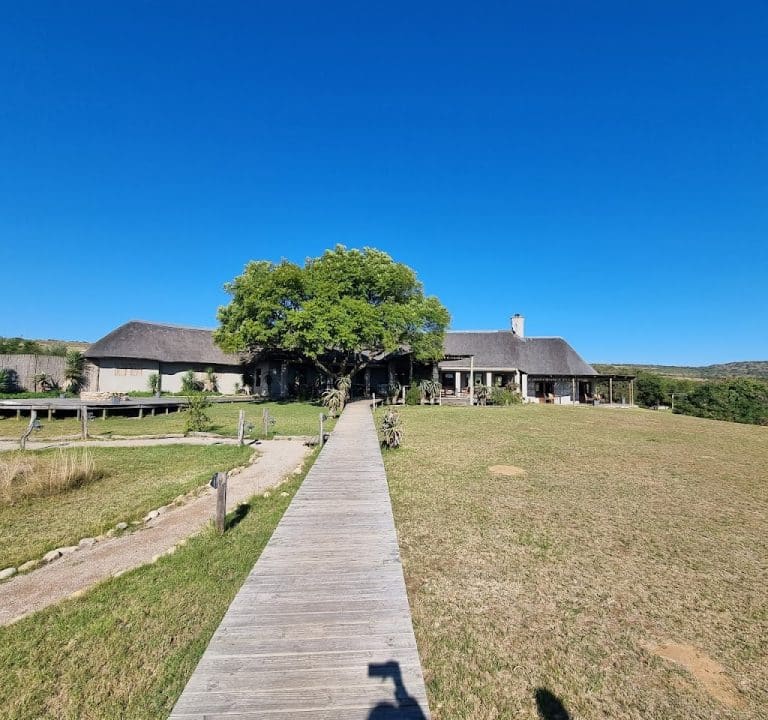
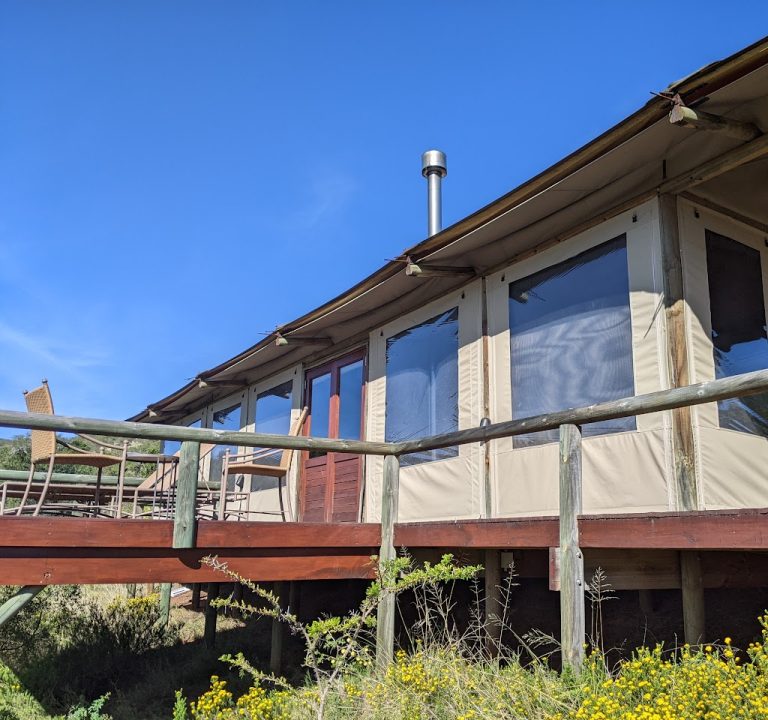
One notable option for visitors seeking a wildlife-rich stay is HillsNek Safari Camp within the Amakhala Game Reserve. This setting offers the chance to observe a range of African wildlife in a managed reserve environment, alongside the comfort and structure of a camp stay. For more information on this particular option, visit the official site at HillsNek Safari Camp – Amakhala Game Reserve. The experience emphasises guided activities, from game drives to intimate encounters with nature, delivered within a framework that respects both animal welfare and guest safety.
Practical planning tips to round out a successful Buyskloof visit:
- Book early for peak wildlife seasons and holidays, and request room priorities or bed configurations in advance.
- Confirm breakfast and dinner arrangements if you prefer not to self-cater, and ask about dietary needs or cultural dining options.
- Ask hosts about the best times and places to view wildlife, as well as any required permits or codes for reserve access.
- Pack layers for variable temperatures, a lightweight rain jacket, sun protection, and sturdy footwear for easy bush walks.
- Check accessibility for your vehicle and plan alternates in case of rough road conditions or weather-related delays.
In essence, Buyskloof offers a calm gateway to South Africa’s Eastern Cape wildlife and landscapes, with accommodation that blends comfort and character. By choosing a stay with clear transport options, useful amenities and access to guided experiences, you can craft a well-paced itinerary that balances restful downtime with the excitement of safari discoveries and regional cuisine. Whether you opt for a dedicated safari camp such as HillsNek or a boutique guesthouse, the aim is to enjoy authentic experiences, create lasting memories and depart with a sense of having truly engaged with the landscape and its people.