Durban: Accommodation, attractions and planning a satisfying stay in KwaZulu-Natal
Durban, a vibrant coastal city in KwaZulu-Natal, offers a mix of sun, sea and culture that appeals to travellers seeking both relaxation and exploration. A well-chosen base can make the most of beaches, markets, heritage sites and the city’s friendly hospitality. Whether you favour a cosy guest house, a stylish boutique hotel or a family-friendly guest lodge, Durban’s varied neighbourhoods provide options that suit different styles and budgets.
When planning a stay, consider areas that balance convenience with character. The central coast stretches near the Golden Mile, where easy access to beaches, promenades and eateries is a plus. Berea and Morningside offer leafy streets, a selection of guest houses and mid-range hotels, often with good access to shops and dining. Umhlanga and La Lucia, to the north, are popular with visitors seeking modern comforts, coastal walks and well-appointed accommodation with parking. Durban North provides quieter residential-feel stays while remaining within easy reach of the city’s attractions. For travellers who enjoy a more historic or artsy vibe, areas near the city centre allow closer proximity to markets, museums and theatre venues.
What to look for when booking largely depends on your plans. If you want easy beach access, prioritise properties within a short walk of the Golden Mile or beachfront promenades. For those arriving by car or planning day trips along the coast, look for on-site parking or secure alternatives nearby. Guest houses and B&Bs in Durban often come with breakfast included, and many offer a small, friendly scale of service that can feel like a warm, local welcome. If accessibility matters, check room layouts, lift access and whether a property serves meals beyond breakfast. Wi‑Fi quality, air-conditioning and private bathrooms are common expectations, particularly in summer, when Durban’s humidity can be high.
Durban’s climate is subtropical, with hot, humid summers and mild, dry winters. The best time to visit typically falls outside the peak rainy period (roughly November to March). Winter months (June to August) tend to be pleasantly warm by day and cooler at night, which can be especially agreeable for exploring outdoor markets, nature reserves and the city’s historic precincts. Shoulder seasons – spring and early autumn – often offer comfortable weather and quieter streets, which can be ideal for travellers seeking a relaxed pace and better value on accommodation.
Typical amenities to expect include free or continental breakfast, en-suite bathrooms, air-conditioning or ceiling fans, and guest lounges or communal kitchens in smaller properties. If you are travelling with family, look for family rooms, extra bedding, and flexible dining options. For longer stays, properties with self-catering facilities, such as a small kitchen or kitchenettes, can be particularly convenient. Many guest houses emphasise a personal touch, with hosts ready to share local tips, restaurant recommendations and guidance on safe, easy travel around the city.
Getting around Durban is straightforward but does vary by area. The MyCiTi bus network covers tourist-friendly routes and major corridors, while Uber and traditional taxis offer convenient door-to-door transport. If you plan to explore beyond the city’s immediate vicinity, a car can be helpful for day trips to nearby nature reserves or coastal towns. If you prefer walking, choose a neighbourhood with a compact, walkable core and nearby dining options. For longer excursions, ask your host for advice on safe routes and reliable private transport options.
Durban’s attractions span beach and bush, culture and cuisine. You can expect a blend of outdoor pursuits, such as long beach walks, coastal scenery and nature trails, alongside engaging experiences in markets, museums and historic sites. In addition to well-known coastal amenities, many visitors enjoy exploring neighbourhoods on foot to discover coffee shops, casual eateries and small art galleries. When planning outings, consider combining a seaside morning with a cultural afternoon to balance relaxation with exploration. For dining, Durban’s culinary scene is notable for its fusion influences and vibrant street food culture, with options ranging from casual seafood shacks to contemporary restaurants. You’ll find restaurants that cater for various dietary preferences and budgets, with many places offering outdoor seating to enjoy the subtropical climate.
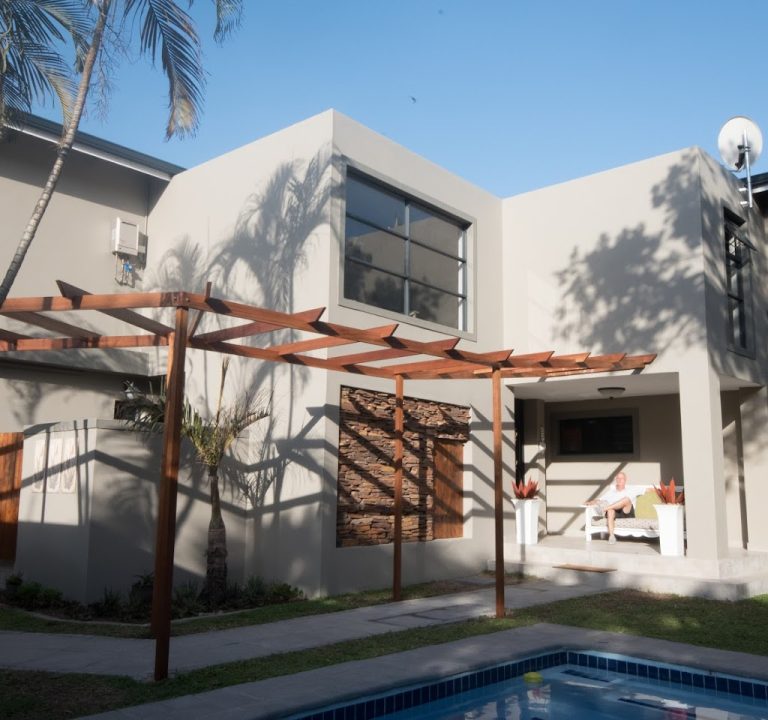
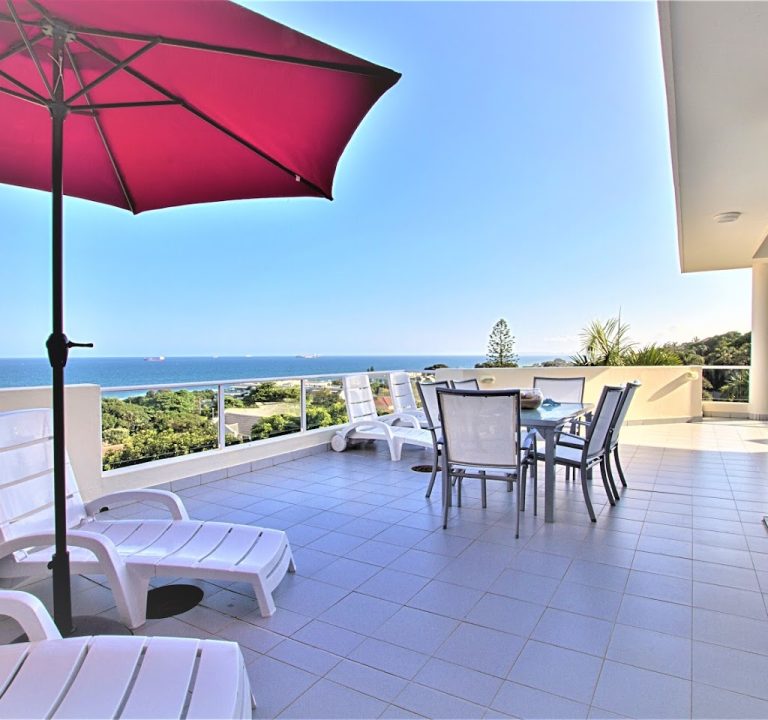
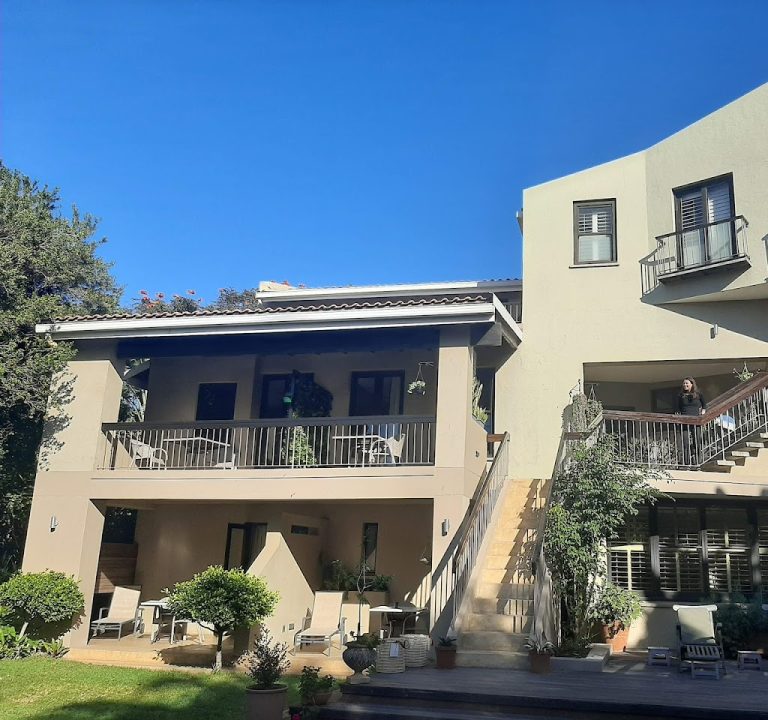
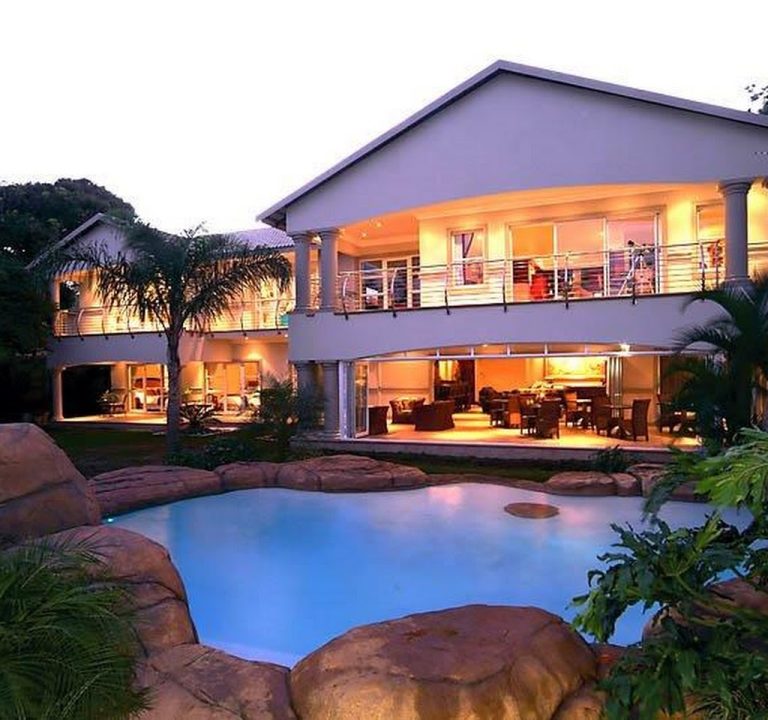
If you are looking for a recommended place to stay that reflects the town’s welcoming character, Hillside Guesthouse presents a classic example of a Durban guest house. This kind of accommodation typically offers a homely atmosphere, personalised service, and easy access to local amenities. You can visit the property’s website for more information and to explore booking options: Hillside Guesthouse.
To help you plan, here is a quick overview of areas and what they’re best for:
- Umhlanga and La Lucia – modern amenities, coastal scenery, reliable transport links, family-friendly stay
- Berea and Morningside – leafy streets, easy access to shops and dining, mid-range to boutique options
- Durban North – quieter residential feel, good value and convenient beach access
- Durban Central and Greyville – historic precincts, cultural attractions, compact hotel options
- Inanda and surrounding inland areas – nature-focused day trips, quieter pursuits
In summary, Durban offers a warm, sun-soaked hub for travellers who enjoy a mix of beach, culture and cuisine. A well-chosen base—whether a personalised guest house like Hillside or another comfortably appointed option—can help you make the most of your stay. Plan with the seasons in mind, choose a convenient area, and prioritise practical comforts that support an easy rhythm of travel, whether you are there for a weekend break or a longer KwaZulu-Natal exploration.