Staying in Pretoria: accommodation, areas to consider, and how to plan a memorable visit
Pretoria, Gauteng, blends grand colonial architecture with modern malls, leafy neighbourhoods and easy access to nature, making it a versatile base for travellers. Whether you seek a boutique stay near embassies and universities, or a comfortable lodge on the edge of a nature reserve, there are plenty of options to suit different budgets and styles. When planning a stay, think about which neighbourhood will best match your daily plans and how you prefer to move around the city.
Accommodation in Pretoria ranges from small guesthouses and lodges to well-appointed hotels and serviced apartments. The City Centre (often referred to as Pretoria Central) places you close to government buildings, historical sites, and convenient transport links. If you favour a residential ambience with easy access to restaurants and parks, consider neighbourhoods such as Brooklyn, Hatfield, and Menlyn. For a more tranquil, leafy setting with upscale amenities, Waterkloof and Lynnwood offer prestigious addresses, generous gardens and often easy access to embassies and corporate offices. Pretoria also has several contemporary precincts where modern hotels and guesthouses cluster near shopping centres and business hubs. If you are travelling with family or seeking self-catering options, some lodges and guesthouses provide self-contained units or kitchens, which can help you manage meals and budget more comfortably.
When booking, look for a few essential features to ensure a smooth stay. Start with safety and access: secure parking or 24-hour reception, reliable lighting in the street and safe neighbourhood reputation. Your next priority is comfort and convenience: comfortable beds, en-suite bathrooms, air conditioning or heating, reliable Wi‑Fi, in-room workspace if needed, and quiet rooms for restful nights. Consider breakfast options if you prefer a lighter plan for mornings, or ask about on-site dining if you want to sample local flavours without venturing far. If you’re planning day trips, verify parking availability or easy access to public transport, and check whether the property offers flexible cancellation policies in case your plans change. For families or longer stays, ask about family rooms or self-catering facilities, plus laundry services or access to a washing machine-dryer area.
Public transport and getting around Pretoria are practical considerations for visitors. The city has a national rail connection via Metrorail and an urban rail link known as the Gautrain in nearby Johannesburg, with connections to Pretoria. Within the city, ridesharing, taxis and local bus networks offer convenient options, though peak-hour traffic can be a factor. If you plan day trips to nearby nature reserves or historic sites, a property with parking or easy access to major routes is especially helpful. For those who prefer a car-free approach, staying near vibrant precincts with a mix of cafés, shops and restaurants can reduce the need for long transfers between meals and sightseeing.
Best time to visit Pretoria typically aligns with mild weather. Spring (September to November) brings colourful jacaranda blooms and comfortable temperatures, while autumn (February to April) offers cooler days and pleasant scenery. Summer can be warm with showers, so packing light clothing alongside a compact rain cover is prudent. Winter is generally mild but mornings can be chilly, so a light jumper or jacket is wise for outdoor activities. If your interest lies in outdoor outings such as nature reserves or botanical gardens, aim for the shoulder seasons to enjoy slower crowds and more comfortable walking conditions.
Attractions and experiences tend to complement a relaxed itinerary. In the city, visitors often explore grand public buildings and museums, as well as open spaces and gardens. The surrounding area offers opportunities to view wildlife in protected reserves and to stroll through botanical displays. For evenings, Pretoria’s dining scene ranges from modern bistro-style venues to traditional South African fare, with districts like Hatfield, Brooklyn and Menlyn providing a range of eateries from casual to more refined options. When planning meals, you can look for places emphasising seasonal ingredients and local flavours, and consider trying a neighbourhood dining strip where several venues cluster for easy, walkable evenings.
Practical tips to make the most of your stay:
- Book early for high-demand periods and check cancellation terms in advance.
- Ask about parking arrangements and secure access to the property if you arrive late.
- Request a quiet room if you are sensitive to street noise, particularly in central neighbourhoods.
- Consider a stay with breakfast or a kitchen facility to manage daily plans and budgets.
- Plan transport in advance for important appointments or day trips, recognising peak traffic times.
- Share your itinerary with the host or guesthouse staff so they can offer tailored tips or local recommendations.
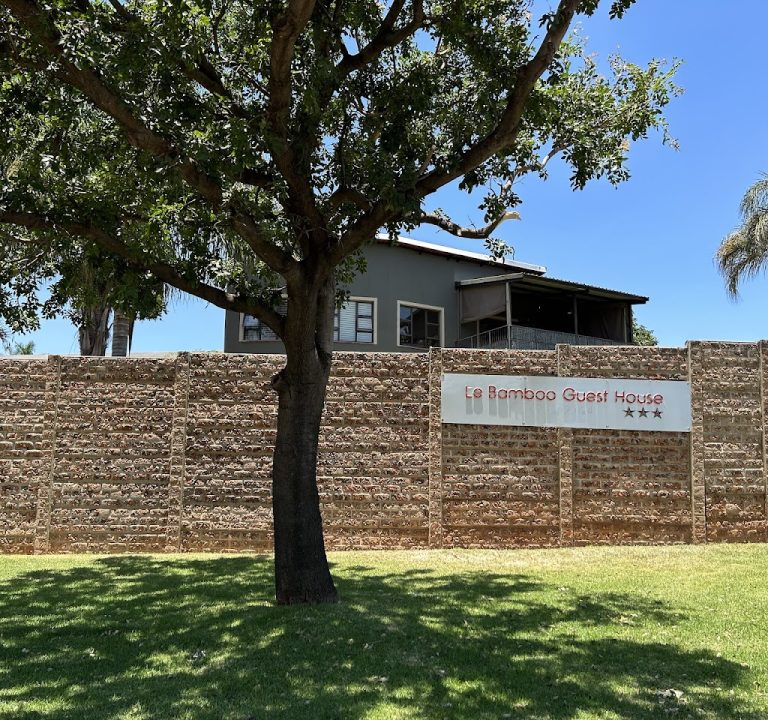
One example of accommodation that travellers sometimes choose is a well-positioned guesthouse or lodge with a focus on hospitality and community atmosphere. While the specific property will define its unique character and amenities, such lodgings often provide a personal touch, with hosts available to suggest local experiences, from markets and cafés to nature walks and scenic viewpoints. A stay in a carefully chosen lodging can be a comfortable, convenient base for exploring Pretoria’s blend of culture, green spaces and modern urban life. For more information, you can visit official tourism pages or the property’s own website, where you will typically find details on room types, facilities and guest services.