Stay and explore Vanderbijlpark: accommodation, attractions and practical tips
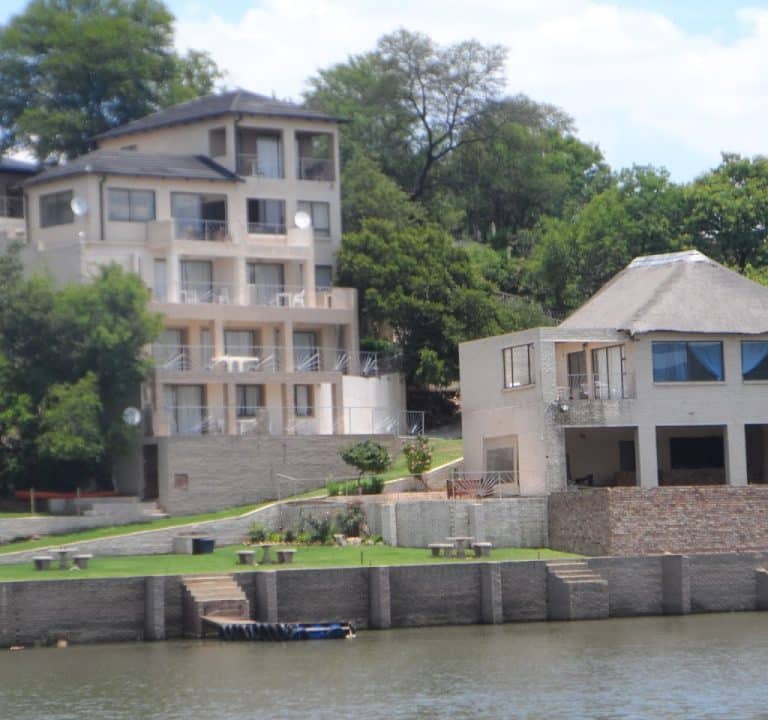
Vanderbijlpark, located in the Gauteng province’s Vaal Triangle, offers a practical base for visitors seeking a relaxed, riverine atmosphere with convenient access to the wider Gauteng region. The town sits beside the Vaal River, a focal point for outdoor enthusiasts, water-based activities and scenic walks. A stay here can blend self-catering convenience with easy day trips to nearby towns and nature reserves, making it ideal for families, groups and travellers who value balance between comfort and adventure.
When planning a stay, start by choosing an area that matches your rhythm. The riverside and harbour-adjacent zones tend to be lively and close to activities, shops and eateries, while central parts of Vanderbijlpark can offer straightforward access to services and transport links. If you prefer a quieter stay, look for self-catering or guesthouse options set back from main routes or near green belts. Consider the length of your visit, the types of amenities you prioritise, and how you will move around the town and surrounding countryside.
Accommodation in Vanderbijlpark ranges from self-catering retreats to guesthouses and boutique stays. Practical features to look for include secure parking, reliable Wi‑Fi, well-equipped kitchens or kitchenettes, air conditioning or heating, and comfortable living spaces. In many self-catering properties, you’ll find thoughtfully appointed kitchens, outdoor spaces for al fresco dining, and convenient laundry facilities—handy for longer stays or family groups. If you plan to entertain or cook for others, verify the kitchen configuration, appliance quality, and storage options before you book.
Transport considerations are worth weighing. Vanderbijlpark is served by road networks that connect to the broader Vaal Triangle and beyond, so having access to a car is a considerable advantage. Public transport is available in pockets, but services can be irregular outside peak times. If you’re arriving by bus or intercity transfer, check proximity to the main routes and whether your accommodation offers a shuttle service or easy access to rideshare options. For day trips, a car provides the most flexibility to explore the Vaal Dam viewpoint, nearby reserves and towns along the river.
Best time to visit Vanderbijlpark tends to align with regional climate patterns. The area experiences warm summers and mild winters, making spring and autumn pleasant for outdoor activities and riverfront strolls. Summer may bring higher temperatures and the possibility of afternoon showers, which is worth planning around if you want to spend long mornings on the water or exploring outside peak heat. If your trip includes water activities, cooler mornings can be excellent for boating or fishing. Always check local event calendars for markets, food stalls and seasonal activities that may enrich your stay.
On arrival, you’ll find a range of visitor-friendly amenities that support a comfortable stay. Many accommodation options provide secure parking, daily cleaning services or mid-stay housekeeping, and in several self-catering properties you’ll discover generous living spaces with separate bedrooms, allowing guests to maintain privacy while sharing common areas. Look for properties that supply basic essentials—towels, bed linen, kitchenware and cleaning products—as these reduce the need to purchase or transport bulky items for shorter trips. If you’re travelling with children or elderly travellers, confirm accessibility features, stair configurations, and safety arrangements in advance.
Food and dining play a central role in any stay. Vanderbijlpark offers a mix of casual eateries, coffee shops and family-friendly dining areas, with most venues serving a blend of South African favourites and international flavours. If you’re based in self-catering accommodation, you’ll likely find supermarkets and local markets a short drive away, enabling you to prepare simple, nourishing meals and snacks between activities. For an easy night out, ask your host or reception for nearby dining options and reservations, especially on weekends when popular spots can fill quickly.
Attractions and experiences in the area lean on nature, leisure and local culture. Water-based pursuits along the river are common, and there are scenic walks, parks and viewpoints that reward careful planning with rewarding vistas. Day trips to nearby towns offer additional cultural and scenic experiences, including reserves, historical sites and markets. If you enjoy hands-on experiences, look for guided tours or organised activities that suit your interests, whether it’s outdoor recreation, photography, or local crafts. Always verify current opening times and accessibility when planning visits, as schedules can change seasonally.
- Check in advance what “self-catering” means for your stay—some properties offer partial catering or welcome groceries as a perk.
- Ask about laundry facilities, iron and ironing board, and space for packing and unpacking during longer visits.
- Confirm parking arrangements and security features, particularly if you plan to rent a car and explore at your own pace.
- Request clear directions from the accommodation to main roads, the riverfront, and public transport hubs.
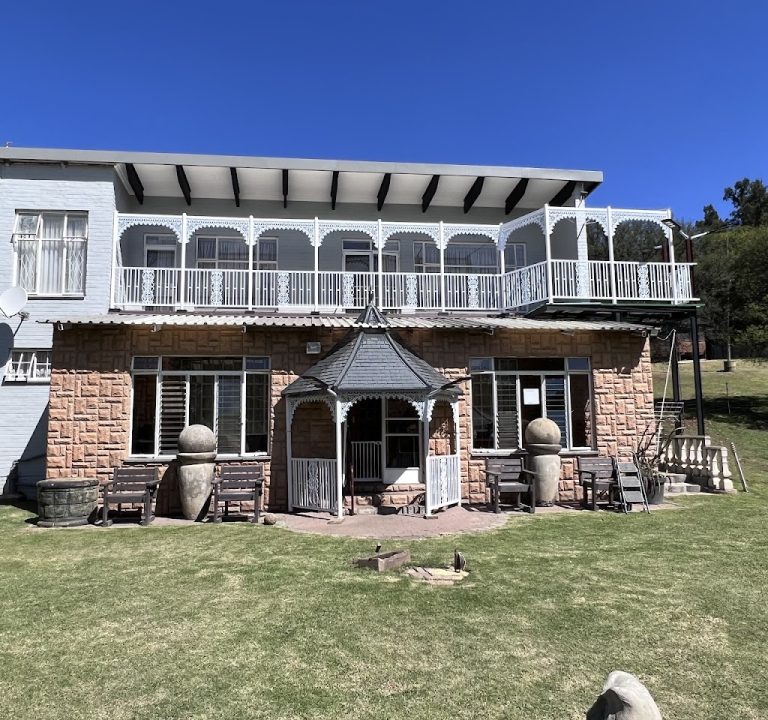
Notable among accommodation options is Heaven on Vaal, a self-catering retreat designed for guests who appreciate independence and comfortable living spaces. Its website offers details about the property, location and available facilities, providing a useful resource for planning your stay: Heaven on Vaal.
With thoughtful planning, Vanderbijlpark can be a convenient yet rewarding gateway to the Vaal region. By choosing a well-suited base, vetting amenities that matter most to you, and coordinating transport thoughtfully, you can balance restful downtime with engaging local experiences. Whether you’re here for a weekend break, a family holiday or a longer retreat, the combination of river views, practical accommodation and accessible day trips makes Vanderbijlpark a solid choice in Gauteng’s diverse tourism landscape.