Plettenberg Bay: Where to stay, what to do, and how to plan a rewarding visit
Plettenberg Bay, on the scenic Garden Route in the Western Cape, offers a blend of pristine beaches, world‑class scenery and a welcoming, laid‑back atmosphere. When planning a stay, it’s helpful to consider the different areas on offer, from family‑friendly beaches to tranquil valleys and convenient town‑centre bases. Each neighbourhood has its own character, so you can tailor your accommodation to your preferred pace and activities, whether that means easy beach access, access to hiking trails, or proximity to cafés and shops.
At the core of a good stay is finding a base that matches your travel style. Self‑catering options such as guesthouses, lodges and farmhouses give you flexibility, daily housekeeping, and the comfort of a kitchen. Boutique guesthouses often provide personalised service and a sense of place, while larger lodges or hotels can offer on‑site dining, swimming pools, and spa facilities. When you search, note the type of accommodation, the size of the unit, and whether there are family‑friendly features, parking, and air conditioning. If you’re travelling with children, it’s worth checking for safe outdoor space and nearby beaches with lifeguards or gentle swims. If you’re after a romantic break, look for secluded patios, private balconies, or ocean views—many Plettenberg Bay properties excel in these details.
Key areas to consider include:
- Beachfront zones where you can roll out of bed onto the sand, listen to the surf, and enjoy easy morning walks along the shore.
- Town and central Plettenberg Bay, convenient for restaurants, markets and day trips, with easier access to local transport and amenities.
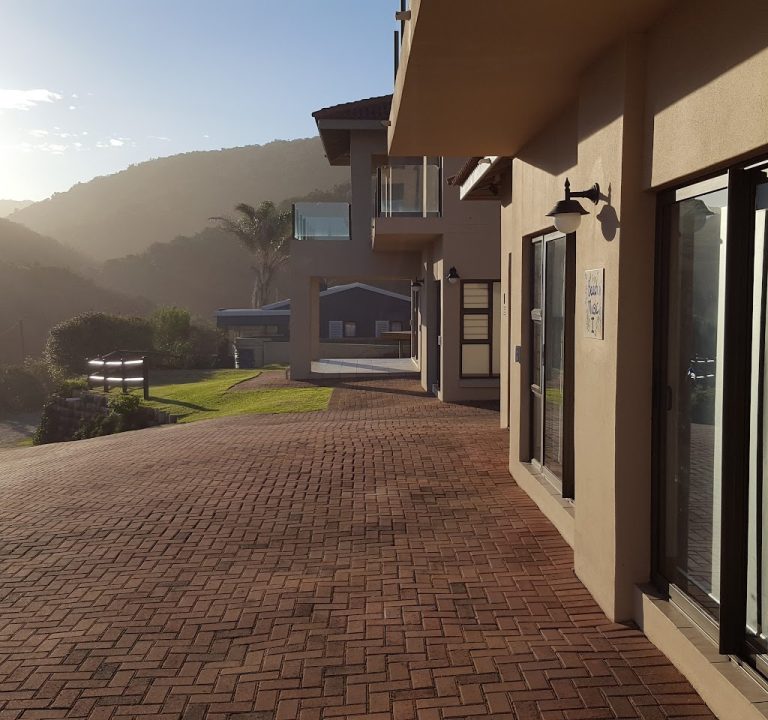
- Valley and hillside settings offering expansive views, tranquillity and a more intimate, countryside feel.
- Wine‑ and wildlife‑oriented routes nearby, ideal for day excursions if you want a quieter, experiential stay.
Typical amenities that help a stay tick along include reliable Wi‑Fi, well‑equipped kitchens, comfortable living spaces, secure parking, and clear access to beaches or trailheads. Many properties in Plettenberg Bay provide shaded outdoor seating, braai facilities (barbecues), and pool options, which are especially welcome in the warmer months. If you rely on transport, check whether the property offers transport arrangements or easy access to public transport routes. A car is often the simplest way to explore the wider Garden Route, but some central bases are well within walking distance of beaches, cafés and grocery stores.
The best time to visit Plettenberg Bay depends on your priorities. The coast enjoys a mild Mediterranean climate with warm, dry summers and cooler, wetter winters. Peak sunshine is most reliable in the summer (roughly November to February), ideal for beach days and water-based activities. Spring and autumn bring pleasant temperatures for hiking along coastal paths and exploring the forests without the high heat of midsummer. If you’re a whale watcher, the shorelines in winter can be particularly rewarding along the Garden Route. Always check weather forecasts and tide timings when planning outdoor days, and consider flexibility in your itinerary to adapt to changing conditions.
Dietary considerations and restaurant culture are an important part of Plettenberg Bay experiences. The town has a variety of eateries offering seafood, contemporary South African cuisine, and international options. Rather than focusing on specific names or prices, plan to explore a mix of casual cafés for breakfasts and lunches, and a few well‑regarded restaurants for dinners. It’s common for guesthouses and lodges to arrange recommendations or even guided dining experiences, which can enhance your stay with local flavour and seasonal produce. For a relaxed evening, you can expect bright, breezy venues at the coast and cosy, intimate spaces further inland.
Practical planning tips to make the most of your visit:
- Book early for peak seasons, particularly if you prefer beachfront locations or properties with sea views.
- Ask about children's facilities, parking availability, and accessibility if you have specific needs.
- Check cancellation policies and whether the property offers flexible dates, especially if your plans may change.
- Consider a mix of full‑board and self‑catering options to balance convenience with the freedom to explore local eateries.
- Plan day trips to nearby reserves, viewpoints, and coastal towns, using Plettenberg Bay as a comfortable base rather than a single‑purpose stopover.
- Utilise local tourism resources for seasonal events, markets and guided experiences that showcase the region’s natural beauty and cultural heritage.
For a broader sense of what Plettenberg Bay has to offer, many travellers use a stay here as a waypoint on the Garden Route. The area’s natural beauty—beaches, forests, and coastal cliffs—pairs well with mild schedules, whether you prefer self‑guided exploration or organised tours. If you’d like to start planning, you can explore official tourism resources for suggested itineraries, maps, and reputable accommodation options. While you browse, consider how a property’s location, amenities and service level will best support your travel style, and use this to frame a stay that feels both restorative and adventure‑ready. For further inspiration and ideas, see Plettenberg Bay and Garden Route resources online, which provide guidance on sights, experiences and practical travel planning.