Accommodation and Experiences in Knysna, Western Cape
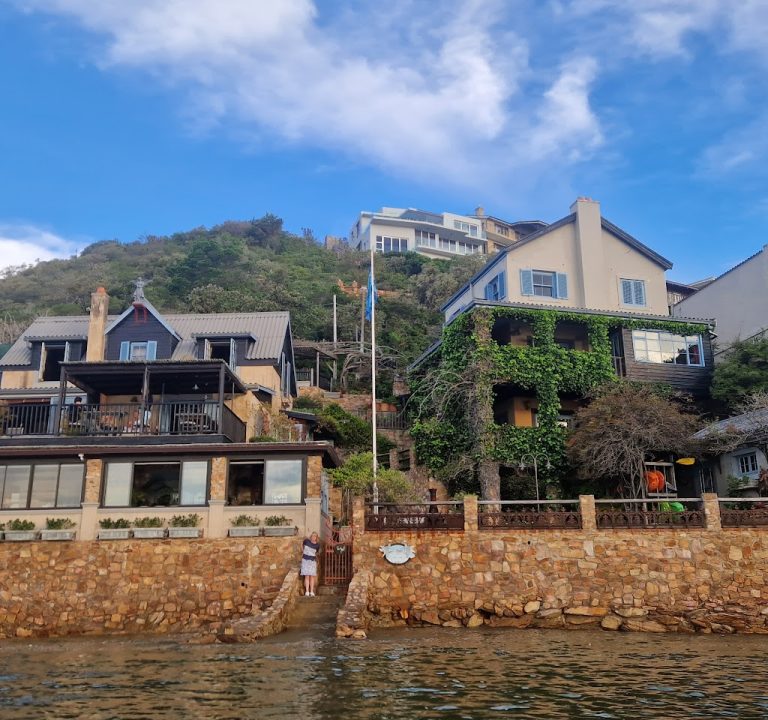
Knysna, perched along the Garden Route, offers a welcoming mix of laid‑back coastal charm and forested hinterland adventures. When planning a stay, consider the different neighbourhoods and what they offer: the town centre provides easy access to the harbour, shops and eateries; Thesen Island offers water‑side calm and modern guesthouses; and the wooded outskirts near Rheenendal bring you into forest trails and tranquil scenery. Whether you are seeking a boutique guest house, a self‑catering retreat, or a cosy inn, Knysna’s options tend to emphasise comfort, warm hospitality and proximity to natural attractions.
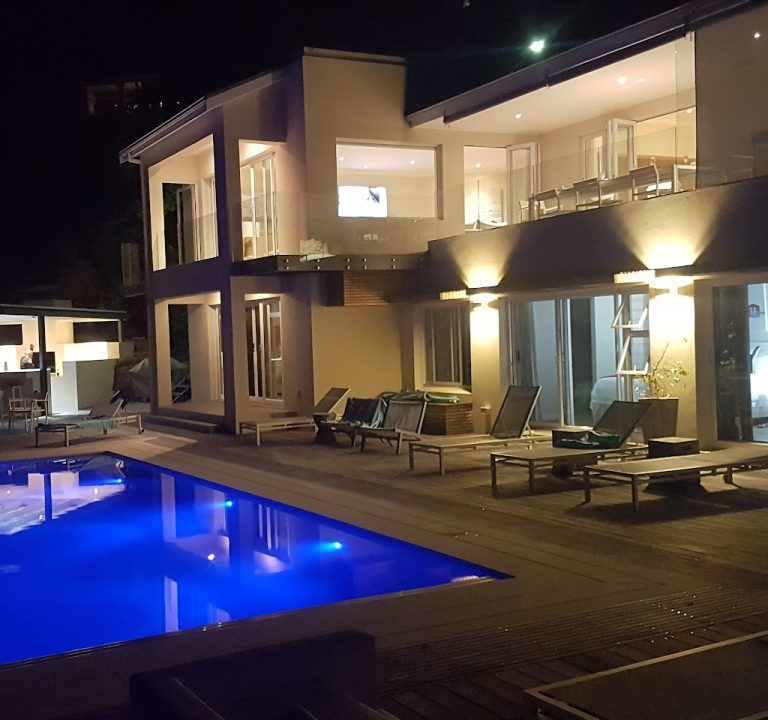
One example of local hospitality is Headshouse Self Catering Accommodation Knysna, a guest house that aims to balance practical self‑catering convenience with a homely atmosphere. Properties such as this typically feature well‑equipped kitchens or kitchenettes, private seating areas, and parking on site, making them well suited to families, groups or travellers who value flexibility and independence during their stay.
Booking considerations are straightforward but worth a moment’s thought. Look for properties that clearly state bed configurations, the presence of en‑suite bathrooms, and whether towels, linens and basic kitchen essentials are supplied. If you plan on cooking, a well‑equipped kitchen or kitchenette can save time and money. For waterfront or forest views, confirm room layouts and balcony access. For families or groups, note whether there are adjoining rooms or larger suites. Accessibility features and parking arrangements are helpful details to confirm in advance, particularly if you are travelling with children or a vehicle.
Typical amenities you may encounter include free Wi‑Fi, secure parking, daily housekeeping or mid‑week housekeeping, and access to outdoor spaces such as terraces, courtyards or gardens. Many Knysna properties also offer shared guest lounges, outdoor braai/bbq areas, and pool facilities. If you are visiting in peak season, some establishments offer early check‑in or late check‑out options, and a guest information pack can help you plan day trips and dining in the area.
Transport in Knysna is convenient for most visitors, though the best approach depends on your itinerary. A car is the easiest way to explore the surrounds, with popular drives taking you along the coast to nearby beaches and viewpoints, or inland to forest trails and knysna’s historic sites. Public transport is more limited, so many travellers opt to arrange airport transfers or private transfers, and local taxis can be useful for short trips into town. If you prefer a car‑free stay, choose a property within walking distance of the town centre, waterfront or leisure precincts, from which you can join organised tours or hire services for day trips when needed.
The best time to visit Knysna largely mirrors South Africa’s temperate coastal climate. Spring (September to November) and autumn (March to May) bring gentle weather and fewer crowds, ideal for outdoor activities, hiking and boat trips. Summer (December to February) offers warmth suitable for beaches and lagoon activities, while winter (June to August) can be cooler, with the forest trails offering a mellow and atmospheric experience. Coastal conditions can change quickly, so packing layers, a light rain jacket, and sun protection is sensible year‑round.
Key attractions and experiences in the Knysna area are varied and largely nature‑led. The coastline around the Heads offers dramatic scenery and photo‑friendly viewpoints, while the harbour and waterfront precinct provide a relaxed atmosphere with cafés and shops. Inland, forested routes around the Knysna and gourd‑shaped areas invite tranquil walks, redolent with fynbos fragrance and the leafy shade of large trees. Boat trips and lagoon excursions are popular for visitors seeking a slower pace with wildlife sightings and coastal vistas. Nature reserves, climbs to viewpoints, and guided forest walks give a sense of the region’s biodiversity without requiring strenuous effort.
Dining in Knysna is characterful and varied, with options ranging from casual cafés by the water to more intimate dining rooms in guesthouses and hotels. Many establishments emphasise seasonal ingredients and fresh seafood, alongside comforting local dishes. When planning meals, you can expect straightforward, well‑prepared fare, with menus that reflect the coastal setting and rustic South African flavours. If you prefer a self‑catering stay, you’ll find well‑stocked shops and farmer’s markets nearby to pick up produce for relaxed evenings in your accommodation’s kitchen or outdoor dining area.
Practical planning tips to help you make the most of a Knysna stay:
- Choose a base that aligns with your aims—town centre for accessibility and dining, or Thesen Island and the waterfront for a calm, scenic setting.
- Check the bed arrangement and whether the property offers flexible seating/space for groups or families.
- Confirm parking arrangements and access to outdoor spaces if you anticipate outdoor living and meals al fresco.
- Consider the season and pack layers, a sunhat, and a light waterproof layer for occasional rain showers.
- Plan a mix of light forest walks, lagoon activities, and a few coastal viewpoints to balance activity and rest.
- Look for properties with flexible check‑in times and clear information about local transport or organised tours.
- Respect the natural environment—stay on marked trails and follow local guidelines to protect fragile flora and fauna.
With its compact centre, welcoming guest houses, and an abundance of natural beauty, Knysna can offer a stay that feels intimate yet richly connected to the landscape. Whether you are drawn by the serenity of a self‑catering retreat, the charm of a guest house, or the ease of a well located hotel, planning around the areas, amenities, and transport options will help ensure you make the most of your visit to this memorable corner of the Western Cape.