Staying in Heidelberg, Gauteng: accommodation options, attractions and practical planning tips
Heidelberg in Gauteng offers a calm, countryside feel within reach of Johannesburg and the wider Vaal Triangle. When planning a stay, think about where you’ll be spending most of your time and how you’ll get around. The town provides a mix of guesthouses, BnBs, small hotels and self-catering stays that pair comfort with affordability, making it a practical base for travellers who want to explore the surrounding countryside, local markets and day trips to nearby towns.
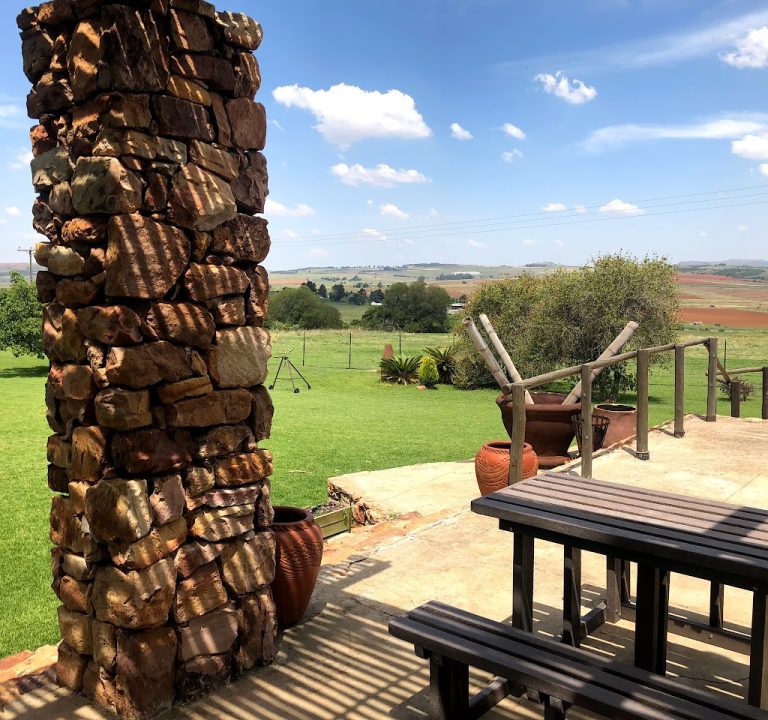
Areas to consider when booking include the town centre for easy access to shops and casual dining, and the outskirts for a quieter, more reflective stay with pleasant views. If you’re travelling by car, look for accommodation with secure parking or an easy exit route for morning trips. For those who prefer walking or cycling, a stay closer to the central streets can cut down on transit time and let you soak up the local atmosphere on foot.
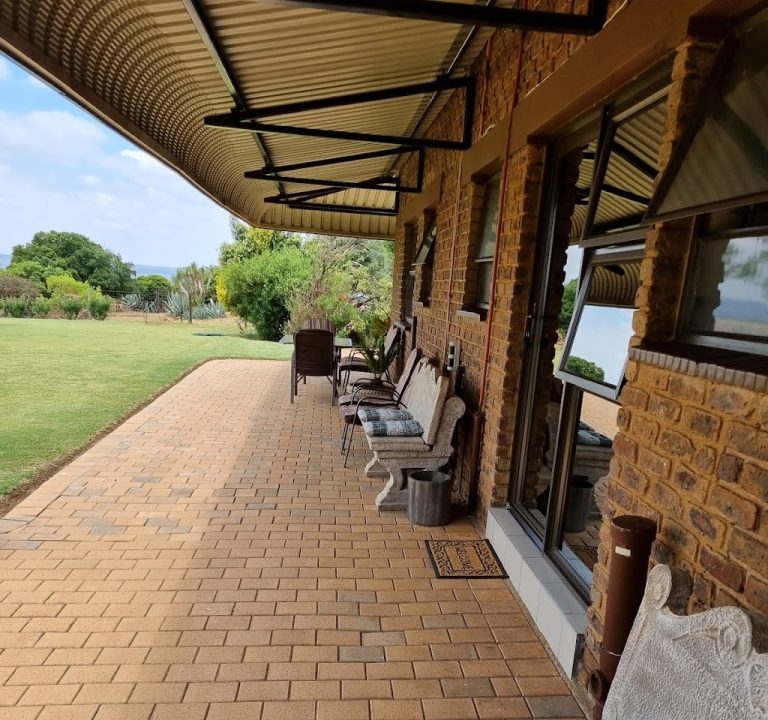
Typical amenities to expect in Heidelberg’s accommodation scene include comfortable beds with fresh linens, en-suite bathrooms or well-appointed shared facilities, and reliable Wi‑Fi. Many properties offer self-catering facilities or continental breakfast options, which can be convenient for early departures to markets or nature trails. Some guesthouses and BnBs provide lounge areas, patios or verandas where you can unwind after a day out. If you’re travelling with family, look for family rooms or interconnecting options, and for longer stays, consider accommodations with kitchenettes or private entrances for more flexibility.
Transport in the area is practical but can vary. A car rental or private transfer is the most convenient way to reach far-flung attractions and dining spots, as public transport within the town and to surrounding areas is limited compared with larger cities. If you’ll be exploring multiple towns in the region, a reliable vehicle will save time and reduce dependency on schedules. For shorter day trips, check the distance and estimated travel times from your chosen base, especially during peak traffic hours.
The best time to visit Heidelberg depends on your preferences. Summer (roughly November to February) brings warmer days and longer daylight, ideal for outdoor markets, farm stands and countryside strolls. Autumn and spring offer cooler temperatures and lush scenery, which can be pleasant for outdoor dining and long walks. Winter (June to August) is milder than many climates, but it can be chilly at night; pack layers and a warm layer for evenings. If you’re planning outdoor activities, consider seasonal weather patterns and any local agricultural calendars, which may influence market openings and farm experiences.
When planning a stay, practical tips can help you maximise your visit. Book ahead in peak periods such as school holidays and long weekends, as smaller stays can fill quickly. Verify what’s included in your rate—breakfast, parking, and housekeeping schedules can vary between properties. If you’re aiming for a relaxed pace, consider a stay with a central base from which to launch day trips; otherwise, look for a property that matches your pace, whether you prefer the bustle of town or a tranquil rural setting.
As for dining and experiences, Heidelberg and the surrounding towns offer a range of casual eateries and local flavour. You’ll likely find places that showcase local ingredients, with menus that lean towards comforting, family-friendly dishes and modern twists. When planning where to eat, consider venues that are easy to reach on foot or by short drives from your accommodation. Many visitors enjoy combining a farm-to-table or countryside dining atmosphere with a stroll through local markets or quiet streets, giving a flavour of everyday life in the region.
For sightseeing and activities, you’ll typically have access to a mix of nature-focused outings and cultural experiences. Scenic walks or drives through nearby countryside provide a sense of space and fresh air, while local markets, crafts and small museums can offer insights into regional heritage. If you’re interested in more structured experiences, you may find day trips or guided tours that cover rural scenery, historic sites and nearby towns, with operators that prioritise comfort, safety and small-group settings.
Practical planning checklist (quick reference):
- Choose accommodation by proximity to your preferred activities, checking parking and access arrangements.
- Confirm essential amenities (Wi‑Fi, self-catering facilities, laundry, breakfast options).
- Assess transport options, including car hire, transfers, and local taxi services.
- Check seasonal weather and pack accordingly (layers for cooler evenings, sun protection for daytime).
- Look for flexible cancellation policies and clear contact details for the host or property manager.
For a balanced itinerary, plan a couple of restful days at your base to enjoy the property and nearby countryside, interspersed with short visits to local eateries, markets and nature walks. Heidelberg’s charm often lies in its relaxed pace, making it well suited to travellers who want to unwind while still discovering the warmth of South African hospitality. If you’re seeking a place to stay that feels like a home away from home, with easy access to rural scenery and a taste of local life, Heidelberg in Gauteng offers a solid option within reach of major urban centres.