Johannesburg: A Practical Guide to Accommodation, Areas, and Local Experiences
Johannesburg, a dynamic gateway to South Africa’s hinterland, offers a wide range of accommodation to suit every traveller’s style and budget. From serviced apartments in central hubs to boutique guesthouses tucked into leafy neighbourhoods, the city provides convenient bases for exploring the surrounding Gauteng province. When planning a stay, it helps to choose an area that matches your itinerary, transport needs, and preferred pace of travel.
Areas to consider include central districts where you can step out to cafés, markets, and a growing array of contemporary R-and-R spaces, as well as suburban pockets that combine quiet streets with easy access to business centres and cultural sites. The northern suburbs, such as Sandton and Rosebank, are known for modern hotels, high-end serviced apartments, shopping and dining, and accessibility to major highways and the Gautrain. The inner-city corridors around Braamfontein and Maboneng are popular for travellers seeking a more energetic atmosphere, with convenient rail and bus connections, galleries, and street-level eateries. For a touch of history and leafy calm, areas closer to the university precincts, parks, and historic landmarks provide a different flavour of Johannesburg life.
When booking, look for a few practical features that can shape your comfort and convenience. A well-equipped kitchen or kitchenette is valuable for longer stays, while reliable Wi-Fi, heating or air conditioning, and good soundproofing matter in South Africa’s climate and urban setting. If you’ll be commuting, proximity to public transport hubs or a well organised shuttle service can save time. On-site facilities such as secure parking, 24‑hour reception, and a well staffed front desk can reduce stress, particularly if you are arriving after dark. For many travellers, a welcoming common area, a quiet workspace, and easy access to local tips from staff or hosts add substantial value to the stay.
Typical amenities to look for in accommodation include:»
- Kitchen facilities or a self-catering option
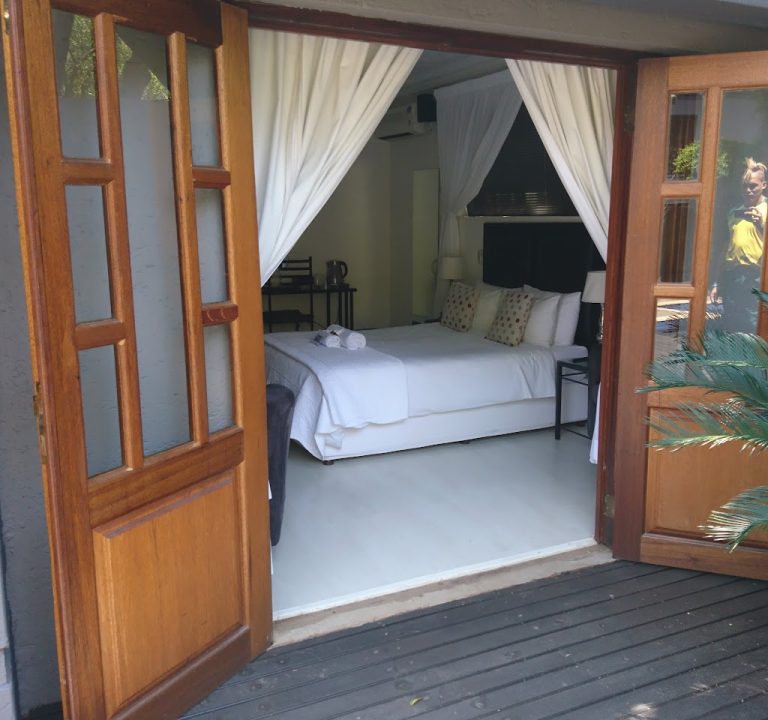
- Clean, comfortable bedrooms with adequate storage
- Private or shared bathrooms that are well maintained
- On-site laundry or laundry services
- Secure entry and parking options
- Reliable Wi‑Fi and in-room work spaces
- Access to a fitness area or nearby outdoor spaces
Practical planning tips can make a big difference in Johannesburg. Transport options are abundant but vary by area. The Gautrain offers fast rail connections between Johannesburg and Pretoria, with extensions to network hubs in and around the city. In the city centre and near major commercial zones, rideshare apps are widely used, while car hire can be convenient for day trips to the countryside or nearby towns. If you plan to self-drive, allow extra time for traffic, particularly during peak hours and in adverse weather. A card or app with public transport details and offline maps can be handy for navigating busy routes and discovering offbeat stops such as markets, galleries, and historic districts.
Best time to visit Johannesburg is during the drier winter months (roughly May to September) when days are typically sunny and pleasant, and evenings can be cooler. This period also tends to be drier overall, which can be preferable for outdoor activities and day trips. If you’re interested in outdoor scenery, consider adding a side-trip to natural parks and nature reserves in the surrounding Gauteng area. For those who enjoy culture and city life, plan to spend time in museums, galleries, and historic sites, and allow a couple of meals at varied neighbourhoods to sample different culinary influences. The city’s food scene ranges from casual street-style eateries to sophisticated dining, so you can tailor meals to your itinerary and mood without breaking the budget.
Booking considerations extend beyond price. Read recent guest reviews to gauge cleanliness, security, and location accuracy. Check cancellation policies, especially during peak seasons or events when accommodation can be in high demand. If you are travelling with a group or family, confirm whether the property accommodates extra beds or pull-out options and whether it offers flexible room configurations. Accessibility is another aspect worth considering for guests with mobility needs, including entrances, lifts, and bathroom facilities that meet requirements.
Alongside your stay, Johannesburg presents a wide spectrum of experiences. Urban exploration can include district walking trails, street art tours, local markets, and historical sites that illuminate the city’s complex past and vibrant present. Culinary options span casual cafés and bakeries to modern eateries offering global and local flavours. For nature and scenery, nearby nature reserves and city parks provide refreshing escapes from the urban pace. For visitors seeking low-stress days, simply choosing a well-located base can make day trips and spontaneous discoveries easier to organise.
In selecting serviced accommodation or guesthouses, consider how the property aligns with your travel style and pace. A thoughtfully chosen base in Johannesburg can be the key to a balanced stay—convenient for commuting, rich in local character, and well matched to the activities you have planned. Whether you prefer the buzz of a city centre hub or the quieter rhythm of a residential neighbourhood, Johannesburg offers adaptable options that support comfortable stays and memorable experiences.