Exploring Cape Town: Where to stay and what to do in and around the Mother City
Cape Town, with its harbour, beaches, mountains and historic neighbourhoods, offers a wealth of options for travellers seeking comfort, character and convenient access to the city’s highlights. When planning a stay, consider choosing a neighbourhood that aligns with your itinerary, pace and preferred ambience. From the leafy streets of the Atlantic Seaboard to the compact energy of the city bowl and the bohemian charm of the De Waterkant area, there are lodging choices to suit most tastes and budgets.
Accommodation in Cape Town ranges from intimate guest houses to stylish boutique hotels and self‑catering options. For those seeking a refined yet relaxed experience, a boutique guest house can provide personalised service, curated breakfasts and a homely atmosphere. Harpers House, a historic guest house located in Green Point, exemplifies how a well‑appointed property can blend period charm with contemporary comforts and easy access to the city’s core attractions. Websites for such properties typically feature detailed room descriptions, on‑site amenities, and information about dining collaborations or partnerships with nearby venues.
When booking, look for rooms that offer practical features for longer stays: reliable wifi, adequate storage, private en‑suite bathrooms, air conditioning or good ventilation, and respectful housekeeping schedules. Breakfast options can be a major time‑saver and a highlight of the stay, especially if the property sources seasonal produce and offers dietary flexibility. If you plan to explore beyond the immediate neighbourhood, check whether the lodging can assist with airport transfers, recommendations for local transport, and curated experiences.
Transport in Cape Town is straightforward but varies by district. In central areas and along the Atlantic Seaboard, rideshare services and convenient taxi options are common, while some guests prefer a rental car for greater freedom, particularly if you intend to visit the winelands, nature reserves or the Cape Peninsula. If you stay in Green Point or the city bowl, many attractions are walkable or a short taxi ride away, but a car becomes handy for day trips and scenic drives along the coast or up into the Twelve Apostles and Table Mountain regions.
Best time to visit Cape Town depends on climate, crowds and what you want from your trip. The city enjoys a Mediterranean climate with warm, dry summers and cooler, wetter winters. Peak tourist season runs through December to February, when harbour and beach activities are at their height. Spring and autumn offer milder weather, with excellent conditions for outdoor exploration and fewer crowds. If you are keen on whale watching, flower season in spring can add a magical dimension to your itinerary. Always check local events calendars, as major festivals and markets can enrich your stay but temporarily affect availability and prices of accommodations.
In terms of areas to consider for your stay, the following guidance helps tailor your choice:
- City centre and De Waterkant: convenient for socialising, dining and nightlife, with easy access to the waterfront attractions and public transport.
- Green Point and the Atlantic Seaboard: close to the coast, parks and iconic viewpoints, often paired with stylish rooms and a calmer atmosphere.
- Gardens and Close‑by suburbs: a quieter base with leafy streets, museums and cultural sites, while still offering rapid routes to the city’s sights.
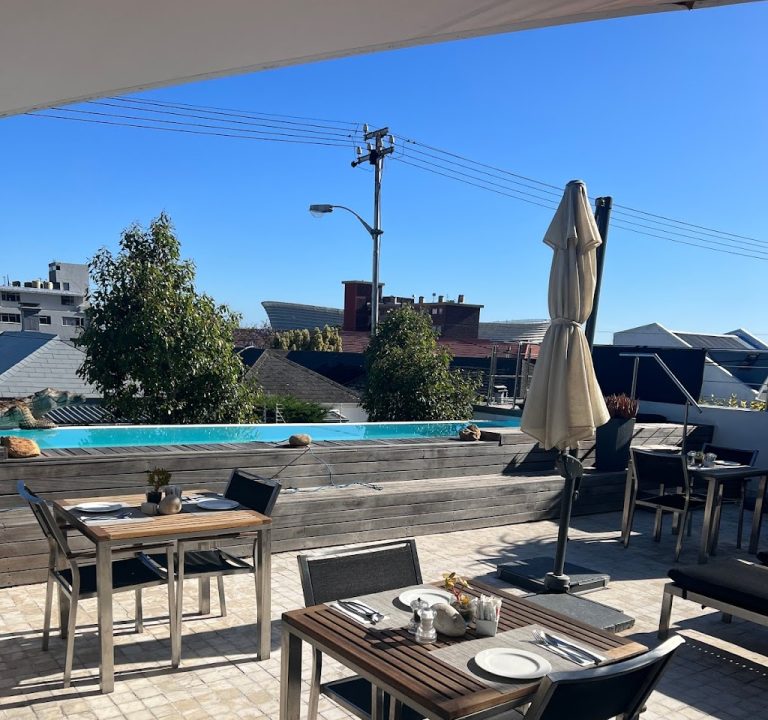
When researching a property, pay attention to the following typical amenities and features. A well‑appointed guest house or boutique hotel should offer secure, on‑site parking if you are travelling by car; a well‑equipped breakfast area or restaurant on site or nearby partner venues; and common spaces such as a comfortable lounge or library where travellers can connect or unwind after a day of exploring. Outdoor spaces, like a pool or terrace with views, can be a real bonus given Cape Town’s climate. Some properties may even offer curated experiences, such as guided walks, wine tastings, or recommendations for local dining venues, sometimes in collaboration with trusted partners.
Beyond your lodging, Cape Town’s draw is guided by its landscapes and cultural sites. You can expect to encounter sweeping coastlines, vantage points over Table Bay, and accessible coastal pathways. For a balanced itinerary, combine nature activities—like scenic drives along the peninsula and hikes with panoramic viewpoints—with urban days exploring markets, galleries, and neighbourhood cafés. When planning meals, consider a mix of casual eateries and more refined venues that showcase seasonal produce and contemporary twists on classic dishes. In general terms, Cape Town’s dining scene emphasises fresh seafood, garden‑fresh vegetables and regional flavours that reflect the city’s diverse communities.
Practical tips to help you get more from your stay:
- Book early in peak season, especially if you have specific room preferences or want access to a particular property’s facilities.
- Ask about accessibility of rooms and public spaces, especially if travelling with family or guests with mobility needs.
- Request local recommendations for transfers, day trips, and must‑see viewpoints to avoid crowds at well‑known spots.
- Check cancellation policies and whether the property offers flexible options in case travel plans change.
For a taste of authentic Cape Town hospitality, consider staying somewhere with a strong sense of place and easy access to the city’s essential landmarks. Harpers House, with its distinguished heritage, curated breakfast offerings and partnerships with nearby venues, provides a compelling example of how a guest house can combine historic charm with modern convenience. Explore the property’s pages for room options, galleries and guest services to help plan your stay: https://www.harpershouse.co.za/.
In summary, Cape Town rewards thoughtful planning: select a neighbourhood that matches your preferred pace, prioritise a property with comfortable, practical amenities, and balance your days between outdoors, culture and cuisine. With careful choices, your Cape Town stay can be as memorable as the city’s famed scenery.