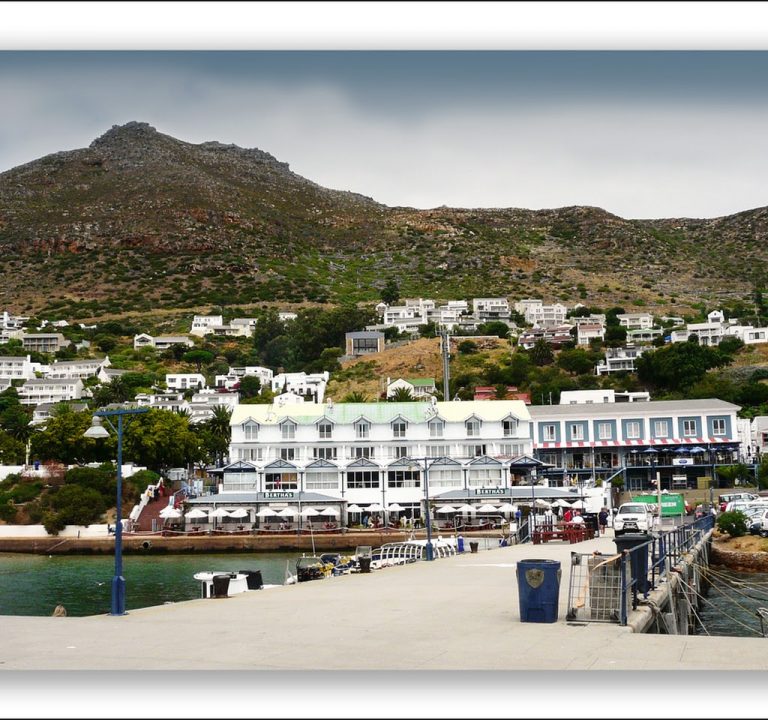
Discover Cape Town: accommodation and experiences in the Western Cape
Cape Town is a dynamic destination where cosy self-catering havens sit alongside stylish guesthouses and modern hotel rooms. When planning a stay, think about which neighbourhood best matches your pace, whether you crave sea views, easy access to the city’s iconic sights, or a quieter escape in the surrounding winelands. For visitors seeking flexible options, self-catering properties can provide home comforts, space for groups, and the freedom to explore at your own rhythm. Harbour Lights Accommodation, for example, offers self-catering spaces that let guests tailor their days—from morning coffee on a private veranda to evenings in a fully equipped kitchen after a day of exploring the region.
Areas to consider include the Atlantic Seaboard for stunning beaches and dramatic coastline, the City Bowl for proximity to markets, museums, and nightlife, and the Constantia Valley for vineyards and tranquillity just beyond the city centre. If you prefer traditional charm and a sense of community, leafy suburbs near the slopes of Table Mountain offer convenient access to hiking trails and panoramic views. Each area has its own character, so think about what you want to do most during your stay and choose a base that keeps transfers short and straightforward.
Booking considerations are key to a smooth stay. Look for properties with flexible cancellation policies, clear housekeeping schedules, and transparent pricing. Check whether the accommodation provides essentials such as reliable Wi‑Fi, well-equipped kitchens or kitchenettes, comfortable heating or cooling, and secure parking if you plan to drive. For families or groups, confirm the size of living spaces and whether extra sleeping arrangements are available. If you’re visiting in peak season, consider securing a stay well in advance, especially for popular locations with water views or quick access to attractions.
Typical amenities you may encounter include coffee and tea provisions, in-room storage, laundry facilities, private terraces or balconies, and barbecue areas. Many self-catering options also offer shared spaces such as communal lounges, swimming pools, or garden seating. In Cape Town, a well-equipped kitchen and a nearby grocery option can save both time and money, while a laundry facility can be a practical requirement for longer visits. If you’re relying on public transport, check proximity to MyCiTi routes or train stations, and confirm whether the property can facilitate easy airport transfers or car hire arrangements.
Transport and getting around are an important part of the planning. Cape Town’s geography means some sites are easier to reach by car, while others are well served by reliable urban buses or guided tours. A central base in the City Bowl or near the V&A Waterfront often provides convenient connections to major sights, dining, and harbour activities. If you plan day trips to the Cape Peninsula, Constantia, or the Winelands, a private or shared tour can be a practical alternative to navigating local traffic yourself. Remember to allow extra time for traffic during peak hours and for scenic detours along the coastline.
The best time to visit Cape Town depends on what you want from your trip. Spring (September to November) brings wildflowers and milder weather, while autumn (March to May) offers pleasant temperatures and fewer crowds. Summers (December to February) are lively with long daylight hours, but can be busy near beaches and popular attractions. Winters (June to August) are cooler and rainier, yet often provide a quieter base for exploring museums, markets, and coastal walks. If you’re keen on outdoor activities, pack versatile layers, sun protection, and comfortable walking shoes to navigate uneven terrain and scenic trails around the peninsula and Table Mountain.
When planning activities, think beyond the well-trodden tourist spots. Cape Town’s geography and climate support a broad range of experiences: scenic coastal walks, harbour and waterfront strolls, markets offering crafts and regional produce, and trails that lead to sweeping panoramas. For a relaxed day, you might explore lush parks and nature reserves or enjoy a guided walk that explains the city’s history and harbour culture. Food lovers can expect a diverse dining scene, from fresh seafood and traditional Cape Malay dishes to modern bistros and international flavours. Restaurants often reflect the city’s multicultural heritage, with venues ranging from informal cafés to stylish venues that prioritise seasonal ingredients and creative presentation.
Practical tips to help you plan a confident stay:
- Confirm the property’s check-in times and whether self-check-in is available for flexibility.
- Ask about household essentials, including soap, towels, and kitchen basics, to avoid packing unnecessary items.
- Consider a light travel plan for days with long drives or sea breezes along the coastline.
- Check for parking availability if you’re driving, and verify the safety of your chosen area, especially after dark.
- Explore nearby markets and eateries to sample regional specialties while supporting local businesses.
In summary, Cape Town offers a rich mix of accommodation options, with self-catering properties providing flexibility and comfort for a varied itinerary. Select a neighbourhood that aligns with your plans—whether you want harbour views and beach access, a central hub for urban adventure, or a tranquil retreat among vines. With thoughtful preparation, your stay in the Western Cape can be both convenient and memorable, leaving you free to savour the scenery, cuisine, and experiences that make Cape Town a standout destination.