Guinea Fowl House is a Guest house establishment in Cape Town, Western Cape, South Africa
About Guinea Fowl House, Cape Town
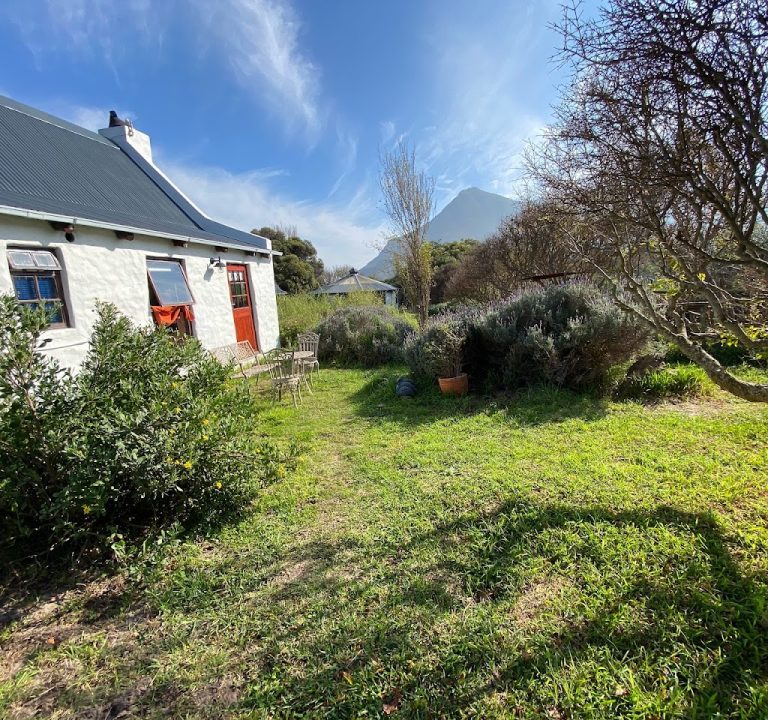
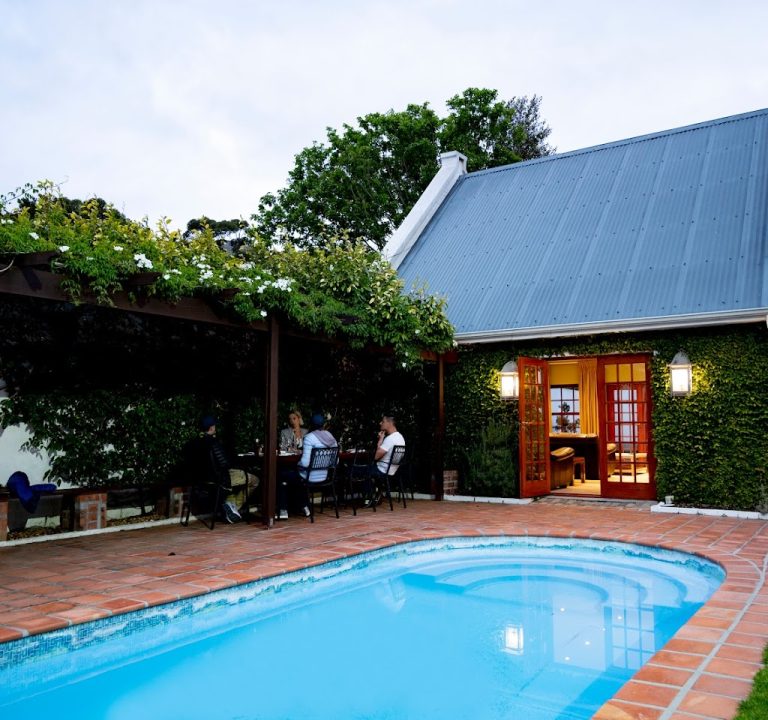
Guinea Fowl House sits in Cape Town’s Western Cape, framed by the serene surrounds of Noordhoek. Aimed at travellers seeking a relaxed retreat with outdoor appeal, the property presents itself as a stylish base for exploring the area’s natural beauty while enjoying comfortable, well‑appointed spaces. The listing emphasises an outdoor ambience, with elements such as a pool, firepit and garden that invite guests to linger outside during warm, sunny days and cooler evenings alike.
From the outset, the accommodation style communicates a sense of laid‑back sophistication. The focus appears to be on creating a light, airy atmosphere where guests can unwind in a private setting. The property’s layout is described in terms of its outdoor amenities and greenery, suggesting a calm, nature‑oriented experience that suits those who appreciate space to breathe and outdoor living as part of the holiday rhythm. While precise interior configurations or room types are not detailed in the summary, the emphasis remains on comfort, privacy and a touch of countryside charm within a short journey from Cape Town’s urban highlights.
For travellers who prioritise outdoor living, Guinea Fowl House presents a compelling proposition. A pool provides a refreshing focal point for daytime relaxation, while a firepit offers a gathering spot for evenings under the stars. The garden space is positioned as a core feature, reinforcing the sense of tranquillity and connection with nature. These elements collectively position the property as an ideal option for guests seeking a retreat where outdoor enjoyment is central to the experience.
The dwelling is suitable for a range of travellers, including those visiting for a peaceful break, couples seeking a romantic escape, or small groups looking for a private, self‑contained stay. The ethos of the place appears to align with a relaxed, unfussy approach to travel that still honours comfort and style. By focusing on outdoor amenities and a gentle, scenic setting, Guinea Fowl House appeals to individuals who want to spend time exploring the surrounding landscape and coastline of Noordhoek while returning to a calm, well‑equipped home base.
Accessibility and transportation considerations are not exhaustively listed in the summary. Yet, the location’s nature‑centric appeal suggests that guests may benefit from a vehicle to explore nearby beaches, viewpoints and rural trails at their own pace. The listing’s emphasis on a private villa experience hints at a level of autonomy typical of self‑catering or semi‑self‑contained stays, where guests can manage meals and daily routines with convenience and independence.
Booking and travel tips gleaned from the listing’s presentation point to a thoughtful stay designed around personal downtime and leisure. Prospective guests should review the exact terms on the booking platform, including any house rules, check‑in procedures, and any shared facilities if applicable. The property’s page on Airbnb (guineafowlhousect) serves as the primary source for current availability, pricing, and policy details. For travellers navigating this destination, it’s advisable to consider peak‑season demand, potential travel time to central Cape Town, and the convenience of nearby attractions in Noordhoek when planning activities and day trips.
Nearby highlights, while not itemised in the brief overview, are commonly encountered around Noordhoek and the greater Cape Town region. Visitors often value the area for its scenic coastline, expansive skies, and the sense of space that complements a countryside‑inspired villa stay. Whether it is a day trip to the coastline, a scenic drive through the western cape landscape, or an easier afternoon spent in the villa’s own outdoor setting, Guinea Fowl House is positioned as a retreat that supports a balanced itinerary of relaxation and exploration.
Practical considerations for potential guests include reviewing the platform’s guidance on cancellation, payment, and refund policies before booking. Reading recent guest reviews can provide additional insights into the experience, noting aspects such as comfort, service, and the effectiveness of the outdoor spaces in varying weather. Guests are encouraged to prepare for the climate, pack accordingly for outdoor evenings by the firepit, and plan meals in a way that leverages the private, self‑contained nature of the stay if applicable.
- Private outdoor spaces with a pool, firepit and garden setting
- Self‑contained or semi‑self‑catering accommodation style typical of villa stays
- Suitable for couples, small groups, or travellers seeking a peaceful Noordhoek base
- Close enough to explore Cape Town’s coastal and rural surrounds while returning to a tranquil villa
For those considering a stay at Guinea Fowl House, the best starting point is the property page on Airbnb, which offers the most current information on availability, pricing and house rules. The listing serves as a practical gateway to understanding what the villa offers, how the space is configured, and how guests can maximise their time in a setting that blends countryside calm with easy access to Cape Town’s western cape highlights. A stay here promises a relaxing retreat with outdoor appeal, grounded in the charm of Noordhoek and the broader Cape Town region.
Cape Town
Western Cape
7979
South Africa


Cape Town: Accommodation, Attractions and Practical Planning for Visitors
Cape Town sits between the Atlantic Ocean and a dramatic mountain backdrop, offering a rich mix of coastal chic, colonial heritage, and modern South African culture. When planning a stay, travellers can focus on a few well‑defined neighbourhoods to balance scenery, access to attractions, and pace. From family‑friendly guesthouses in leafy suburbs to stylish boutique hotels along the shore, the range is broad enough to suit most tastes and budgets.
Areas to consider include the City Bowl for easy access to museums, restaurants and nightlife; the Atlantic Seaboard (including Camps Bay and Bantry Bay) for beach walks and sunset views; the Constantia Valley for wine routes and tranquil estates; and Noordhoek or Simon’s Town for a laid‑back coastal vibe and outdoor activities. If you prefer a mix of convenience and scenery, older‑city guesthouses in spaces such as Green Point or the Gardens offer close proximity to the V&A Waterfront, with quick access to hop‑on hop‑off routes and public transport.
Guest houses and boutique stays can be a good fit for travellers seeking a more personal touch. For example, a guest house such as Guinea Fowl House in Noordhoek offers a quieter base from which to explore the Cape Peninsula, while still being within reach of central Cape Town and the surrounding sights. Such properties typically provide a homely atmosphere, usually with communal spaces, breakfast options, and a friendly host who can share local tips on must‑see routes and picturesque stops.
Booking considerations should balance location, size, and the level of service you want. Look for properties with clear information about room types (ensuite versus shared facilities), parking arrangements, and access to public transport or parking if you are renting a car. In Cape Town, many stays include breakfast and offer flexible check‑in times, but it is worth confirming these details in advance, especially during peak holiday periods or long weekends.
Typical amenities you can expect include en‑suite bathrooms, air conditioning or ceiling fans, reliable Wi‑Fi, adequate heating for cooler months, secure parking, and easy access to outdoor spaces such as patios, gardens or pools. For families, a property with a kitchenette or simple self‑catering facilities can be a practical choice. If you are planning longer stays, a washer/dryer or laundry facilities may save time during your trip. Many guest houses also provide thoughtful extras, such as local wine recommendations, maps, and advice on scenic drives or family‑friendly beaches.
Transport in Cape Town is diverse. If you are staying in central areas, you can often walk to cafés, markets, and parks, with Uber or local taxi services as convenient options for evening meals or trips to the V&A Waterfront. If you hire a car, you will gain flexibility to explore the Peninsula, winelands and mountain trails at your own pace. For independent travellers, many guest houses can arrange airport transfers or advise on safe public transport routes, but always check current guidance and plan for peak traffic times, especially during holiday seasons and school holidays.
Best time to visit Cape Town depends on what you want from your stay. The summer months (mid‑November to February) offer long days, beach weather and outdoor events, but infrastructure can be crowded. Autumn (March to May) and spring (September to November) bring milder temperatures and quieter areas, ideal for hiking up Table Mountain or touring the Cape Winelands. Winter (June to August) is cooler and wetter, which can be perfect for museum days and dining experiences, with fewer crowds near popular coastal routes. Regardless of season, it is wise to plan some outdoor activities for favourable weather windows and to allocate time to enjoy the city’s diverse food scene and markets.
Practical planning tips:
- Book accommodation with flexible cancellation where possible, especially if your plans may change due to weather or travel disruptions.
- Consider proximity to transport hubs or main routes to reduce travel time between sights.
- Check for safety features in the property and understand street‑level access, particularly in residential areas.
- Look for properties that offer guidance on local experiences, such as nature walks, scenic drives, or food markets, to maximise your time.
- Pack layers for variable coastal weather and bring sun protection for outdoor days.
When it comes to attractions and dining, Cape Town offers a broad spectrum—outdoor adventures, cultural institutions, and a thriving culinary scene. You can plan a day that includes a coastal trail, a visit to a landmark viewpoint, and a relaxed meal in a neighbourhood bistro or a market that emphasises fresh, local produce. While it is wise to research specific venues in advance, a balanced itinerary that mixes nature, city culture, and good food will create memorable experiences without overwhelming your schedule. For accommodation, read recent guest reviews, confirm what is included with your stay, and use the hosts’ local knowledge to tailor your visit to your interests.
Website links to accommodation and local experiences can be useful for planning. For example, property pages hosted on reputable platforms often provide detailed descriptions, neighbourhood guides, and practical tips for guests. A thoughtfully chosen guest house or boutique hotel can be the connective thread that links your accommodation to the city’s scenery, flavours and hospitality, helping you make the most of a stay in Cape Town.
Sorry, no records were found. Please adjust your search criteria and try again.
Sorry, unable to load the Maps API.
Why Claim Your Listing?
Claiming your listing on the B&B Finder directory website is a valuable opportunity for business owners. Here are five reasons why you should consider claiming your listings:
Control Over Business Information: By claiming their listing, business owners can ensure that all the information presented is accurate and up-to-date. This includes details such as contact information, address, pricing, and available services or amenities. Accurate information helps prevent customer confusion and improves overall satisfaction.
Enhance the Listing: Once a listing is claimed, owners can enhance it by adding more comprehensive information and rich media, like high-quality photos and videos. These additions can make the listing more attractive and engaging to potential customers, thereby increasing the likelihood of bookings.
Marketing Opportunities: Claiming a listing can also open up additional marketing opportunities. Owners may be able to participate in promotional campaigns, special offers, and other marketing activities organized by the directory. This can increase visibility and attract more customers to the business.