Hartbeespoort: Accommodation and Attractions for a Relaxed North West Escape
Hartbeespoort, tucked beside the Magaliesberg mountains and spanning the tranquil waters of the Hartbeespoort Dam, offers a compact, welcoming base for travellers seeking a countryside feel without long transfers. The area is home to a range of lodging options—from intimate guesthouses and boutique inns to mid‑range hotels and lakeside lodges—each with its own character and proximity to both outdoor pursuits and cultural experiences. When planning a stay here, it helps to think about pace, scenery, and how you want to spend your days: quiet mornings by water, gentle hikes, or day trips to nearby towns and viewpoints.
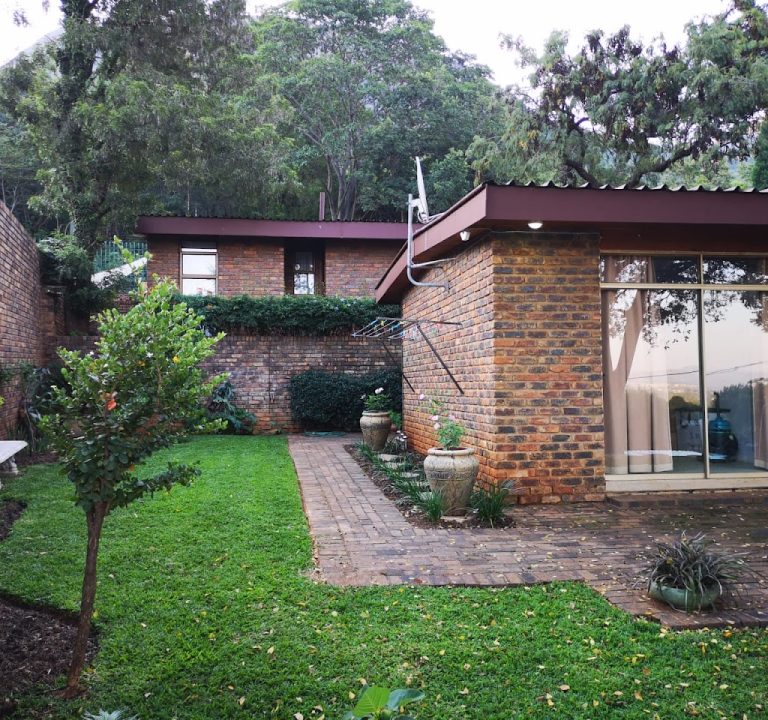
Areas to consider largely shape your experience. The dam area is convenient for water activities, sunset views, and easy access to scenic drives along the water’s edge. Residential pockets closer to the Magaliesberg foothills provide a more relaxed, countryside ambience with greenery, birdsong, and short forested paths. For a lively yet restful atmosphere, some lodging in central Hartbeespoort offers handy access to shops, eateries, and entry points for longer day trips. When selecting a property, look for a comfortable base with generous parking, clear access to nature trails, and options for indoor dining in case weather turns cooler.
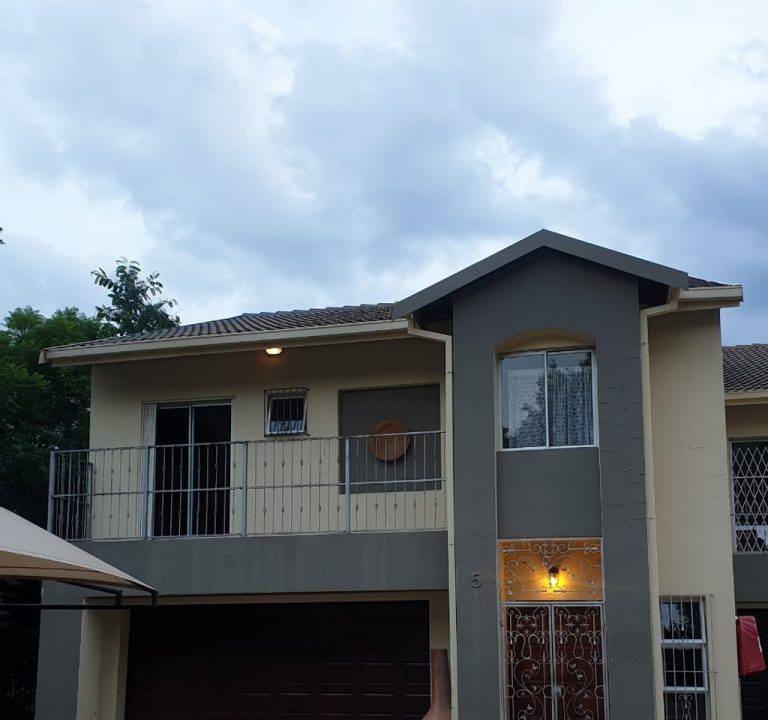
Typical amenities to expect include en-suite bathrooms, secure parking, free Wi‑Fi, and options such as outdoor decks or balconies with dam or mountain views. Many guesthouses and boutique hotels aim to create a personalised touch, offering hearty breakfasts, well‑appointed lounges, and sometimes small wellness spaces or spa treatments. If you value self‑catering or kitchen facilities, several lodges and guesthouses provide self‑contained units or kitchenettes, which can be especially convenient for families or longer stays. Transport considerations are important: having a car gives you maximum flexibility to explore the wider region, though some properties offer shuttle services or convenient access to taxi routes for short excursions.
Seasonality influences what you can do and how you feel about the weather. The spring and autumn shoulder seasons bring mild temperatures and comfortable days for outdoor activities such as gentle hikes, birdwatching, and easy cycling. Summer can be warm and ideal for water‑based activities on the dam, but plan for occasional showers. Winter is cooler, with clearer light for photography and dine‑in evenings that showcase cosy hospitality. If your trip centres on outdoor adventures, it is sensible to book accommodation with good heating and warm communal spaces in the evenings. Always check sunrise and sunset times for the area so you can plan light walks or viewpoints during daylight.
Attractions and activities in the region generally fall into several categories. For water lovers, a stay near the dam unlocks boating, paddle‑boarding, and relaxing lakeside strolls. The surrounding landscape invites scenic drives and short hikes with views across the water and into the surrounding hills. For a family or casual visitor, you’ll find farm‑to‑table coffee spots and casual eateries, alongside shops and markets where you can browse crafts and local produce. Landscape viewpoints and cable‑car or chairlift experiences may feature as part of day‑trip itineraries, offering elevated perspectives of the valley and the mountains. It is common for local operators to provide guided nature walks, birdwatching opportunities, and educational stops along the route, which can be engaging for guests who want to learn about the area’s flora and fauna without strenuous hikes.
When it comes to dining, expect a mix of relaxed cafés, grille‑style restaurants, and refined inns, with menus that spotlight regional produce and comforting classics. If you prefer self‑catering, many lodges and guesthouses offer kitchen facilities or shared kitchen areas, making it easy to prepare light breakfasts before morning outings or casual suppers after a day of exploration. It is wise to reserve tables or check opening times for popular venues, especially during weekends and holiday periods, to ensure you have a dining plan that suits your schedule.
Booking tips to maximise comfort and minimise risk:
- Choose accommodation with clear photos of rooms, bathrooms, and common spaces, plus recent guest reviews that mention cleanliness, comfort, and service.
- Confirm parking availability and assess access routes to ensure easy entry and exit, particularly if you plan day trips or late arrivals.
- Ask about breakfast options, kitchen facilities, and the availability of light meals in the evenings if you anticipate long days of outdoor activities.
- Check the proximity to key activities you want to pursue—water activities, viewpoints, or short hikes—and whether transfers or shuttles are offered by the property or local operators.
- Look for properties with flexible cancellation policies and clear information on how to adapt plans in case of weather changes.
Practical tips for a smooth visit: carry layered clothing for early mornings and cool evenings, bring sturdy walking shoes for uneven paths, and plan a light itinerary that balances outdoor time with periods of rest. Should you rely on self‑drive exploration, ensure your vehicle is well prepared for rural roads and weather conditions, and keep a copy of maps or offline navigation handy. For a calmer pace, designate one or two anchor activities per day—such as a damside walk, a scenic drive, or a gentle nature walk—so you can enjoy Hartbeespoort without rushing.
For further inspiration and up‑to‑date ideas, you can explore regional tourism resources or visit the official visitor sites that provide overviews of accommodations, routes, and practical planning tips. Whether you stay in a lakeside guesthouse, a cosy lodge near the foothills, or a comfortable hotel with easy access to the dam, Hartbeespoort offers a welcoming gateway to the North West’s outdoors‑oriented charm. More information can be found at local tourism portals and property websites that highlight the unique character of the area.