Accommodation and things to do in Cape Town: planning a memorable stay
Cape Town in the Western Cape offers a vibrant mix of scenery, culture, and cuisine, making it a standout destination for a range of travellers. When planning a stay, you can tailor your accommodation to match the rhythm of the city, whether you prefer a cosy guest house, a stylish boutique hotel, or a self-catering apartment with easy access to the waterfront and surrounding districts. A well-chosen neighbourhood sets the tone for your visit, helping you balance time between iconic sights, beaches, and quiet streets lined with cafes and shops.
Areas to consider include the central City Bowl, which places you within walking distance of museums, market halls, and theatre venues. The Atlantic Seaboard offers glamorous sea views and easy access to long beaches, while the Green Point and Waterfront precincts blend modern conveniences with scenic promenades. For a calmer atmosphere, the southern suburbs such as Constantia and the southern peninsula offer leafy serenity and wine routes, ideal for day trips. When selecting a base, think about proximity to the activities you want to prioritise and the kind of pace you favour—buzzing streets near Lion’s Head will feel different from a tranquil guest house tucked away in a quiet lanes of a historic neighbourhood.
Typical amenities to look for include free Wi‑Fi, secure parking or easy access to public transport, flexible check‑in/out options, and a responsive host or front desk team. Many guest houses and boutique hotels in Cape Town provide breakfast, with some offering additional meals or curated living spaces that feel like a home away from home. Room features to consider include air conditioning or ceiling fans (important in warmer months), good natural light, a comfortable bed, and private ensuite bathrooms. If you travel with family or require accessibility, confirm room configurations, elevator access, and any ground-floor options before booking. A well-run property will also offer clear information about local transport options and tips for navigating the city safely.
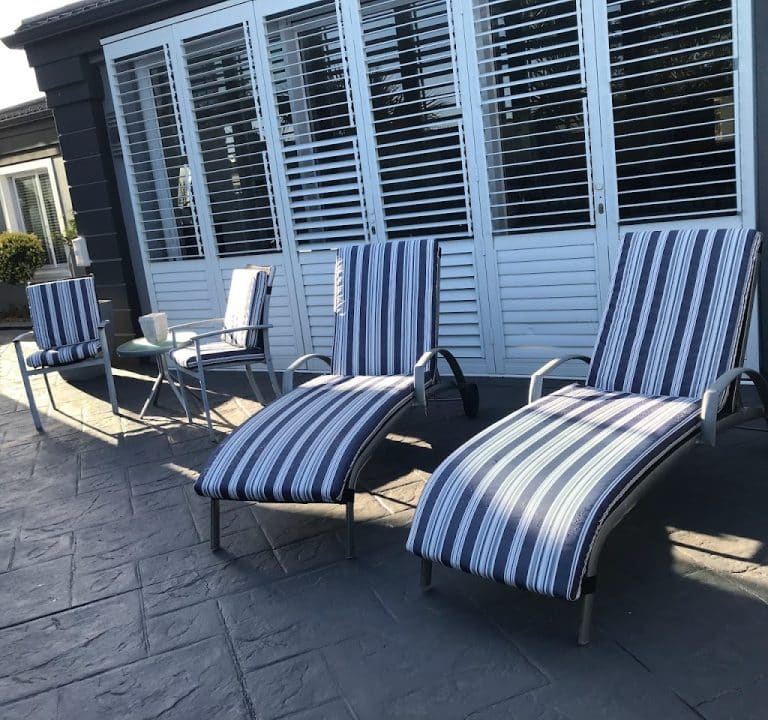
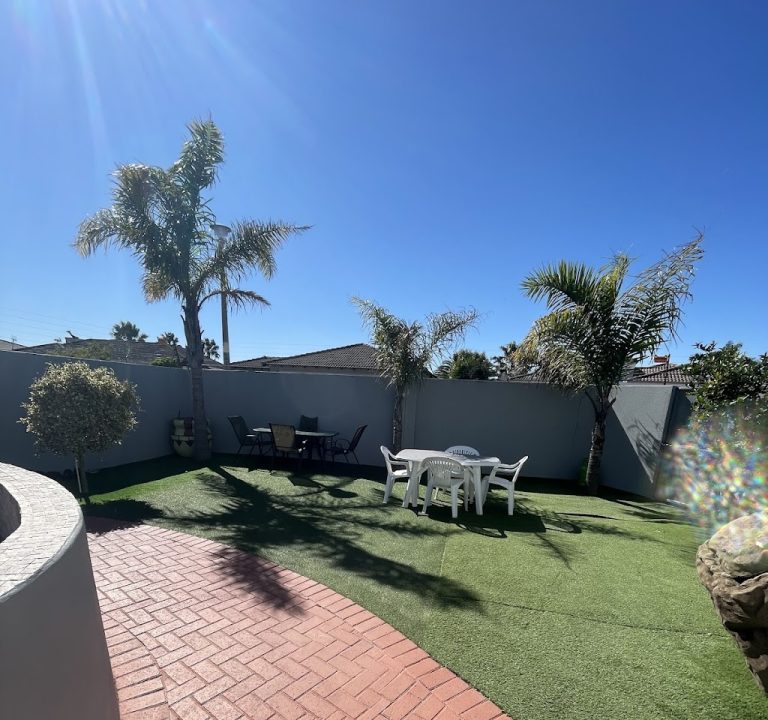
For travellers staying at places such as Guest House Mandji and similar guest houses, a central characteristic is friendly hospitality paired with efficient service. Booking platforms often highlight guest reviews that can help you gauge consistency in cleanliness, breakfast quality, and the attentiveness of staff. When in doubt, reach out with a quick message to confirm dietary needs, late arrival possibilities, or special requests—hosts in Cape Town frequently tailor stays to individual plans, whether you’re in town for conferences, road trips along the coast, or a weekend of exploring markets and galleries.
Transport in Cape Town is varied and generally straightforward. The MyCiTi bus network covers many routes between the city centre, the Atlantic Seaboard, and popular suburbs, making self-guided exploration feasible without a car. For coastal drives and nature highlights, many travellers prefer hiring a car or using ride-hailing services. If you plan day trips to the Cape Peninsula, Chapman’s Peak and coastal towns, a car provides the flexibility to adjust plans as weather changes. In areas closer to the city, walkability is a real advantage, especially for discovering street art, cafés, and small shops at your own pace. When booking accommodation, a note on proximity to transport hubs can save time and help you strike a better balance between exploration and rest.
The best time to visit Cape Town depends on what you want to do. Peak tourist months are usually in the southern hemisphere summer, when beaches are inviting and outdoor activities flourish. Spring (September to November) and autumn (March to May) offer mild weather, fewer crowds, and lush landscapes. Winter (June to August) can be cooler and cloudier, but it is also a season with fewer visitors and rich opportunities for tasting menus and museum days. If your plan includes wine-tasting in nearby Constantia or Stellenbosch, consider combining a couple of good-weather days with a flexible itinerary to make the most of seasonal conditions.
When planning activities, you can structure days around scenic outdoor experiences, world-class dining, and cultural discoveries. Iconic natural highlights include table‑landscapes and coastal trails that reward patient walkers with sweeping views. For culture and cuisine, expect an array of markets, wine bars, and eateries offering modern takes on South African dishes. Rather than chasing a single “must-see” list, design a mix of experiences that suits your pace: a sunrise climb, a leisurely stroll along the famous harbourfront, a museum visit, and an evening meal that showcases local produce.
Practical tips to help you make the most of your stay:
- Book a property with clear cancellation terms and a responsive host or management team.
- Check for secure parking or reliable public transport access if you plan to move around frequently.
- Ask about breakfast options and any dietary provisions in advance.
- Bring appropriate layers for variable weather, especially in spring and autumn.
- Pack a reusable water bottle and sunscreen for outdoor days.
In summary, Cape Town rewards travellers who choose accommodation thoughtfully, balancing location, comfort, and personal rhythm. Whether you stay in a characterful guest house such as Guest House Mandji or in a contemporary hotel with sea views, your base should feel like a gateway to the city’s many experiences. With careful planning around transport, seasons, and the kinds of activities you enjoy, you can create a varied and memorable itinerary that captures the essence of this remarkable corner of South Africa. For further inspiration and practical planning, you can explore official tourism resources and accommodation listings to tailor your stay to your preferences and timeframe.