Accommodation and Experiences in Krakeel River, Eastern Cape
Krakeel River in the Eastern Cape offers a tranquil retreat for travellers seeking wide horizons, fresh air and slow, authentic experiences. While the area is characterised by its rural charm and unspoilt scenery, it also provides sensible, comfortable base options for exploring the region’s natural beauty and cultural warmth. Whether you arrive for a weekend escape or a longer stay, planning ahead will help you make the most of your time in and around Krakeel River.
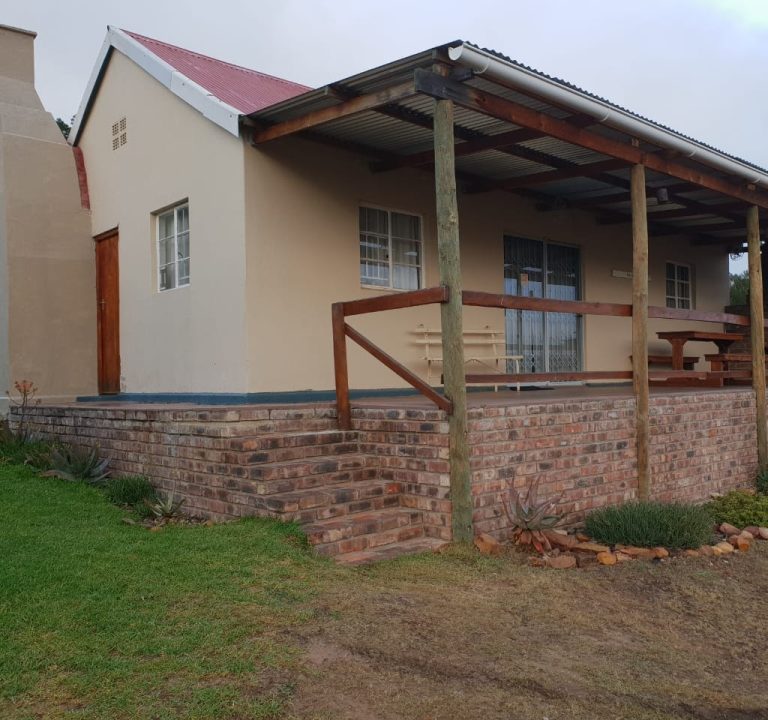
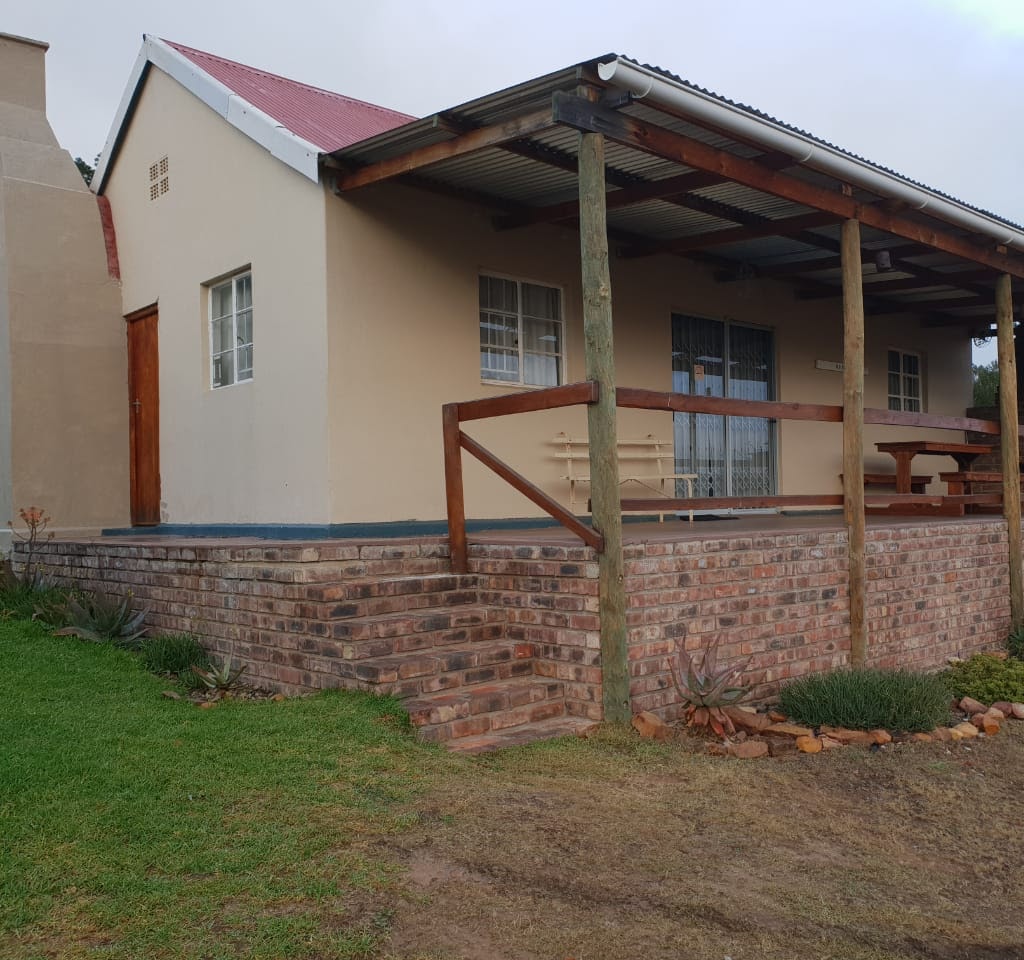
When choosing where to stay, consider the distance to key attractions, the type of setting you prefer and the level of self-sufficiency you want. Guesthouses and farm stays are common here, often blending rustic charm with practical comforts. Options typically range from intimate, family-run guesthouses to working farms that welcome visitors to learn about rural life. If you value privacy and an unmistakable sense of place, a small guesthouse with well-provisioned rooms can offer both convenience and character. For families or groups, larger properties with communal spaces and outdoor areas can provide ideal gathering spots after a day out of doors.
Typical amenities you might find include en-suite bathrooms, reliable hot water, warm heating for cooler evenings, and adaptable sleeping arrangements for groups. Many properties in this region also prioritise homemade or locally sourced breakfasts, hearty dinners, and guidance on nearby trails. Some offers may include access to a garden, a veranda or patio for animal and birdwatching, and secure parking. If you’re travelling with a vehicle, look for sensible parking and easy access to the main routes without long detours.
Transport planning is important in rural Eastern Cape. Roads are generally well maintained, but distances between villages can be considerable, and mobile phone reception may be variable in some parts. If you’re relying on public transport, map out connections in advance and consider arranging arrangements with your host or a local taxi operator for specific day trips. Having a rough itinerary helps you coordinate meals, check-in times and possible guided experiences offered by the property or nearby operators.
Best time to visit Krakeel River depends on your priorities. Spring and autumn often provide milder weather for outdoor activities, while summer brings longer days and lush landscapes. If you are drawn to wildlife or birdwatching, early mornings and late afternoons are typically rewarding. Winter can be cooler and occasionally windy, but cosy guesthouses with fireplaces or wood-burning stoves can make evenings especially inviting. Pack for changing conditions, with layers for day trips and a light rain jacket just in case.
One of the delights of staying in this region is the opportunity to discover the surrounding countryside at a relaxed pace. Expect scenic drives, farm gates, and small-holding farms offering produce you might sample or purchase. Forest-fringed hills, open savannah, and riverine landscapes create appealing backdrops for walking, short hikes, or simply enjoying a quiet coffee with a view. For those with a penchant for culture, the Eastern Cape’s hospitality usually includes conversations about local traditions, farming life, and the landscape that sustains communities here.
Dining and nightlife in Krakeel River are typically modest but satisfying. Many guesthouses and farm stays prioritise home-cooked meals that showcase seasonal ingredients and regional flavours. If you prefer to explore off-property, your host can usually point you towards nearby eateries or markets that offer relaxed, community-oriented meals and friendly service. When planning dinners, it’s useful to confirm whether meals are available on-site or whether you’ll need to book neighbouring options in advance, especially during peak periods.
Planning your activities in the area can be simple and rewarding. You might map out a gentle day by the river, followed by a visit to a nearby farm stall for fresh produce, or a guided nature walk organised by a lodging provider. If you enjoy learning about rural life, ask your host about farming practices, seasonal routines, and wildlife around the property. For longer stays, you could incorporate a day trip to neighbouring towns, markets or protected natural areas to gain a broader sense of the region’s heritage and landscape.
Accommodation options to consider include:
- Guesthouses that offer a welcoming, intimate atmosphere with communal spaces for socialising
- Farm stays that provide a sense of place and opportunities to learn about rural farming life
- Self-catering cottages for flexibility, with kitchens stocked for longer visits
- Bed-and-breakfast-style rooms with breakfast service and local recommendations
Notable examples of traveller-friendly choices include established farm properties that balance comfort with authenticity. For example, Grootnek Guest Farm offers a traditional guesthouse experience on a working farm and provides a website where guests can learn more about facilities and context for their stay. You can explore their offering at Grootnek Guest Farm.
Practical tips for planning a stay in Krakeel River:
- Check the terrain and accessibility of your chosen property, especially if you plan outdoor activities or have mobility considerations.
- Discuss pet-friendly policies if you travel with animals, as not all rural properties accept pets.
- Confirm meal arrangements and inform hosts of dietary requirements in advance.
- Ask for guidance on local safety, transport options, and the best viewpoints or trails for your interests.
- Bring cash for markets and rural providers who may prefer traditional payment methods; some places have card facilities, but this is not universal.
In summary, Krakeel River and its surrounding countryside offer a welcoming stage for a restorative break in the Eastern Cape. With thoughtfully chosen accommodation, modest but well-appointed amenities, and hosts who know the area, you can design a stay that balances rest, scenery and light discovery. By planning with care and staying open to local recommendations, your visit can feel comfortably curated and genuinely rural in equal measure.