Accommodation and experiences in Tulbagh, Western Cape: planning your stay
Tulbagh, a heritage town in the Western Cape, offers a satisfying mix of countryside charm and comfortable hospitality. Visitors typically base themselves in the centre of town or along the surrounding valleys, where guest houses, self‑catering cottages and boutique lodges provide easy access to historic streets, wine farms and olive estates. A well‑planned stay balances restful evenings with day trips to the surrounding winelands, mountain trails and traditional Cape cuisine.
When choosing where to stay, consider the area best suited to your interests and pace. The historic core around Church Street is ideal for those who enjoy architectural character, local cafés and strolls to the Anglican church and town square. If you prefer a quieter countryside ambiance, look for properties on the outskirts or along the valley with views of orchards, vineyards or olive groves. Tulbagh is compact enough to walk between some venues, but rural lanes and steeper paths make a car or organised transfers very useful for wider exploring.
Accommodation types range from guest houses and B&Bs to small boutique hotels and self‑catering cottages. For a memorable stay, consider properties that showcase regional produce or have strong ties to the local agriculture, such as olive estates and wine farms. A well‑run guest house often offers a cosy lounge, hearty breakfasts, secure parking and thoughtful extras like pushbikes, maps or local restaurant recommendations.
Key amenities to look for when booking include reliable WiFi, private en suite bathrooms, and air conditioning or efficient cooling for warm Nil weekend days. If you plan to rise early for market mornings or scenic hikes, an option with flexible breakfast times or the possibility of a takeaway breakfast can be very convenient. Many Tulbagh properties also provide shaded outdoor seating, a plunge pool or garden space, and on‑site parking. If you are staying with family or a group, request a kitchen or kitchenette in advance and confirm bedroom configurations to suit your party size.
Transport in Tulbagh is practical for most visitors. Having a car is the simplest way to reach vineyards, landmarks and nearby towns. Some properties arrange transfers or guided day trips to nearby wine estates, olive groves and viewpoints. For those preferring public transport or organised tours, check whether your accommodation can point you to reputable local operators or provide a timeline for walking routes and cycle paths.
The best time to visit Tulbagh depends on your interests. Spring and autumn offer milder temperatures and quieter streets, making it ideal for backroad exploration and photography along the valley. Summer is lively, with longer daylight hours and the occasional warm spell; many guests enjoy outdoor dining at nearby terraces and olive estate experiences. Winter can be cool and crisp, often with dramatic skies over the mountains, which suits visitors seeking cosy lounges, hearty meals and fewer crowds. If you plan to visit vineyards or olive farms, coordinate with hosts to align with harvest or tastings, and always check seasonal opening times.
Practical planning tips to help you enjoy Tulbagh smoothly:
- Book early for peak periods, especially around holidays and long weekends, to secure properties with preferred locations and amenities.
- Clarify breakfast service times, check‑in windows and whether self‑catering options are available if your itinerary is flexible.
- Ask about parking arrangements and accessibility if you will be driving a rental or a larger vehicle.
- Request local recommendations for walking routes, scenic viewpoints and safe cycling routes in the surrounding countryside.
- Check whether your host can arrange guided tastings or day trips to nearby wine estates and olive groves, which can save time and enhance your experience.
Attractions in and around Tulbagh are a balanced mix of culture, history and nature. The town’s well‑preserved heritage streets offer architectural interest and a sense of the region’s past, while the surrounding valley provides vantage points for panoramic views and nature walks. In general terms, most visitors enjoy day trips that combine a wine tasting circuit with a visit to olive estates or farm shops, followed by a relaxed dinner at a restaurant or bistro that highlights local ingredients. For those seeking broader experiences, a scenic drive to nearby towns or to the Winterhoek or Ceres highlands reveals additional trails and viewpoints.
Dining options in Tulbagh tend to emphasise fresh, locally sourced produce and regional flavours. Expect seasonal dishes, warm hospitality and settings that range from intimate dining rooms to rustic terraces. When planning meals, consider checking in advance whether the property’s own kitchen or on‑site restaurant offers meals or light bites, and whether they can accommodate dietary preferences. For a broader choice, nearby farms and eateries usually provide a mix of casual cafés, bistro‑style menus and refined tasting rooms, all sharing an appreciation for the Western Cape’s agricultural heritage.
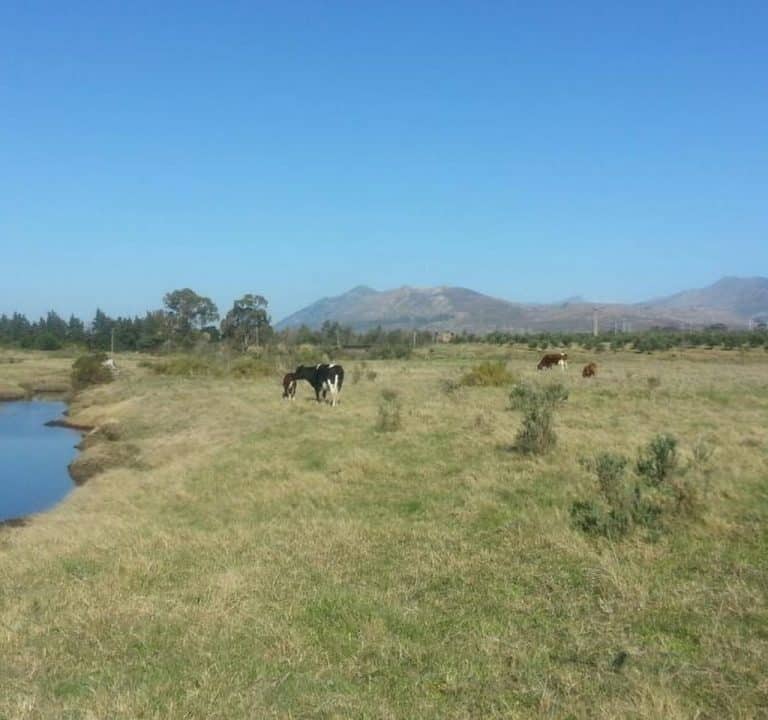
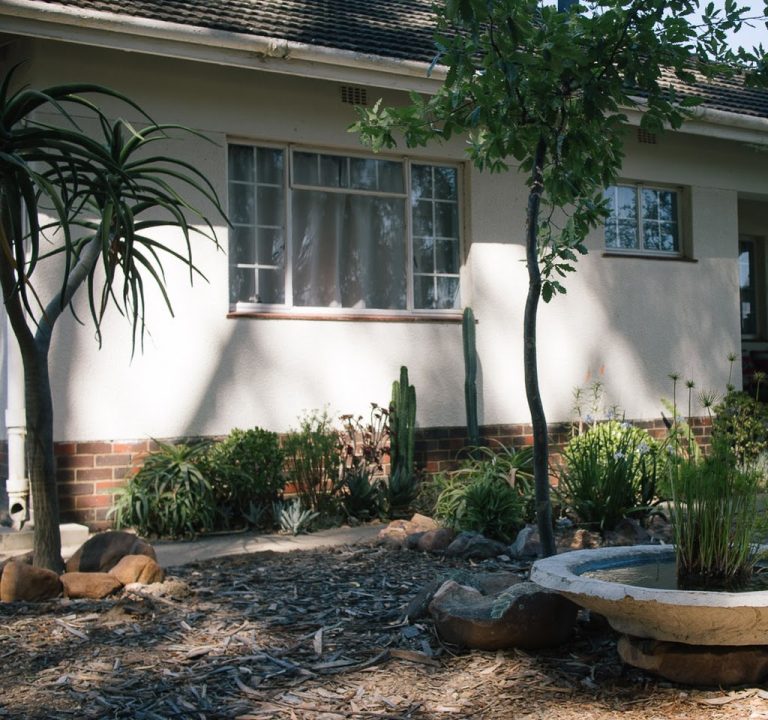
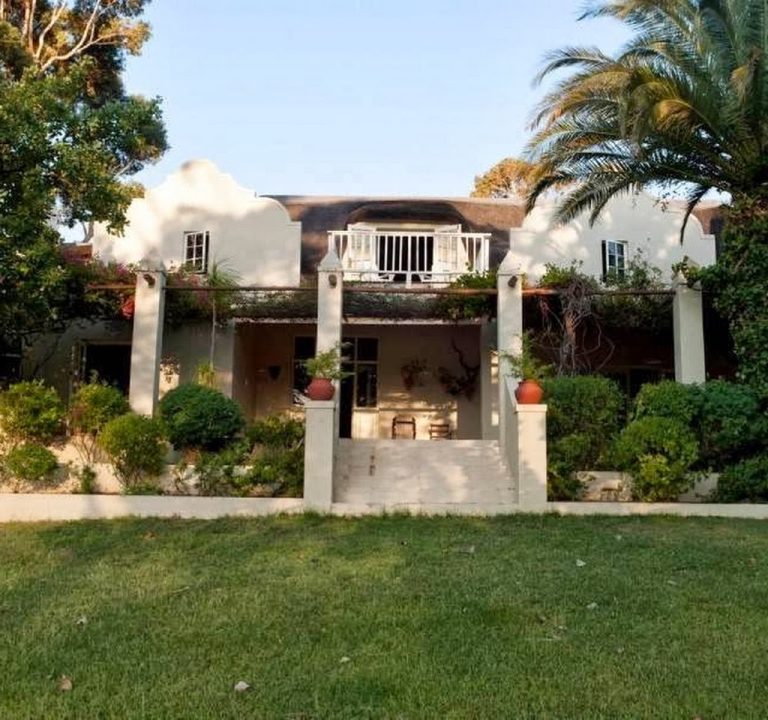
One example of the local hospitality landscape is Groote Vallei Olive Estate, a guest house that exemplifies the integration of accommodation with the surrounding olive groves. Staying at a property like this can offer a gentle rhythm to your days: mornings may begin with a stroll through the olive orchards or a quiet breakfast on a sunlit veranda, followed by exploration of Tulbagh’s historic streets or a short drive to nearby farms. While individual features vary, such options typically emphasise a peaceful environment, direct access to cultivated landscapes, and a friendly hosting approach that helps guests feel at home.
For a well‑rounded Tulbagh visit, aim to combine a comfortable base with purposeful explorations. Balance restful stays with light to moderate activity and allow time to slow down—whether you are enjoying a farm‑to‑table lunch, a scheduled tasting, or a scenic country drive. With careful booking and a flexible itinerary, Tulbagh’s hospitable accommodation, scenic surroundings and approachable attractions create a memorable Western Cape break that feels both comforting and energising. For more ideas and practical planning, you might explore the Tulbagh Tourism pages and read guest experiences from other travellers.