Klapmuts, Western Cape: Accommodation and Planning Guide for a Relaxed Stay
Located on the edge of the Cape Winelands, Klapmuts offers a convenient base for exploring the Boland region while staying in a peaceful, rural setting. The area combines easy access to Franschhoek, Paarl and Stellenbosch with the tranquillity of open fields, vineyards and smallholding farms. For visitors seeking flexibility, there are several self-catering and guesthouse options that suit both short breaks and longer stays, including the option to book a characterful property like Groendraai Accommodation, which focuses on self-catering hospitality.
When planning a stay in Klapmuts, start by choosing the right neighbourhood or area for your needs. If you want quick access to the N1 for day trips into Cape Town or to the northern winelands, a location near the main road can be practical. For a more tranquil experience close to nature and far from the city bustle, look for properties along the dustier lanes or small rural cul-de-sacs that expose you to the local farm ambience. Consider how you’ll spend your days: will you be touring vineyards, hiking in nearby hills, or dining out at nearby towns? Your chosen base should minimise daily driving while keeping you within easy reach of the sights you most want to see.
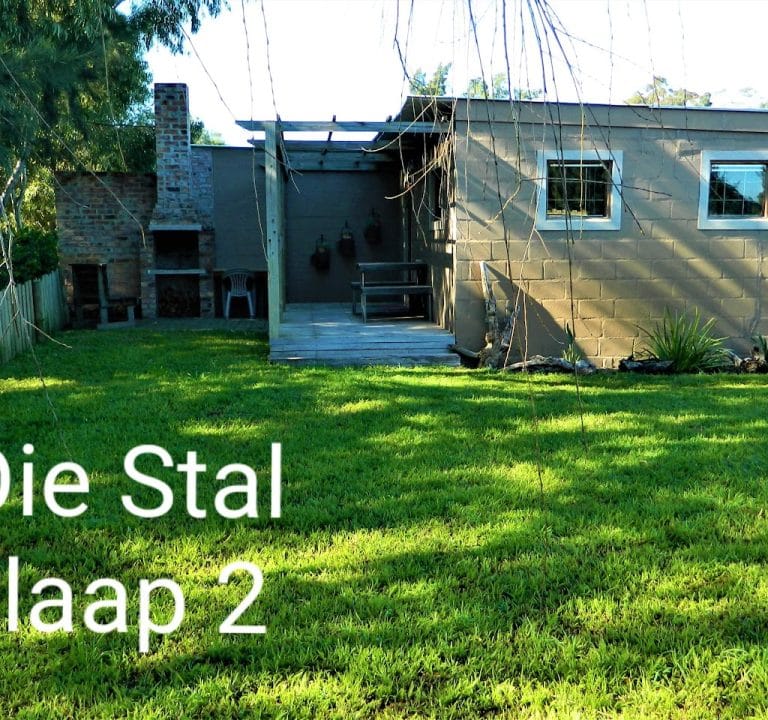
Accommodation in Klapmuts tends to cluster around self-catering cottages, small guesthouses and family-run B&Bs. Typical amenities include private entrances or verandas, fully equipped kitchens or kitchenette facilities, free Wi‑Fi, and parking on site. Some properties offer outdoor spaces such as patios, braai (barbecue) areas, or shared gardens, which can be a real asset for travellers with a flexible schedule or families. When evaluating options, check the listing for the presence of essentials such as secure parking, reliable hot water, effective heating or cooling, and clear access routes for luggage. If you are travelling with children or pets, ensure the property explicitly welcomes them and note any restrictions or additional fees.
Booking considerations are important in the winelands belt where seasonal demand can rise around harvest times and public holidays. Look for properties with transparent cancellation terms and a clear housekeeping schedule, especially for self-catering stays. Read recent guest reviews to gauge how well the host communicates, how accurate the listing description is, and whether the property genuinely delivers what it promises in terms of space and privacy. It is worth confirming the check-in process in advance, including arrival times, access codes or key collection arrangements, and whether staff are on-site for help should you need it during your stay.
Transport in and around Klapmuts is typically car-reliant. The proximity to the N1 makes self-drive holidays straightforward, with easy day trips to nearby towns, wine estates, and nature reserves. If you prefer not to hire a car, check whether your accommodation offers airport or town transfers, or whether there are reliable ride-hailing options in the area. For travellers who enjoy cycling or modest walking, ask about secure storage for bicycles and easy routes to scenic viewpoints. Remember that rural roads can be uneven or poorly lit after dark, so plan your evening trips with safety in mind.
Best time to visit Klapmuts aligns with the Western Cape’s dual appeal of warm summers and mild winters. Spring (September to November) brings flowering landscapes and pleasant temperatures, ideal for outdoor exploration and winery visits. Summer (December to February) can be sunny and bustling, when vineyard tours and outdoor markets flourish. Autumn (March to May) offers cooler days with dramatic scenery as the vines change colour. Winter (June to August) is generally cooler and wetter but still a good time to explore museums and indoor dining, with fewer crowds. Be prepared for occasional weather shifts, particularly in the shoulder seasons, and pack layers for day-to-night temperature changes.
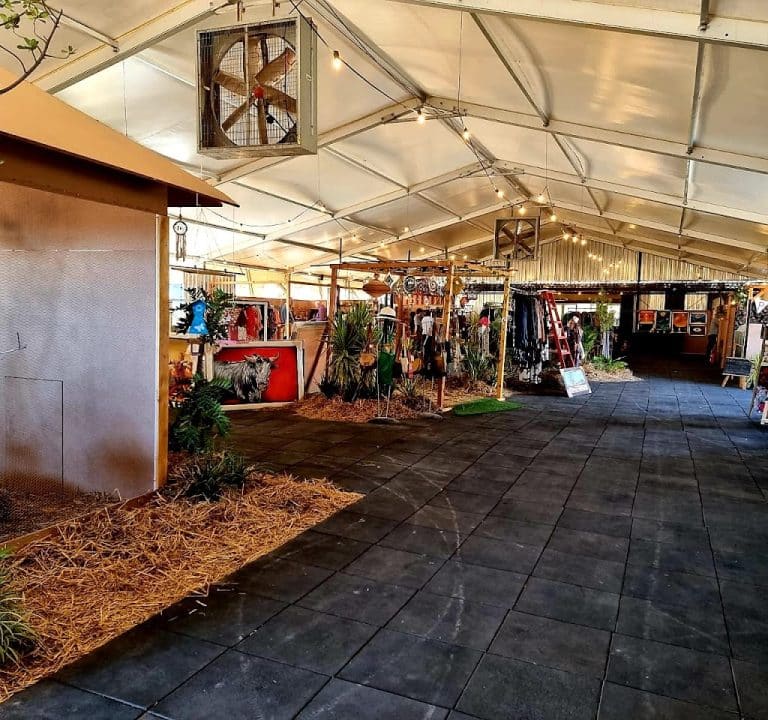
When it comes to planning activities, Klapmuts serves as a gateway rather than a single destination. Visitors often use it as a convenient base to explore the surrounding wine routes, dam and reservoir walks, and scenic drives through rolling farmland. In town, expect a warm, rural atmosphere with farm stalls, cosy cafés, and local eateries that prioritise seasonal produce and regional flavours. While specific venue names and prices fluctuate, a thoughtful plan usually includes a balance of paid experiences (such as guided vineyard tours or harvest events) and free activities (like countryside walks or sunset viewpoints). If you prefer a structured pace, consider arranging a day trip that combines a winery visit with a stroll through a nearby historic town and a relaxed lunch at a farm restaurant.
Practical tips for a smooth stay:
- Confirm what is included in your self-catering accommodation (fresh towels, bedding, kitchen basics, laundry facilities) and what you should bring with you (coffee, condiments, cooking oils, or sunblock).
- Ask about secluded outdoor spaces, lighting for evenings, and security measures for peace of mind after dark.
- Plan your daily driving routes in advance to maximise time and limit backtracking between farms and towns.
- Budget for a mix of experiences: some days you may prefer a quiet day at the property, others a gentle township stroll or a winery lunch.
- Check transport options ahead of time, particularly if you plan to visit remote estates or nature reserves during off-peak hours.
For visitors seeking a flexible, home-from-home experience, Klapmuts offers a practical base with easy access to the broader Winelands and Cape Town’s coastal sights. With thoughtful planning around area choices, booking practices, and transport arrangements, stays in this part of the Western Cape can be relaxed, rewarding, and well suited to both solo travellers and families alike. For further information and ideas on where to stay and how to plan your itinerary, you may wish to explore regional tourism resources or official visitor guides online.